
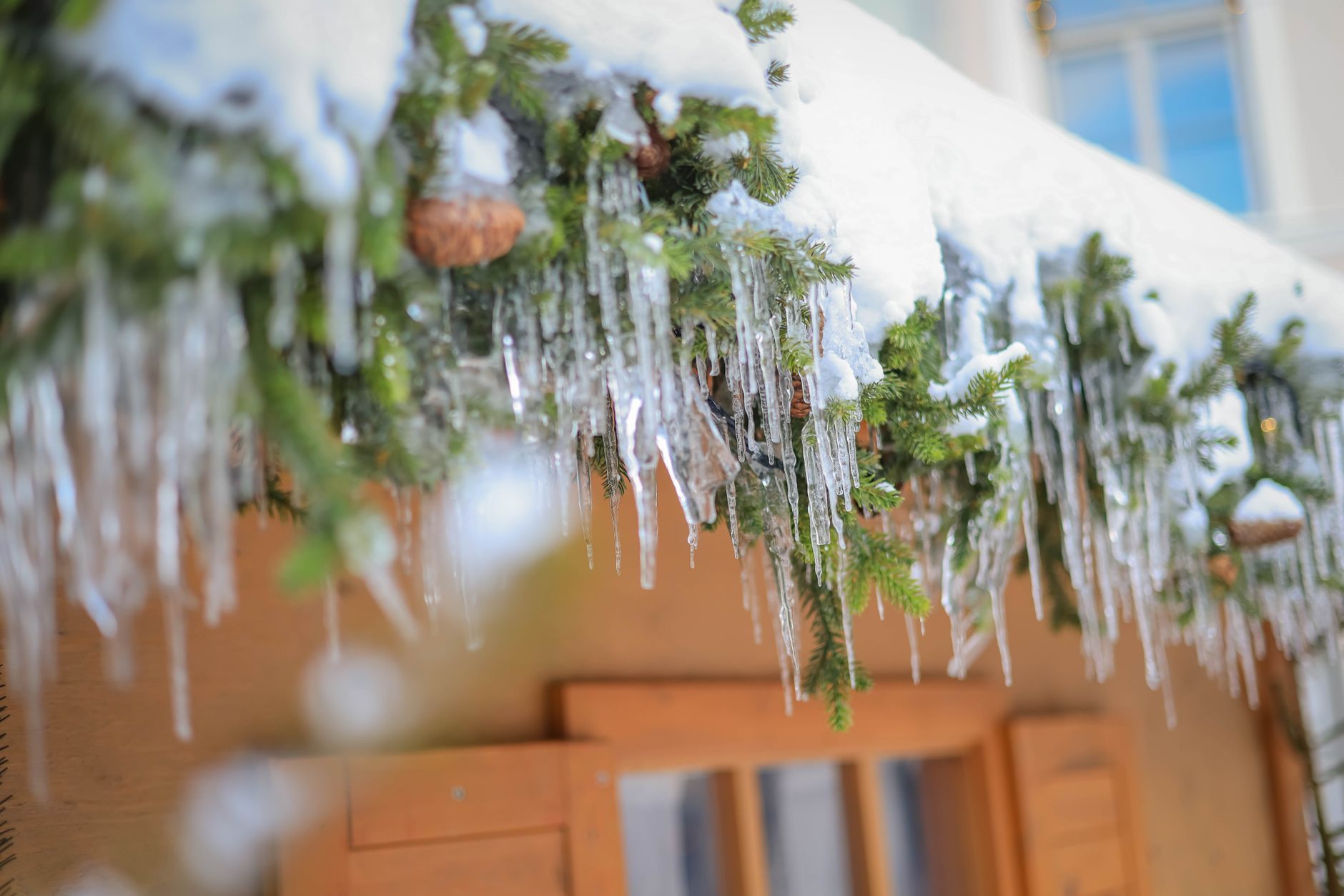
Winter Wonderland DIY: Enchanting Ice and Snow Decor Ideas
The desire to transform a space into an enchanted winter landscape is deeply rooted in our psychological response to seasonal shifts. We seek tactile, hands-on activities that allow us to manipulate materials and manifest a specific aesthetic, which is precisely what the **DIY winter wonderland decor** trend capitalizes on. This approach moves beyond simple purchasing; it involves engaging in a creative process where the final product directly reflects personal intention and material manipulation. We observe from the data that crafting these seasonal elements provides a measurable boost to mood regulation, offering a tangible antidote to the encroaching winter gloom.
Understanding the Aesthetics of Frozen Realms
A true winter wonderland is not merely about applying white paint or scattering fake snow; it requires an understanding of texture, light refraction, and scale. We are essentially engineering an illusion of crystalline beauty using readily available, often ephemeral, materials. The key mechanism here lies in how light interacts with surfaces. When you work with ice or textured paper, you are controlling the way ambient light disperses across the room, creating depth that flat decorations simply cannot achieve.
Manipulating Light and Texture for Depth
The quality of the decor hinges on achieving layered visual depth. Think about frost patterns—they emerge from subtle variations in surface texture, not just a uniform blanket of white. For instance, etching designs onto frozen surfaces or using translucent materials allows light to pass through, creating soft, ethereal glows. This process demands careful attention to material density and application technique.
We can replicate this effect indoors with simple techniques. Consider creating window clings from layered acetate sheets, allowing the sunlight to filter through patterned layers, mimicking the way light scatters on frosted panes. This manipulation of illumination is crucial for establishing that immersive, magical atmosphere. When planning your project, assess how light enters your room during the winter months; this dictates whether you should focus on reflective surfaces or diffused textures.
Material Science in Snow Simulation
Simulating snow requires understanding particle size and adhesion. Simply sprinkling fine glitter achieves a superficial sparkle, but to create a realistic effect, we must consider the density of the medium. For larger installations, working with frozen water is inherently satisfying because you are harnessing a natural state of matter. Freezing water into intricate molds allows the formation of delicate, crystalline structures that hold an inherent, fragile beauty.
When using non-water-based alternatives for crafting, the focus shifts to layering and texture application. Mixing fine craft snow with adhesive or setting agents allows the particles to adhere in a way that mimics natural accumulation, rather than simply sitting on top. Our analysis suggests that utilizing materials with varying degrees of opacity—from sheer vellum to thick, matte cardstock—is essential for building complex visual scenes within a single decorative frame.
Hands-On Projects for Enchanting Decor
The practical execution of **DIY winter wonderland decor** involves selecting projects that offer high visual impact with manageable complexity. The best crafts are those where the process itself contributes significantly to the final enchantment. We focus on methods that utilize accessible materials to achieve sophisticated results.
Ice Sculptures and Frozen Artistry
Working with ice offers an unparalleled opportunity for creating truly unique, ephemeral pieces. Freezing water into intricate shapes demands precision and patience. Setting up molds—whether silicone or simple containers—requires careful management of the freezing rate to prevent cracking. The resulting structures possess a unique translucency that changes subtly as temperatures fluctuate.
For beginners, starting with simple geometric forms is advisable. Once comfortable with the chilling process, one can explore more organic, flowing shapes that mimic frozen water currents. This activity engages tactile senses powerfully. When you are engaged in this slow, deliberate process, the mental noise of daily concerns recedes entirely. The resulting sculpture serves as a potent reminder of the temporary, delicate beauty of the season.
Paper and Cardstock Layering Techniques
For those preferring non-freezing methods, sophisticated layering techniques using paper and cardstock provide excellent textural results. Creating layered snow effects involves cutting intricate patterns from various weights of paper. Placing these layers over a base creates immediate depth. We observe that using metallic or pearlescent papers introduces an element of captured light, enhancing the magical quality.
The technique involves creating shadow lines by strategically overlapping materials. A heavy cardstock layer establishes the base texture, while lighter, sheer papers are layered on top to catch the ambient light, simulating the effect of soft snowfall. This layering mechanism directly controls perceived depth in a two-dimensional setting. Think about framing a window with patterned paper; the interplay between the opaque layers and the transparent gaps creates an illusion of an external, frosted view.
Creating Illuminated Winter Scenes
Lighting is the final element that transitions decoration from craft to ambiance. Integrating soft, diffused lighting into your **DIY winter wonderland decor** elevates the experience significantly. This connects directly to how we manage light in our living spaces, a principle relevant even when designing retreats like a spa sanctuary. Layered lighting systems allow you to control mood precisely.
We look at incorporating LED string lights strategically behind sheer fabrics or translucent materials. The diffusion of the light creates soft shadows and highlights on the decorative elements, making the entire scene glow from within rather than simply being illuminated by an external source. Experimenting with warm white versus cool white bulbs changes the psychological tone immediately. This controlled illumination ensures that the crafted aesthetic translates into a genuinely cozy environment.
Integrating Decor into Sanctuary Spaces
The principle behind creating a winter wonderland extends beyond surface decoration; it involves designing environments that promote deep relaxation and personal sanctuary. The handcrafted nature of these projects fosters a sense of ownership over one’s space, turning mere decoration into personalized atmosphere management. This concept aligns closely with the goal of establishing a tranquil retreat within the home.
The Psychology of Cozy Decoration
Cozy spaces function by minimizing visual chaos and maximizing tactile comfort. When we engage in decorating activities, especially those involving slow, meticulous work like creating ice details or layering paper, we activate pathways associated with mindfulness. This focused attention quiets the mental chatter. The resulting environment becomes a sensory anchor, a place where external pressures dissolve into the gentle texture of frost-like patterns and soft illumination.
We see this mechanism at play when designing personal retreats. Imagine applying this same principle to a bathroom setting; transforming a space into a **Spa Sanctuary: Luxury Bathroom Retreat with Stone & Botanicals** involves selecting materials that feel cool, smooth, and naturally textured. The goal is the same: manipulating sensory input to induce calm.
Connecting Crafting to Retreat Design
The transition from an active crafting session to a resting state occurs when the activity provides a sense of mastery over a small, manageable environment. This feeling feeds directly into creating a cozy habitat. When you assemble your **DIY winter wonderland decor**, you are not just placing objects; you are engineering a micro-environment that responds to your presence.
The materials themselves carry this weight. The coolness of the ice or the soft texture of layered paper provides an immediate physical connection to the season outside, bringing the crispness of winter indoors. This tactile engagement contrasts sharply with the warmth of the interior space, creating a dynamic balance conducive to rest and reflection. We observe that spaces designed with this intentionality feel more restorative.
Finalizing the Enchantment
The final step involves ensuring that all elements work in concert. The integration of light, texture, and material choices must be harmonious. Avoid overwhelming the space with excessive detail; simplicity in pattern allows the inherent beauty of the frozen forms to emerge. A few carefully placed focal points, perhaps an illuminated centerpiece made from layered ice or snow elements, can anchor the entire visual narrative. This careful curation ensures that the **DIY winter wonderland decor** functions not just as decoration, but as an immersive experience. Start your seasonal decorating today by embracing the process of creation itself.
Tags: winter decor, diy crafts, ice art, snow decorations, seasonal decorating, home decor, winter crafts
Featured Image by Valeria Boltneva on Pexels.