
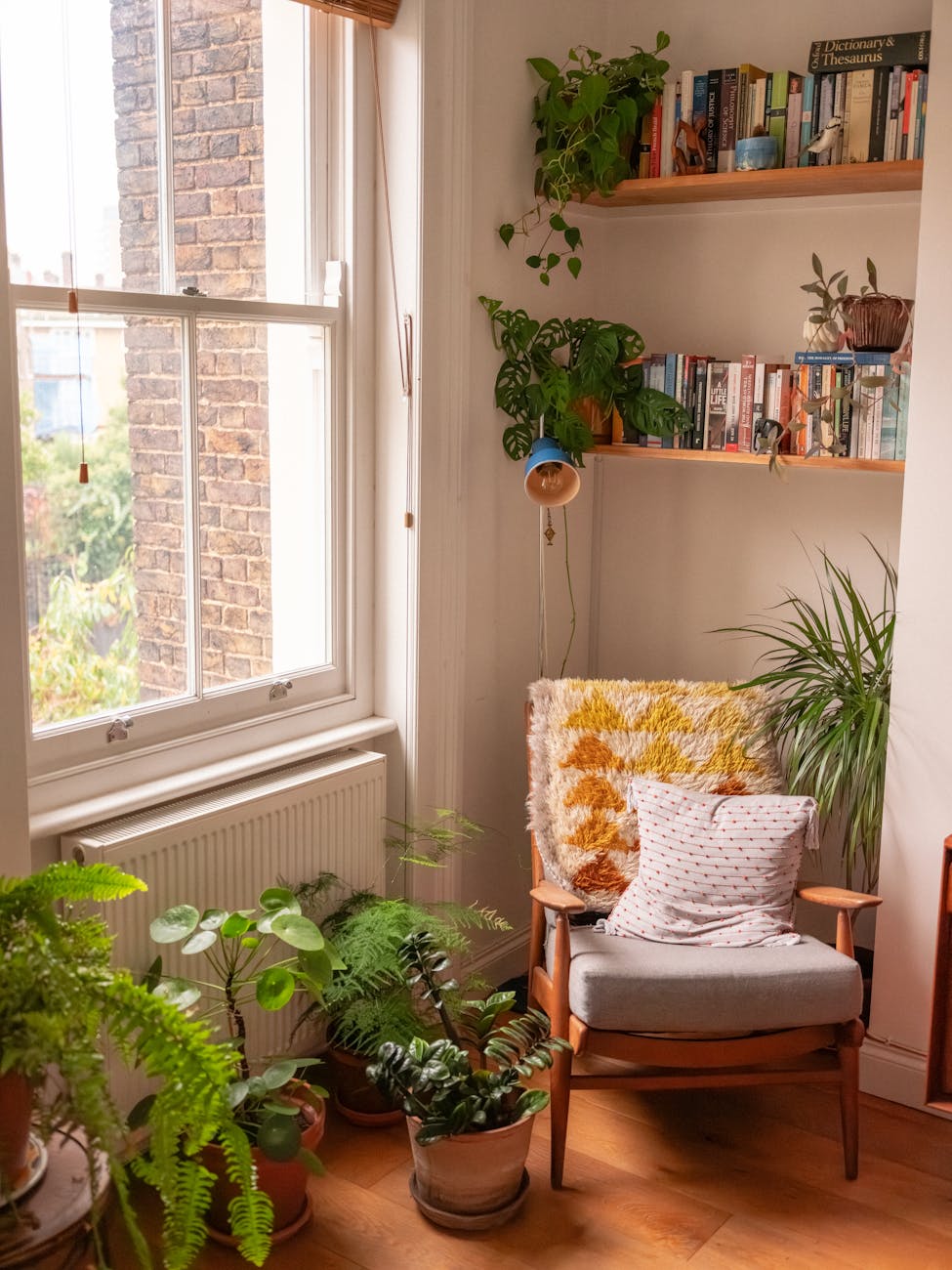
Engineering Atmosphere: The Science Behind Cozy Living Room Corners
We often treat a living room as a single, monolithic space, but true domestic comfort emerges at the intersection of specific architectural zones. We observe that the design of individual areas, those intimate nooks and corners, dictates the psychological experience of the entire room far more than the placement of large furniture pieces does. Creating **cozy living room corners** is not about aesthetic placement; it involves manipulating sensory input to trigger relaxation responses in the observer. This process requires understanding how light, texture, and spatial geometry interact with human physiology.
The mechanism at play here is sensory immersion. When we settle into a corner, our visual field narrows, focusing attention on immediate tactile and auditory stimuli. We are actively seeking environments that signal safety and decompression. A poorly defined corner can feel restrictive; a well-designed one functions as a sanctuary. Our analysis suggests that maximizing the perceived coziness relies on controlling these specific sensory inputs with precision engineering.
Mapping the Sensory Inputs of an Intimate Nook
To effectively design these spaces, we must analyze the three primary sensory channels: sight, touch, and sound. Each channel contributes a distinct layer to the overall feeling of coziness. Ignoring any one variable results in an unbalanced experience.
The Role of Tactile Richness in Corner Design
Touch is perhaps the most potent modulator of coziness. We cannot rely solely on visual cues; the physical interaction with the environment must be inviting. Think about how fabric density and surface texture affect our perceived warmth. A smooth, cold surface signals detachment; a richly textured material signals invitation. When designing a **cozy living room corner**, we need to introduce tactile variation deliberately.
We see this principle repeatedly when layering materials. Imagine placing a thick, chunky knit throw against a backdrop of smooth velvet. The juxtaposition creates visual and tactile tension that engages the senses fully. This interaction moves beyond mere decoration; it becomes an active invitation for physical presence. We find that incorporating diverse textiles is crucial for achieving this depth. For instance, exploring how different weaves and yarns interact can profoundly alter the ambient feeling. Consider examining the principles detailed in [Textural Tales: Layering Fabrics for Ultimate Cozy Ambiance](https://decorandliving.com/layered-textiles-cozy-ambiance/). The density of the material directly correlates with the perceived insulation, whether literal or emotional.
Manipulating Light and Shadow Dynamics
Light is a powerful tool for sculpting mood within a confined space. In a corner, natural light often pools unevenly throughout the day, creating dynamic shadows that evolve with the sun’s path. We leverage this phenomenon to define boundaries and enhance intimacy. Harsh, direct illumination tends to flatten textures and introduce visual stress. Conversely, soft, diffused light allows textures to reveal their depth and invites a slower pace of engagement.
We observe that indirect lighting is superior for creating cozy zones. Using floor lamps with warm color temperatures—around 2700 Kelvin—effectively signals rest. Shadows are not empty spaces; they become weighted areas, grounding the visual experience. By strategically placing light sources to graze textured surfaces, we emphasize their dimensionality. This manipulation of light and shadow anchors the corner, making it feel more contained and therefore safer for relaxation.
Architectural Strategies for Corner Definition
Defining the physical space is the first step in establishing a psychological one. Corners, by nature, are transitional zones where boundaries meet. We must engineer these transitions to feel intentional rather than abrupt.
Creating Visual Anchors Through Furniture Placement
The way furniture occupies a corner dictates its function. A corner occupied only by empty space feels awkward and unfinished. The goal is to define an intimate zone that encourages settling in. This often involves using oversized or deeply upholstered elements as anchors. A large, curved armchair positioned snugly into a nook acts as a physical magnet, drawing the eye inward.
We analyze how scale influences perception. Large objects impose a sense of presence, which paradoxically enhances intimacy when used correctly. Avoid sharp, hard angles where possible. Softening the geometry allows the eye to rest and encourages lingering. This deliberate placement ensures that the **cozy living room corners** serve their intended purpose: deep relaxation.
Integrating Functional Elements Seamlessly
Cozy design must integrate utility without compromising ambiance. Functionality should emerge from the design rather than imposing itself upon it. Think about incorporating shelving or reading nooks into these spaces. A built-in, recessed shelf carved into the corner feels inherently more integrated than an added freestanding unit. This seamless integration minimizes visual clutter, allowing the focus to remain on the textures and light play.
When incorporating elements like floor cushions or poufs, their placement should be strategic. They function as soft interruptions to hard lines. They invite the body to adjust its posture, signaling that the space is designed for lounging, not just passing through. We see a strong correlation between the availability of these flexible seating options and the observed level of relaxation within the area.
Auditory Comfort: The Unsung Element of Coziness
The sensory experience extends beyond what we see and touch; sound plays a critical role in establishing deep comfort. Noise pollution fractures concentration, immediately negating any attempt at relaxation. Therefore, managing the acoustic environment is an essential component of designing truly cozy spaces.
Ambient soundscapes act as a psychological blanket. Introducing subtle, low-frequency sounds or gentle background music signals safety to the nervous system. We are not aiming for auditory stimulation; we are aiming for sonic insulation. The quality of the sound material itself matters immensely. Soft furnishings absorb echo and dampen intrusive external noises, creating an acoustically richer, calmer environment inside the corner.
We find that dense textiles naturally function as sound dampeners. This effect is amplified when fabrics are layered thickly against walls or against large furniture forms. When designing your space, consider how these materials will interact with ambient noise. Creating a cocoon of soft material effectively filters out the harshness of the outside world. This concept links directly to the tactile focus we discussed earlier; the physical softness translates into acoustic quietude.
Final Synthesis: Achieving Peak Relaxation Potential
Designing for coziness is an exercise in applied sensory psychology. It requires moving past superficial decoration and engaging with the underlying mechanics of human perception. We are not simply arranging objects; we are engineering an environment where the nervous system can downshift from alert to relaxed mode.
The successful creation of **cozy living room corners** stems from balancing these elements: utilizing rich, layered textures for tactile satisfaction, employing soft, diffused light to manipulate mood, defining the space through intentional furniture anchoring, and managing auditory input for sonic peace. When these components work in concert, they create a retreat. This is where aesthetic choices transition into tangible psychological benefits. We observe that spaces engineered this way facilitate deeper rest, allowing occupants to fully engage with the restorative potential of their environment. Start experimenting with these principles today; you will begin to design sanctuaries.
Tags: cozy home decor, living room design, nook ideas, cozy spaces, home relaxation, interior design tips, small space decor
Featured Image by Alec Doualetas on Pexels.