
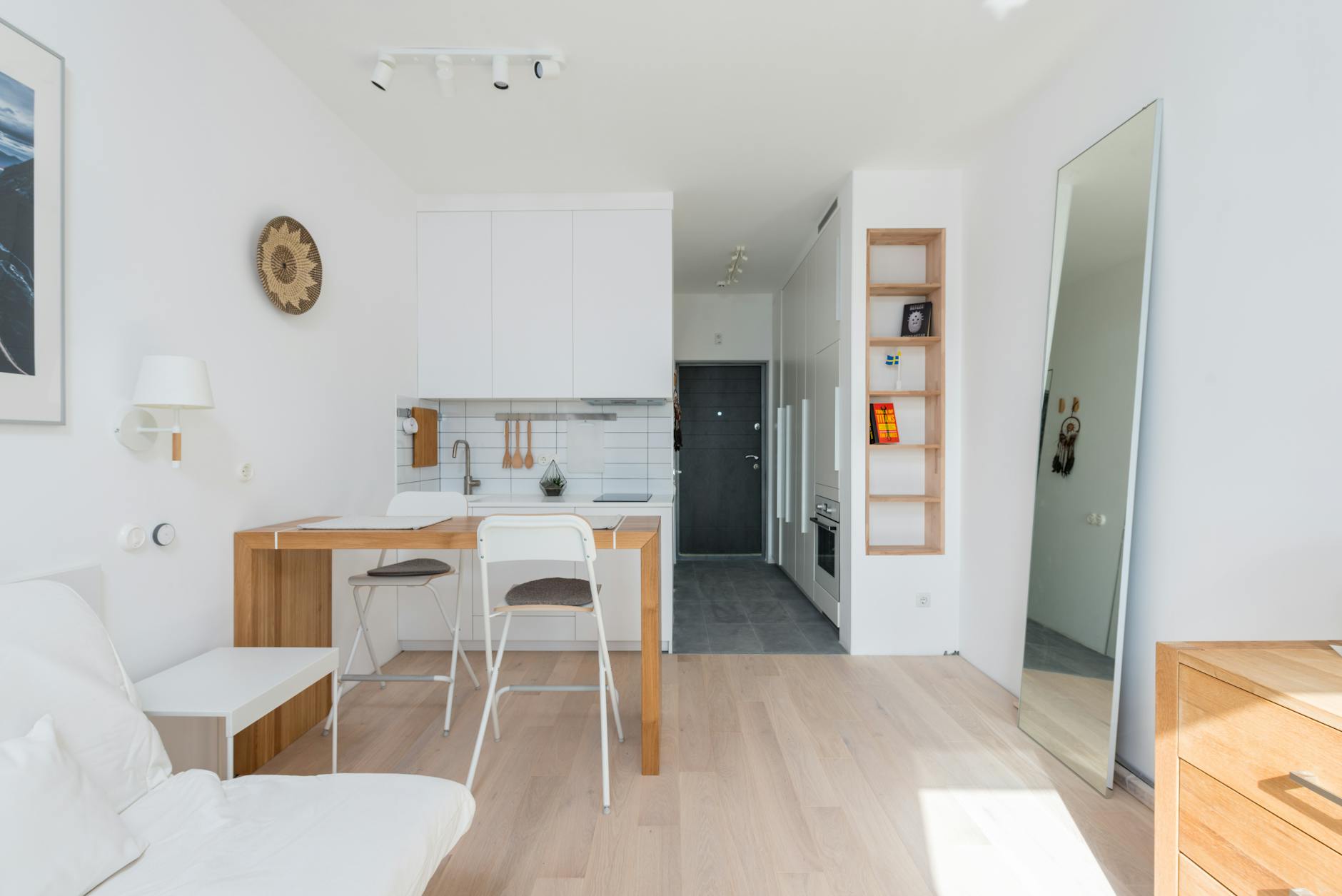
Vertical Magic: Storage & Cozy Style in Tiny Apartments
The constraint of limited square footage fundamentally shifts how we approach interior design in compact living spaces. When floor area becomes a scarce resource, the solution moves from horizontal sprawl to vertical maximization. We observe that implementing smart vertical storage systems is not merely an organizational tactic; it becomes the primary mechanism for transforming restrictive small space storage into functional and aesthetically pleasing environments. This strategy addresses the inherent geometry of tiny apartments by utilizing unused vertical real estate.
Deconstructing Spatial Constraints: The Geometry of Small Spaces
Understanding how objects occupy three-dimensional space dictates the most effective design intervention. In confined areas, the walls cease being mere boundaries; they become active surfaces for utility. We are dealing with a problem of volumetric efficiency. Traditional furniture often consumes valuable floor space, creating visual clutter and impeding flow. Vertical solutions bypass this limitation by engaging the wall plane, effectively multiplying storage capacity without encroaching on the usable living area.
The psychological impact of this spatial manipulation is significant. When surfaces are utilized efficiently, the visual field opens up, reducing perceived density. This transition from a cluttered floor plan to an organized vertical system directly impacts the sense of calm we cultivate in our homes. We are manipulating perception to create expansiveness where physical space is inherently limited.
Maximizing Wall Real Estate for Storage Implementation
The walls of a small apartment present an untapped resource, particularly when considering the height available. Installing shelving or custom cabinetry effectively converts dead wall space into active storage zones. This process requires careful calculation regarding load-bearing capacity and material selection to ensure structural integrity over time. We must assess the structural properties before committing to heavy-duty solutions.
For instance, choosing modular systems allows for incremental installation, adapting the storage solution precisely to the dimensions of the room without compromising the overall aesthetic coherence. We look at the relationship between the item being stored and the wall surface itself. A well-designed vertical unit should integrate seamlessly with the existing décor rather than appearing as an imposed afterthought.
Vertical Storage Solutions: Mechanisms for Optimization
The selection of vertical storage mechanisms determines the success of optimizing **small space storage**. Different systems operate on distinct principles of spatial utilization, each offering a unique trade-off between capacity, accessibility, and visual impact. We analyze these methods based on how they manipulate volume.
Floating Shelves: Aesthetic and Functional Integration
Floating shelves represent an excellent entry point into vertical organization. They achieve their effect by suspending storage directly from the wall, creating the illusion that the shelf is a freestanding architectural element rather than merely an attached fixture. This method minimizes the visual weight of the shelving unit itself, which is crucial in visually delicate small spaces.
When installing these, consider the depth and placement relative to focal points. Placing shelves above doorways or in less-trafficked areas allows for deeper storage configurations while maintaining an open sightline. We observe that utilizing lighter materials, such as wood or thin metal, reinforces this effect of visual lightness. This strategy supports the overall cozy aesthetic by keeping surfaces uncluttered.
Custom Built-ins: Achieving Seamless Integration
For truly optimized **small space storage**, custom built-ins provide the highest level of volumetric efficiency. These solutions involve designing and constructing cabinetry that conforms exactly to the idiosyncrasies of the room’s dimensions, eliminating wasted space inherent in off-the-shelf products. The mechanism here is precise dimensional matching.
When designing these systems, we must account for the depth required for specific items, such as books or decorative objects, ensuring that every inch of potential volume is accounted for. This approach moves beyond simple hanging and into integrated architectural design. It transforms storage from an external addition into an intrinsic feature of the apartment’s structure.
Open vs. Closed Systems: Balancing Visibility and Security
A critical analytical choice in vertical organization involves balancing open access with concealed storage. Open shelving maximizes visual accessibility; items are displayed, contributing directly to the cozy, curated atmosphere. Conversely, closed systems offer superior concealment for clutter, which is essential when maximizing **small space storage** where visual noise must be minimized.
Closed cabinets or drawers hide the functional necessities, reducing visual density significantly. This system allows the decorative elements—the textiles, the carefully chosen ceramics—to take center stage. We see that a strategic mix often proves most effective: open shelving for display and closed units for bulk organization.
Cultivating Atmosphere: Style Meets Functionality
The goal of integrating storage into a cozy environment is not just about capacity; it is about crafting an atmosphere of intentional comfort. The materials chosen for the vertical systems must resonate with the desired style, whether rustic, minimalist, or bohemian.
Materiality and Texture in Vertical Design
The texture of the shelving material directly influences the perceived coziness. Rough-hewn wood imparts a warm, organic feeling to the space. Matte finishes on metal components introduce an industrial softness. We analyze how surface quality affects the sensory experience of the room. A smooth, reflective surface can feel cold; a textured, matte surface invites touch and warmth.
This tactile consideration links directly into the broader concept of creating sanctuary within small confines. The visual experience is enhanced when every surface contributes to a feeling of settled comfort. Think about how this translates to other areas of the apartment; consider how you design cozy reading nooks for your bedroom, where layered textures invite lingering.
Lighting as an Organizing Tool
Lighting plays a pivotal role in accentuating vertical features. Strategic use of lighting can draw attention to carefully arranged shelves, highlighting the curated nature of the display. Layered lighting, implemented thoughtfully, provides ambiance while simultaneously illuminating stored items effectively. Observing how light interacts with shadows on textured walls and shelving reveals depth and dimension that flat lighting cannot achieve.
When designing these illuminated vignettes, we leverage principles from layered lighting to create pockets of warmth amidst the functional organization. This technique turns necessary storage into intentional focal points, enhancing the overall cozy décor.
Practical Application: Implementing Vertical Magic Today
Implementing vertical solutions requires a phased approach, moving from assessment to execution. First, conduct a full volumetric audit of the space, mapping out where the most pressing storage deficits exist. Second, select the appropriate system—whether it is simple floating shelves or complex custom built-ins—based on your budget and structural reality. Third, select materials that harmonize with your existing aesthetic.
We find that the initial investment in smart **small space storage** pays dividends in long-term spatial peace. Organizing vertically releases the visual pressure exerted by horizontal limitations. It repositions the focus from what is missing to what has been thoughtfully arranged. This transformation turns a cramped apartment into an intentional, beautifully organized sanctuary where every item serves a purpose while maintaining an undeniable sense of cozy style.
Tags: small space storage, apartment decor, vertical storage, tiny home design, cozy decor, small space living, space saving
Featured Image by Max Vakhtbovych on Pexels.