The Science of Sensory Elevation: Why Luxury Bath Textiles Matter
When we consider elevating a simple bathroom space into a true sanctuary, the focus shifts beyond mere aesthetics toward tactile experience. We are engaging the somatosensory system; how we interact with our environment directly influences our psychological state. This is precisely where high-quality materials in bath textiles exert their influence. These items are not simply coverings; they function as calibrated sensory inputs designed to modulate mood and perception through touch.
We observe that the material composition dictates the perceived luxury level. For instance, the density of the weave, the micron count of the fibers, and the finishing process all contribute directly to the tactile feedback delivered to the user’s skin. A low-pile, tightly woven cotton offers a different haptic experience compared to a high-loft, long-staple chenille. This difference in physical interaction is the mechanism through which we register comfort, and it is a quantifiable aspect of interior design.
Deconstructing Fiber Science for Superior Comfort
Understanding the material composition allows us to move past subjective preference toward informed selection. Natural fibers like Egyptian cotton or high-grade Turkish cotton offer exceptional softness due to their long staple length and superior yarn consistency. These fibers resist pilling better over time, maintaining a consistent luxurious surface texture with repeated use. Synthetic blends, while sometimes offering durability advantages, require careful assessment of the fiber content; poor quality synthetics can feel slick or develop an undesirable stiffness after laundering cycles.
The process of absorbing moisture also plays a critical role in the textile’s performance within a bathroom environment. High-quality materials manage water absorption effectively without feeling heavy or damp against the skin. This efficient wicking capability minimizes residual moisture, which prevents the clammy sensation often associated with lower-grade fabrics. When bath mats are designed with appropriate absorbency ratings, they manage excess liquid efficiently, creating a drier, more comfortable surface for standing or stepping.
The Impact of Texture on Psychological State
The visual appeal is only one component of the textile’s function; the tactile experience drives deeper psychological responses. Introducing plush towels and thick bath mats signals to the brain that the space is dedicated to relaxation. This association links the physical act of touching the fabric with the mental state of unwinding. We are essentially programming a Pavlovian response: soft surfaces trigger associations with safety, indulgence, and tranquility.
This concept extends beyond simple towel-drying. Imagine entering a space where every surface invites gentle contact. This creates an immediate sense of decompression. For those seeking an immersive retreat, integrating these elements becomes essential for achieving a true spa-like atmosphere. Consider how this sensory input complements other design choices; pairing plush textiles with natural wood and stone accents establishes a harmonious balance between organic warmth and clean structure, as seen in designs that incorporate Rustic Bathroom Decor: Natural Wood & Stone Accents.
Selecting the Right Textiles for Bathroom Functionality
Functionality must coexist seamlessly with luxury when selecting bath linens. A textile’s performance is defined by its intended use—whether it is for drying hands, absorbing water, or providing a surface for sitting. We must analyze the specific demands of different zones within the bathroom to select materials that perform optimally under these specific conditions.
Bath Mats: Grounding Comfort and Safety
Bath mats serve a critical role in managing the transition from wet to dry. The material choice here impacts both comfort and safety, particularly regarding slip resistance. A bath mat with a high coefficient of friction offers superior grip when wet, mitigating the risk of accidental slips. We analyze the weave structure and backing materials closely; synthetic rubberized backs or high-density woven fabrics often provide this necessary traction.
When selecting mats, we look at dimensions as well. Oversized mats allow for a more encompassing feeling, encouraging a slower, more deliberate pace when stepping onto the surface. The thickness of the mat directly correlates with the perceived softness and insulation provided underfoot. Thick, plush mats offer a substantial, comforting layer that contrasts beautifully against hard flooring, enhancing the overall sensory experience.
Towels: Mastering Absorbency and Drape
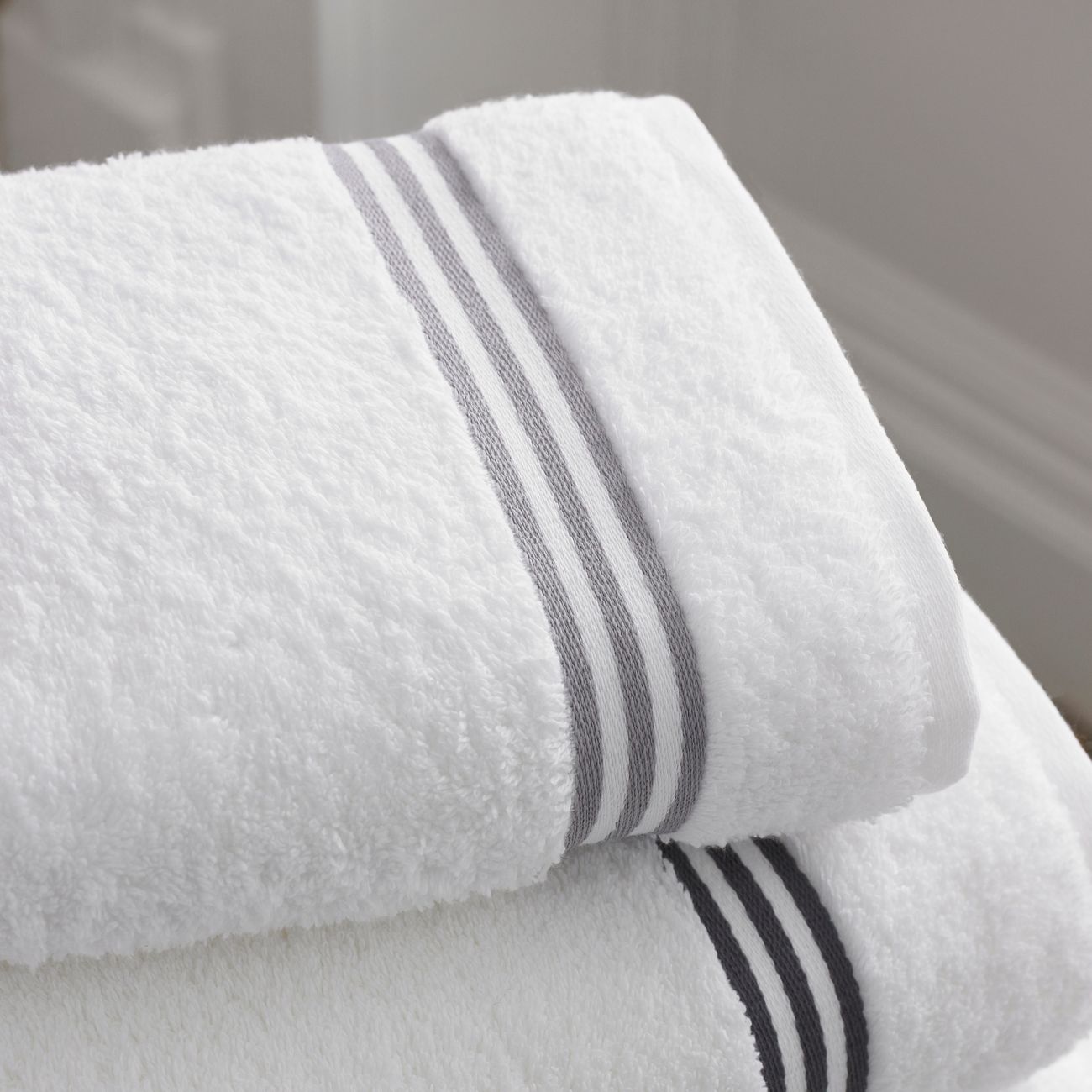
Towels are perhaps the most visible expression of bathroom luxury. Their performance hinges on thread count and GSM (Grams per Square Meter). Higher thread counts generally correlate with a finer, smoother surface, whereas the GSM dictates how much material is present; a higher GSM means greater absorbency capacity. For bath towels, we observe that a GSM in the range of 600 to 700 provides excellent balance—enough substance for plushness without excessive bulk.
The way a towel drapes also matters immensely. A poorly constructed towel will feel stiff and resist natural folds. High-quality yarns allow the fabric to drape fluidly, creating soft, inviting contours around the body. This smooth interaction enhances the feeling of indulgence; it is the gentle resistance against the skin that communicates quality. Think about how these textiles influence the overall mood; they transform a utilitarian space into an invitation for self-care.
Curating the Spa Atmosphere Through Textile Layering
Achieving a holistic spa atmosphere requires intentional layering of sensory elements. The selection of bath textiles must harmonize with the ambient lighting, the surrounding decor, and the overall architectural style of the room. This is not about placing expensive items; it is about establishing an unbroken chain of sensory experience where every touch contributes to the desired outcome.
The color palette plays a subtle but powerful role in this layering process. Soft, muted tones—creams, sage greens, pale blues, and warm grays—naturally enhance the feeling of calm and serenity. These colors act as visual anchors, reducing cognitive load. When paired with rich textures, these soft hues are amplified, creating an enveloping effect that feels deeply restorative.
We see this principle applied when designing areas intended for deep relaxation. Creating a dedicated Hygge Bathroom Reading Nook: Cozy Decor Ideas requires textiles that invite lingering. A thick, supremely soft throw blanket draped over a comfortable chair, combined with a plush bath mat nearby, establishes an immediate zone of coziness. The tactile invitation encourages users to slow down and engage more fully with the moment, fostering a sense of intentional pause amidst daily routines.
The integration strategy involves ensuring that the textiles are not merely decorative accents but functional components of the user’s experience. When these items are chosen for their quality—focusing on fiber integrity, weave density, and absorbency metrics—they function as silent communicators of luxury. They allow the mind to settle into a state of deep comfort simply by being present. The investment shifts from acquiring objects to curating an environment where physical sensation reinforces mental peace.
Tags: bath mats, plush towels, bathroom decor, luxury textiles, home spa, bathroom style, textile decor
Featured Image by Thomas Cotton on Pexels.