
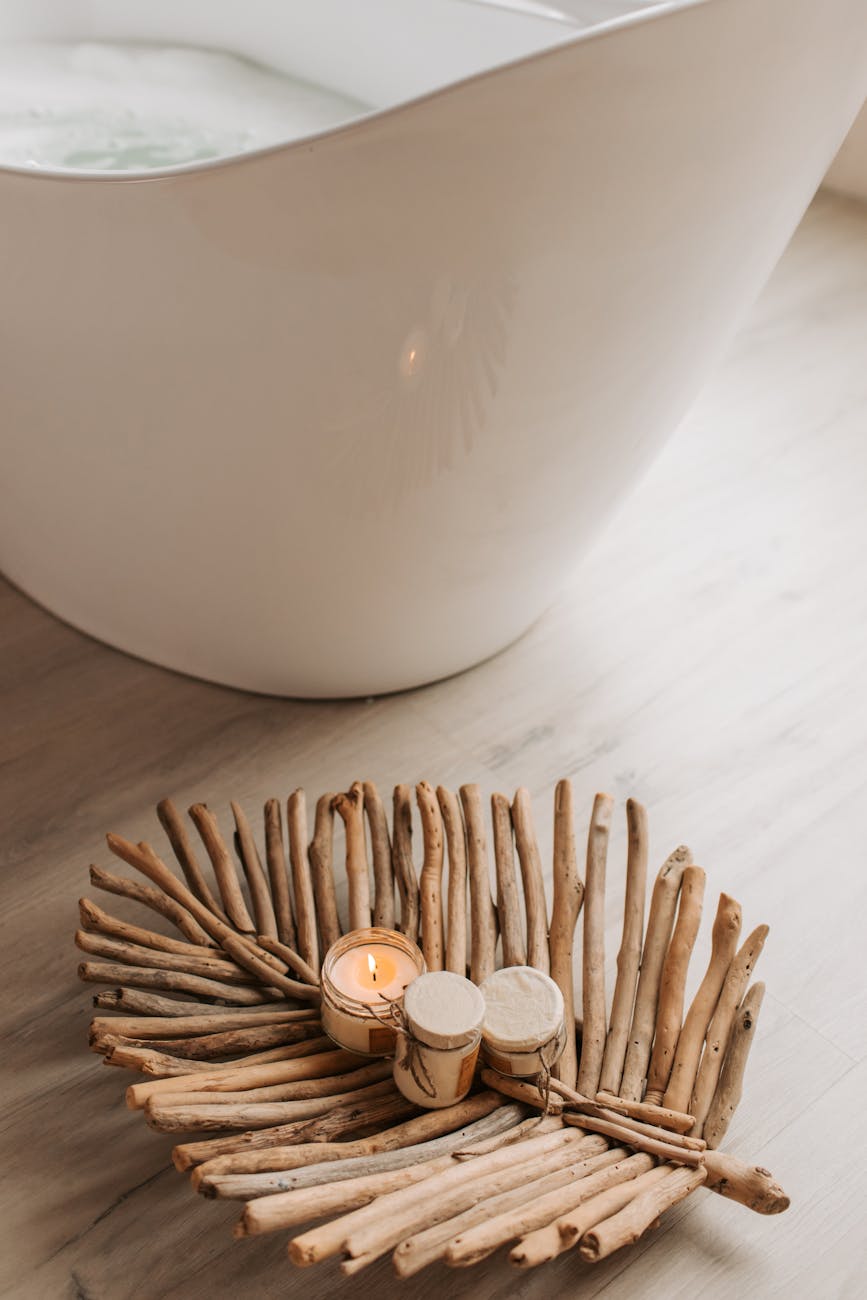
The Science of Sensory Design in Bathroom Spaces
When we approach bathroom design through a spa lens, we are not merely selecting aesthetics; we are engineering an environmental experience. The goal shifts from functional sanitation to holistic sensory engagement. We observe that the psychological impact of a space is directly proportional to the intentionality behind its material selection and atmospheric control. A true sanctuary operates by systematically mitigating sensory input that causes cognitive friction, allowing the occupant’s nervous system to downshift into a state of deep relaxation. This process requires understanding how texture, light, and acoustics interact with human physiology.
The transition from a sterile, utilitarian space to a therapeutic retreat hinges on manipulating these physical variables. Consider the tactile experience. Hard, cold surfaces transmit a sense of rigidity and alertness. Conversely, introducing natural textiles directly alters the sensory profile. Rough-hewn wood, thick, looped bath mats, or plush, high-pile towels introduce an organic counterpoint to the hard ceramic and glass. This textural contrast engages the somatosensory cortex in a way that mimics the grounding effect of natural environments. We move beyond simple decoration; we are applying principles of haptic design.
Mastering Material Selection for Tactile Richness
The choice of materials dictates the immediate physical feedback received by the user. Stone, polished concrete, and smooth glass offer an impermeable feel. To achieve spa-like serenity, these elements must be balanced by introducing organic materiality throughout the room. Natural fibers absorb sound waves and provide a comforting surface quality that signals safety and softness. We see this principle repeatedly across design disciplines.
For example, selecting matte finishes over high-gloss surfaces reduces visual agitation; the light diffuses gently rather than reflecting harshly. This modulation of reflected light directly impacts mood regulation. The subtle variations in tone within natural materials—the grain in reclaimed wood or the uneven weave of linen—provide visual complexity that the human eye processes as rich and inviting, rather than flat and sterile. When designing a spa bathroom decor, we are essentially programming the environment to elicit parasympathetic response activation.
Illuminating the Space: The Mechanics of Soft Light
Lighting is arguably the most potent tool in transforming a space’s emotional register. Harsh, direct illumination signals activity and demands focus; it triggers cortisol release. True spa ambiance relies on layered, indirect lighting strategies. We aim for low-intensity sources distributed across multiple planes rather than relying on a single overhead fixture.
Warm color temperatures are non-negotiable. Light in the 2700K to 3000K range stimulates melatonin production, promoting the body’s natural inclination toward rest. Implementing dimmers allows users to modulate this intensity according to their immediate need, whether it is a bright functional moment or deep relaxation. Introducing indirect sources—LED strips concealed behind shelving or diffused light filtering through sheer linen—creates pools of gentle illumination that eliminate harsh shadows. This layered approach controls the visual hierarchy, guiding the eye toward areas of tranquility rather than exposing everything at once.
Acoustic Engineering for Tranquility
The auditory experience is often overlooked in bathroom design, yet it plays a critical role in creating an enveloping sense of calm. Uncontrolled reverberation and sharp echoes introduce auditory stress that works against relaxation protocols. Soundproofing functions not only to keep external noise out but also to manage internal sonic quality.
Hard, reflective surfaces amplify sound energy. To counteract this, strategic material placement becomes essential. Incorporating textiles, thick rugs (even bath mats), and acoustic panels breaks up these hard boundaries, absorbing incidental sounds and softening the overall auditory environment. When considering spaces where focus is paramount, such as a home office nook, understanding this acoustic principle becomes even more critical; one might explore how to design a cozy home office sanctuary by applying similar principles of sound absorption within a smaller footprint. The goal is to reduce intrusive noise while enhancing ambient, soothing sounds.
Integrating Natural Textures and Biophilic Elements
The connection between human well-being and nature suggests that incorporating natural elements directly taps into innate psychological responses. Biophilic design posits that humans have an intrinsic affinity for natural forms and processes; mimicking these elements in a bathroom context creates immediate psychological comfort. This integration moves beyond superficial decoration into functional sensory enrichment.
We achieve this by sourcing materials with demonstrable organic integrity. Think about stone tiling that mimics river stones, wooden vanities with visible grain patterns, or fixtures made from matte, unpolished metals. These elements provide visual texture that engages the eye organically. The presence of natural elements reduces the perceived artificiality of the constructed space, fostering a sense of rootedness. We observe that when an environment feels connected to the earth, the stress response naturally decreases.
Curating the Final Touches: Achieving Cohesion
Creating a cohesive spa bathroom decor involves synthesizing these sensory adjustments into a unified narrative. The process demands restraint; too many competing textures or light sources introduce visual noise rather than serenity. A successful design relies on intentional simplicity. We select a limited palette—often leaning toward muted, earthy tones—and allow the inherent qualities of the materials to carry the design weight.
Focusing attention on specific zones allows for deeper immersion. For instance, establishing a dedicated bathing area as the focal point, surrounded by complementary textures and soft light, creates an intentional retreat. When upgrading fixtures or accessories, examine their surface quality closely. A weighty, matte faucet feels more substantial and calming than a high-gloss chrome finish. This attention to detail elevates the experience from merely decorative to deeply therapeutic.
The result is not just a room decorated with spa items; it is a functional sanctuary where every element—the soft light, the textured textiles, the muted tones—is engineered to facilitate profound rest and rejuvenation.
Tags: spa bathroom decor, bathroom design, natural textures, cozy home, bathroom inspiration, soft lighting, bathroom makeover
Featured Image by Vlada Karpovich on Pexels.