
The Science of Tactility: Engineering Warmth Through Bathroom Textiles
We often associate bathroom decor with stark functionality; however, we are overlooking a critical opportunity to manipulate sensory experience within these confined spaces. Introducing soft textiles is not merely an aesthetic choice; it is a deliberate strategy for modulating the perceived temperature and tactile comfort of a room. When we select materials like plush towels or linen mats, we are engaging the somatosensory system directly. This engagement triggers neural responses that equate softness with safety and relaxation, effectively recalibrating the psychological state of the occupant immediately upon entering the space.
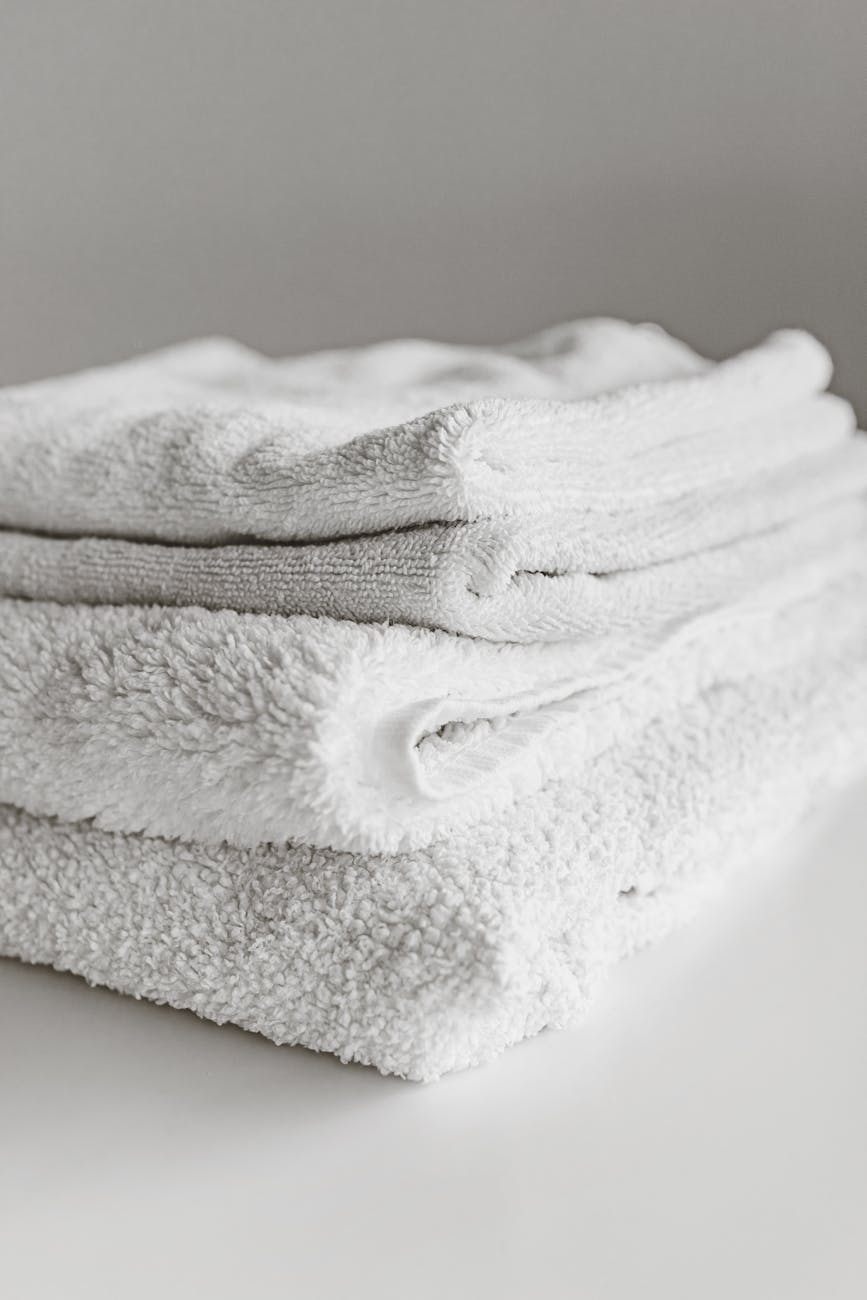
This process involves understanding material science. The physical texture—the density, pile length, and weave structure—determines how light interacts with the surface and how our skin registers contact. A high-pile, thick cotton towel traps air pockets, creating a sensation of enveloping warmth that counters the cooler ceramic surfaces often found in bathrooms. We observe that this tactile feedback bypasses purely visual processing, establishing an immediate, visceral sense of coziness.
Material Selection: Decoding Texture for Maximum Impact
The choice of textile dictates the success of creating a truly cozy bathroom vibe. We must move beyond simple notions of “softness” and analyze the physical properties of the fibers themselves. For instance, Egyptian or Pima cotton offers superior thread count and fiber length, resulting in a denser, more resilient hand-feel than lower-grade materials. This density ensures that the textile retains its shape and provides sustained warmth rather than feeling flimsy.
Linen introduces a distinct textural dimension. Its natural slubbing and subtle unevenness introduce an organic quality that contrasts beautifully with smooth tile or glass. The way linen drapes and wrinkles mimics natural, lived-in comfort, which is essential for achieving that sought-after relaxed atmosphere. When integrating these materials, consider how they interact with ambient light; matte finishes absorb light gently, enhancing the moodiness suitable for a retreat space.
Strategic Placement of Textiles
The placement strategy must be intentional to maximize the effect of these textural elements. A single bath mat placed on cool tile serves a purely functional role, drying feet. To transform it into an atmospheric feature, we need to employ strategic layering. Think about how textiles can frame functional areas. Drape a thick, plush towel over a towel bar instead of simply hanging it. This manipulation of volume creates soft visual anchors that interrupt the hard lines of the architecture.
Consider the area where water meets the floor or where one transitions from the shower to the vanity. Placing a thick linen runner along a bath mat elevates this transition point dramatically. The concept involves creating zones of softness within the hard-surface environment. This intentional layering mimics the effect seen when mastering depth in your living room; we layer rugs to define spaces, and here, we layer textiles to define sensory comfort zones.
Elevating Functionality with Textile Accessories
The utility of bathroom textiles extends beyond simple aesthetic enhancement into practical functionality. Consider bathrobes or vanity cloths. These items serve as transitional pieces that bridge the functional necessity of the space with the desired sense of luxury. A beautifully woven, thick cotton robe signals an invitation to slow down and indulge. We observe that when accessories share the same high-quality material palette, the overall impression shifts from utilitarian necessity to intentional design statement.
When investing in these elements, we are essentially upgrading the functional experience of the daily routine. Moving toward higher-end materials ensures longevity; these textiles resist pilling and maintain their plushness through repeated use, providing a sustained sense of luxury rather than a fleeting novelty. We see this correlation clearly when discussing luxurious bathroom upgrades: quality fibers translate directly into perceived value and lasting comfort.
Designing a Sensory Sanctuary Beyond the Shower
The bathroom is often the most overlooked space when aiming for a truly cozy home environment, yet its potential for sensory immersion is enormous. It is a private retreat where one can deliberately control the atmosphere. This requires treating the room as an extension of the living space, prioritizing ambiance over stark minimalism. The goal is to engineer an environment where every touch and glance contributes to deep relaxation.
Curtains and Window Treatments: Controlling Light and Atmosphere
Window treatments offer a profound mechanism for controlling light quality, which directly impacts how textiles are perceived. Heavy, lined curtains made from thick linen or velvet absorb harsh external light, filtering it into a soft, diffused glow that instantly feels more intimate. This dampens visual noise, allowing the tactile elements—the soft towels and mats—to take center stage without feeling overly exposed.
We look for fabrics with natural drape. Stiff, poorly draped materials create visual tension; soft textiles allow the light to flow softly over them. Imagine a sheer layer beneath heavier drapes; this interplay between translucent and opaque layers adds depth and complexity to the visual field, reinforcing the layered experience we seek in cozy design.
Integrating Textiles with Architectural Elements
The interaction between organic softness and rigid architecture creates compelling visual dynamics. Placing soft textiles against cool marble or painted walls establishes a necessary contrast that enhances the perceived warmth of the textile itself. This juxtaposition is key; the hardness of the stone makes the softness of the fabric more pronounced, amplifying the feeling of being enveloped in comfort.
Think about incorporating textiles into fixtures. A plush bath mat underfoot becomes an anchor point for the entire floor area, defining the “wet zone” as a luxurious space rather than just a functional one. When we consider broader design principles, understanding how to layer textures across different planes—floor, walls, and hanging items—is fundamental to achieving spatial coherence.
The Psychology of Routine and Comfort
Cozy living is rooted in the comfort derived from predictable, gentle sensory input. Establishing a routine where entering the bathroom triggers an immediate sense of softness supports this psychological state. When the materials feel good against the skin, the mind associates that sensation with rest and unwinding. This mechanism works because the body registers physical comfort as a signal to enter a relaxed state.
We are not just decorating surfaces; we are programming sensory responses. By selecting textiles that prioritize warmth and softness, we are actively engineering an environment conducive to stress reduction. This approach shifts the focus from mere decoration toward creating functional sanctuaries where daily routines become moments of indulgent reprieve. The investment in quality textiles becomes an investment in daily well-being.
Tags: bathroom decor, textile design, cozy home, bathroom textiles, soft decor, interior design, bathroom style
Featured Image by ROMAN ODINTSOV on Pexels.