
The Physics of Atmosphere: How Light Sculpting Creates Interior Coziness
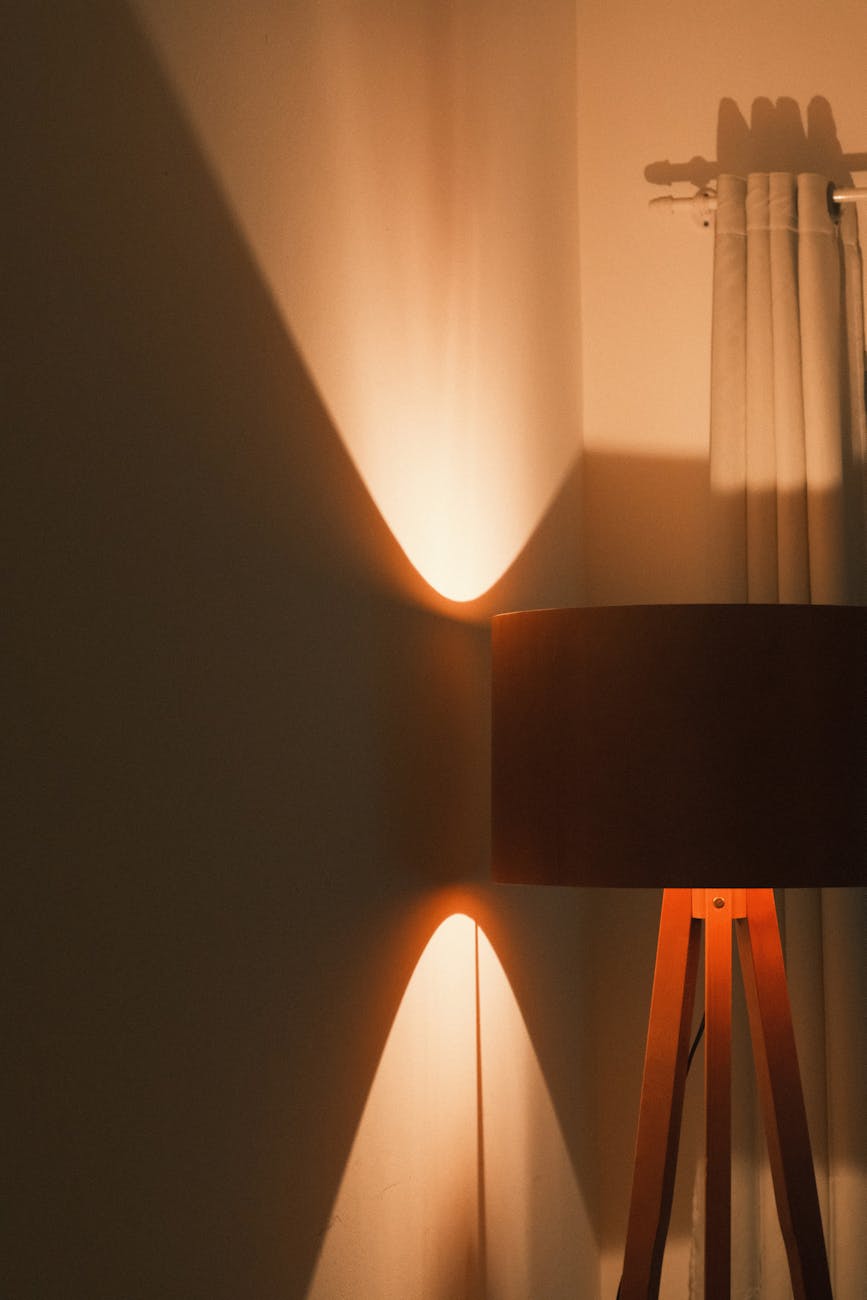
We often associate coziness with soft textures and warm blankets, but the true architect of a cozy atmosphere resides in how we manipulate light. Strategic lighting interior design is not merely about illumination; it is about controlling the visual narrative of a space by manipulating shadows and highlights across surfaces. Observe how light interacts with architectural features and decor; this interaction dictates mood far more powerfully than any single object placement. We are observing a fundamental physical process, translating into an emotional experience for the occupant.
The quality of light fundamentally alters perceived temperature. Light sources emit photons at specific wavelengths, which directly influence our physiological response. Warm-toned light, typically characterized by lower Kelvin values (around 2700K to 3000K), stimulates vasodilation, triggering feelings associated with relaxation and safety. Conversely, cooler, bluer light, exceeding 4000K, tends to stimulate alertness and focus. When designing cozy zones, we must intentionally deploy warmer spectral temperatures to signal rest. This intentional manipulation moves beyond simple illumination; it becomes an exercise in environmental psychology.
Deconstructing Light Interaction with Space Geometry
Shadows are not absences of light; they are tangible elements that define form and depth. A sharp shadow cast by a window frame or a hanging fixture introduces necessary contrast, preventing a space from feeling flat or monotonous. We use this phenomenon to delineate areas, segmenting a large room into intimate pockets. This process is the essence of creating defined zones within an open-plan environment.
Consider the effect on vertical surfaces. When light strikes a textured wall unevenly, subtle gradations appear, emphasizing the materiality of the surface. A flat, even wash of light diminishes this tactile quality immediately. By positioning accent lights—perhaps uplights or narrow-beam spotlights—we create dramatic interplay between illuminated areas and shadowed recesses. This layering is critical for sophisticated design.
Establishing Visual Hierarchy Through Shadow Play
The arrangement of shadows dictates where the eye travels within a room, establishing an unconscious visual hierarchy. We direct attention by manipulating contrast levels. Deep shadow areas recede visually, creating depth and intimacy. Brightly lit focal points draw immediate engagement. This intentional contrast guides the occupant toward the desired focal point within the space.
In practice, this means avoiding uniform ambient lighting. Instead, we introduce layers of light at different intensities and angles. Imagine a seating area where an overhead source provides general visibility, but strategically placed lamps cast pools of warm, directional light onto textiles or architectural details. This technique allows us to create distinct zones that feel separate yet connected. Think about how the subtle shift in shadow intensity defines a reading nook versus a conversational grouping.
Layering Illumination for Deep Comfort
Achieving true cozy ambiance requires more than simply turning on a light switch. It demands a deliberate, multi-layered approach to illumination. This process involves managing ambient light, task lighting, and accent lighting simultaneously. We observe from the data that effective layering ensures flexibility; spaces can shift their function depending on the time of day or the intended activity.
The foundation of this system is establishing appropriate ambient light levels. Ambient light should be low enough to encourage relaxation but sufficient for basic orientation. This typically means relying heavily on indirect sources rather than harsh overhead fixtures. Layered lighting for cozy homes relies on controlling the intensity across these different planes.
The Three Pillars of Intentional Lighting Design
We organize our lighting strategy around three functional components: ambient, task, and accent illumination. Each layer serves a distinct purpose in defining the spatial experience.
Ambient lighting provides the overall mood. It sets the baseline warmth or coolness for the entire area. Task lighting focuses light onto specific activities, such as reading or working. Accent lighting draws attention to architectural features, artwork, or textural elements. When these three systems are integrated smoothly, the result is a cohesive and deeply comforting environment.
For instance, when preparing a sanctuary space, ambient light might be kept very dim, perhaps utilizing dimmers set low on warm-toned bulbs. Task lighting would then be focused directly onto a book or a specific piece of decor. Accent lighting could highlight the texture of a throw blanket draped over a sofa, emphasizing its tactile invitation. This deliberate orchestration prevents any single element from dominating the visual field without context.
Textural Light and Materiality
The way light interacts with materials is intrinsically linked to coziness. Reflective surfaces bounce light widely; matte surfaces absorb it, creating soft transitions between light and shadow. Polished wood reflects light sharply, emphasizing grain and texture through high contrast shadows. Linen or velvet absorbs light softly, deepening the sense of enclosure when illuminated gently.
When designing spaces that invite relaxation, we must consider these material properties. If you are curating a space focused on warmth, selecting materials with matte finishes allows shadows to play across them, enhancing their tactile depth. This is why exploring how light interacts with textures becomes essential; it transforms an empty room into a richly dimensional environment. For example, examining how light interacts with soft textiles reveals the depth of comfort they offer. If you are focusing on creating a sanctuary space, consider integrating these principles when selecting materials, perhaps looking at concepts like Hygge Bathrooms: Creating Cozy Nooks with Warm Light & Texture to understand this relationship intimately.
Mastering Shadow Play for Intimate Zones
Shadow play becomes the most evocative tool when defining intimate zones within a larger area. Shadows offer an organic way to delineate boundaries without relying on physical barriers, creating psychological separation even in open spaces. This is where strategic lighting interior design moves from functional to deeply experiential.
We utilize light sources positioned to cast elongated or dramatic shadows across walls and floors. Placing a lamp low to the ground forces the light upward, exaggerating vertical planes and creating long, soft shadows that draw the eye into specific corners. This manipulation of shadow geometry defines the boundaries of a reading nook or a meditation spot.
Defining Boundaries Through Contrast
The mechanism here is simple contrast management applied spatially. By intentionally darkening certain areas while brightly illuminating others, we create an immediate sense of enclosure and focus. A deep shadow acts as a visual anchor, suggesting a safe, sheltered retreat from the larger expanse of the room. This creates a psychological feeling of intimacy. We observe that this effect is amplified when the light source itself is indirect—a hidden cove or a shaded lamp—rather than a direct floodlight.
When you move into a designated cozy zone, the transition from bright ambient space to shadowed niche signals a shift in mental state. This intentional contrast prevents the entire room from feeling uniformly exposed and expansive. It directs attention inward, encouraging slower, more contemplative engagement with the immediate surroundings. Consider how this applies to creating specialized areas, like a bathroom retreat where soft light pools against textured stone or wood surfaces.
Practical Application: Creating Your Personal Light Narrative
To execute this effectively, one must map out their desired zones before installing any fixtures. Walk through the space and identify natural focal points—a window, an architectural niche, a specific piece of furniture. These areas become potential shadow play opportunities. Then, select lighting fixtures that allow for directional control. Wall sconces with adjustable heads or floor lamps positioned strategically are superior to centralized overhead lighting for this purpose.
This requires understanding the physics of light fall-off. Light intensity diminishes predictably with distance and surface diffusion. By calculating these factors, we can precisely position light to maximize shadow impact where desired. We move past simple illumination and begin engineering atmosphere. This analytical approach ensures that every photon serves a deliberate design function, resulting in interiors that feel profoundly cozy, intentional, and uniquely defined by the dance of light and shadow.
Tags: strategic lighting, interior design, cozy home, lighting design, shadow play, home decor, mood lighting
Featured Image by Thiago Andrade on Pexels.