
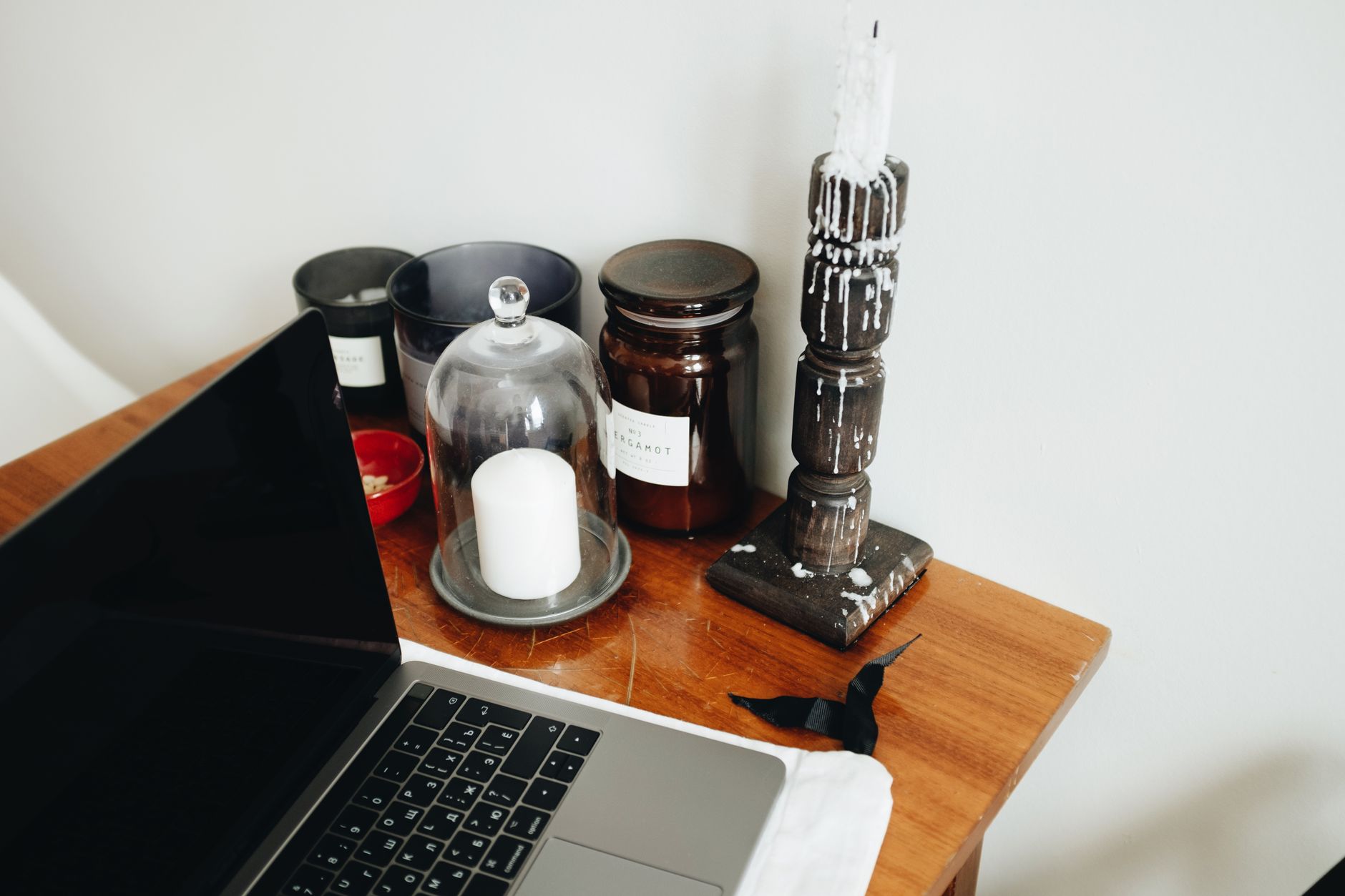
Mastering the Art of Cozy Home Office Desk Styling
The design of a workspace directly impacts cognitive function and daily well-being. When we transition our work environment into a space we genuinely enjoy, we initiate a psychological shift that enhances focus and reduces stress. Achieving this state requires more than just placing objects on a surface; it demands a deliberate aesthetic strategy. We observe from the data that visual clutter correlates directly with increased mental fatigue, meaning the arrangement of items on your desk dictates how effectively you process information. This is where mastering **cozy home office desk styling** moves beyond mere decoration and becomes an exercise in environmental engineering for peak performance.
Establishing the Foundational Principles of Desk Ergonomics
Before introducing decorative elements, the physical foundation must support productivity. A poorly positioned or cluttered desk creates immediate friction points for the body and mind. We need to analyze the relationship between spatial layout and workflow efficiency. Proper ergonomics dictate that essential tools should be within easy reach, minimizing unnecessary reaching, which conserves physical energy. Consider how you utilize vertical space; maximizing the use of wall space or vertical shelving alleviates horizontal clutter on the primary working surface.
Optimizing Surface Real Estate
The desk surface is your primary workspace canvas. We must segment this area into zones: the active work zone, the storage zone, and the aesthetic zone. The active zone demands clear space for monitors, keyboards, and notebooks to facilitate immediate task execution. Storage should be integrated rather than piled up; utilize drawers or vertical file systems to contain necessary materials discreetly. This deliberate segmentation prevents visual overload while ensuring accessibility.
Integrating Textures for Sensory Comfort
The concept of “cozy” is intrinsically linked to tactile experience. Our sensory input plays a crucial role in regulating our mood and attention span. Introducing varied textures mitigates the stark, cold feeling often associated with purely functional workspaces. We introduce textiles not just for visual appeal, but to engage the sense of touch, creating an enveloping atmosphere that signals safety and relaxation.
Layering Softness and Warmth
Textiles serve as powerful anchors in the design strategy. A soft desk mat made of wool or felt absorbs ambient noise and provides a pleasant surface against the wrists and forearms when resting. Consider incorporating a knitted coaster for pens; this small interaction reinforces the tactile comfort throughout the working session. When selecting these materials, we look at the visual weight they introduce; heavier, richly textured fabrics signal groundedness. Think about how textiles interact with ambient lighting—a soft throw draped nearby can diffuse harsh overhead light, softening the entire visual field. For those seeking deeper immersion in comfort, exploring trends like the warmth found in **Cozy Autumn Harvest: Fall Textile Trends for Warm Home Decor** reveals effective material choices that promote a sense of immediate warmth.
Curating Functional Organization Systems
Productivity hinges on access to tools; organization is the mechanism that grants this access efficiently. A well-styled desk employs systems that manage items while keeping them within sight. This requires selecting organizational tools that align with the specific function of the item and the aesthetic goal of the space. We are not merely storing things; we are engineering retrieval pathways.
Implementing Smart Storage Solutions
Drawers, tiered organizers, and vertical shelving units are essential components in this process. The key is to assign specific zones for different categories of items—pens, charging cables, reference books, and stationery. For example, a small, attractive box can contain frequently used small items, keeping the main desk surface clear. We analyze how these systems reduce cognitive load; when everything has a designated place, the mind is free to focus on the task at hand rather than scanning for misplaced items. Furthermore, integrating **Multi-Functional Furniture Hacks for Cozy Micro-Apartments** demonstrates that furniture designed for space efficiency enhances overall usability, which directly supports desk organization by freeing up surface area elsewhere in the room.
Selecting Accents That Elevate Atmosphere
The final layer involves selecting decorative accents that contribute to the desired ambiance without becoming distractions. These items should act as focal points that reinforce the theme of comfort and productivity. They introduce personality while maintaining a sense of calm equilibrium. The selection process demands an understanding of color psychology and scale.
Introducing Intentional Focal Points
A carefully chosen piece of art, a unique plant arrangement, or a handcrafted trinket can serve as the centerpiece for desk styling. These items should be meaningful to you; their presence should generate positive associations rather than creating visual noise. We look at the contrast between hard, functional surfaces (wood, metal) and soft, organic elements (plants, ceramics). This juxtaposition creates dynamic interest without sacrificing the necessary focus required for work. For instance, a ceramic mug with a warm glaze provides a grounding element against the sleekness of a monitor stand. Observe how these elements interact with natural light; indirect light catching the texture of a plant brings life and organic energy into the structured environment.
The Psychological Impact of Intentional Styling
The cumulative effect of these choices is a tangible shift in the workspace’s psychological resonance. When the physical environment supports mental ease, productivity naturally follows. We are designing an extension of our personal sanctuary where work can thrive without inducing anxiety. This intentional layering of sensory input—tactile comfort, visual harmony, and functional order—creates an optimized atmosphere. The desk stops being just a place to perform tasks; it becomes a personalized hub for focused, comfortable creation. Mastering **cozy home office desk styling** is ultimately about controlling the environment so that your internal focus can operate at its highest capacity.
Tags: home office decor, desk styling, cozy workspace, office organization, home office setup, desk aesthetics, cozy decor
Featured Image by ready made on Pexels.