
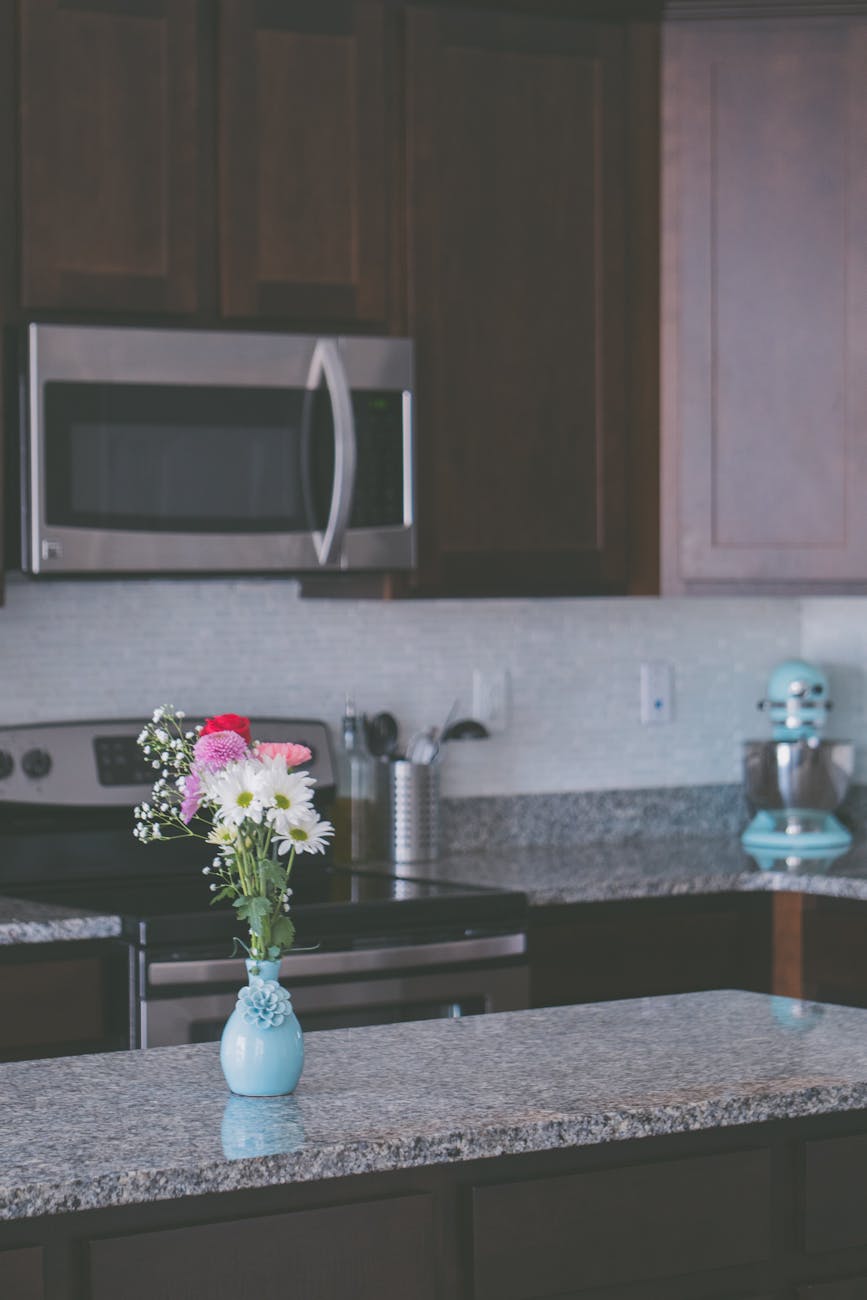
Mastering the Art of Cozy Kitchen Countertop Decor
The kitchen countertop functions as a multi-functional zone; it is where daily preparation occurs, yet it also serves as a visual anchor for the entire room’s aesthetic. We observe that transforming this often-utilised horizontal space into something deliberately warm and inviting significantly alters the perceived atmosphere of the home. This intentional styling moves beyond mere utility; it establishes a sensory experience that directly impacts mood and engagement while one is performing tasks. Understanding how to deploy **cozy kitchen countertop decor** requires an appreciation for texture, scale, and visual layering.
Deconstructing the Principles of Countertop Styling
The mechanism behind successful countertop decoration relies on controlling visual density and tactile engagement. A cluttered surface generates cognitive load; conversely, carefully curated items provide focal points that guide the eye smoothly across the workspace. We must consider the material properties at play here. Introducing organic textures—such as woven textiles, matte ceramics, or rough-hewn wood slices—introduces necessary visual friction against the smooth, often cold surfaces of stone or laminate. This juxtaposition is what generates that sought-after sense of coziness.
We see a strong correlation between incorporating layered elements and achieving depth. A single, large object placed centrally achieves simple balance, but layering smaller items creates an immersive environment. Think about how objects interact with light; reflective surfaces bounce light around the space, while matte textures absorb it, creating pockets of shadow that add depth and intimacy to the area. This manipulation of light and shadow is critical for establishing a truly cozy ambiance.
Selecting Materials for Warmth
The material choices dictate the thermal and visual response of the countertop display. For instance, utilizing ceramic pieces with matte glazes over high-gloss metals immediately dampens the visual intensity. We are seeking materials that signal comfort, not stark modernity. Natural wood elements, whether in the form of cutting boards or decorative trays, introduce inherent warmth through their grain patterns. Observing these natural textures suggests a preference for organic shapes and unfinished edges.
When selecting textiles for display, scale matters immensely. A small tea towel offers subtle texture, but a larger linen runner draped artfully across an area acts as a major textural statement. These textiles introduce the tactile quality that bridges the gap between the functional kitchen space and a living room atmosphere. This principle extends beyond the immediate countertop; it informs how we design spaces like the Hygge Bathroom Reading Nook: Cozy Decor Ideas (https://decorandliving.com/hygge-bathroom-reading-nook/).
Implementing Layered Decor Techniques
Successful styling involves establishing intentional groupings rather than scattering random items across the surface. We employ the principle of visual grouping, where objects are positioned in clusters of three or five to create a cohesive unit. For example, arranging small potted herbs alongside a stack of beautiful cookbooks creates an integrated vignette that functions as decor. This approach stops the countertop from appearing merely like storage and elevates it into an intentional design feature.
Consider using height variation. Placing taller items next to shorter ones manipulates the visual plane, preventing the display from feeling flat. A narrow vase juxtaposed with a broad, shallow bowl adds dynamic tension to the composition. This active arrangement forces the viewer to engage with the interplay of forms rather than simply scanning the surface. We are actively designing an experience for the user interacting with their space.
Integrating Functionality with Aesthetics
The countertop must remain highly functional for daily use; aesthetics should enhance this utility, not impede it. Items chosen for display need to withstand the rigors of kitchen life. Therefore, materials must be durable and easy to maintain. Stone or high-quality composite trays serve as excellent backdrops because they offer a stable, non-porous surface that protects any decorative elements placed upon them.
When organizing tools or small appliances, containment becomes crucial for maintaining visual serenity. Utilizing stylish canisters or woven baskets to store frequently accessed items keeps the clutter contained while still allowing attractive textures to remain visible. This containment strategy ensures that the decor contributes to coziness without creating functional friction. The goal is seamless integration where utility and beauty coexist harmoniously.
Beyond the Counter: Extending the Cozy Vibe
The impact of countertop styling extends beyond the immediate surface; it influences the psychological state associated with the entire kitchen environment. We are essentially using these small focal points to introduce elements of sanctuary into a high-activity zone. This intentional approach echoes the philosophy behind creating private retreats elsewhere in the home. If one seeks deep relaxation, incorporating soft textures and warm lighting is paramount, much like designing a Spa Bathroom Decor: Create Your Serene Sanctuary (https://decorandliving.com/spa-inspired-bathroom-decor/).
The visual narrative created by **cozy kitchen countertop decor** tells a story about the inhabitant—a story of intentional living, appreciation for texture, and comfort prioritized over pure, sterile efficiency. Observing how people engage with their spaces suggests that these surfaces are opportunities to inject personality daily. The process is iterative; we test different arrangements, observe the resulting mood, and adjust the composition until the desired sense of warmth and welcome is achieved consistently. This continuous refinement is what separates simple decorating from expert styling.
Tags: kitchen decor, countertop styling, cozy home, kitchen design, workspace decor, home styling, kitchen accessories
Featured Image by Jessica Lewis 🦋 thepaintedsquare on Pexels.