
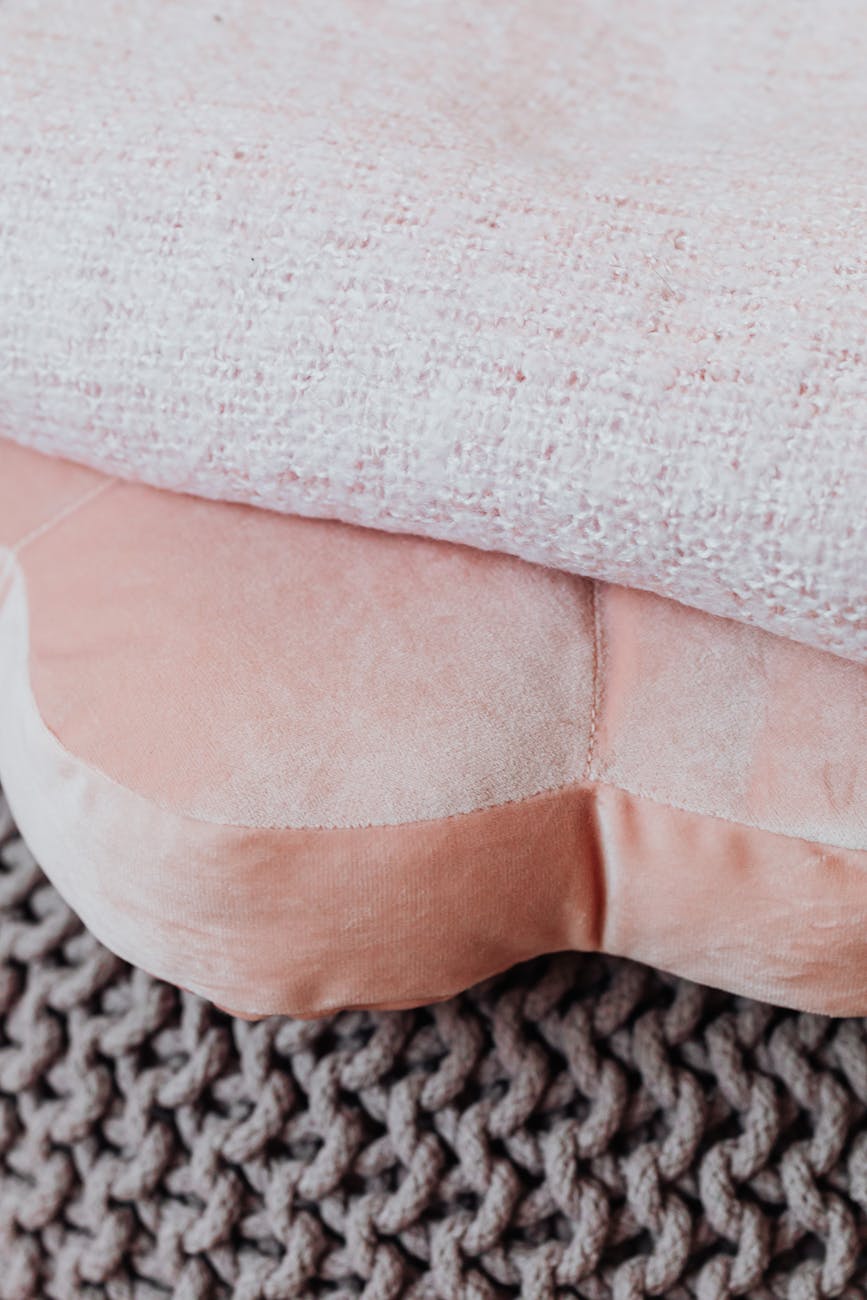
The Science of Tactility: Engineering Comfort Through Textile Layering
We often associate coziness with warmth generated by a single source, yet true sensory comfort arises from complex textural interaction. When we examine how we perceive a space, our brains process visual data alongside tactile input; the density of the visual experience dictates the perceived depth and invitation of the environment. This phenomenon is precisely what happens when we engage in strategic **layering textures bedroom decor**. We are not merely placing objects; we are manipulating the physical interface between ourselves and our surroundings to modulate thermal and psychological responses.
The mechanism at play involves the modulation of light reflection and shadow play across surfaces. Smooth, flat surfaces absorb or reflect light uniformly, creating a visual stillness. Introducing varied textures—the deep pile of velvet against the matte weave of linen, the shagginess of faux fur against the cool smoothness of silk—introduces micro-variations in how photons interact with the material. This complexity forces the eye to slow down, engaging deeper cognitive processing related to tactile memory and comfort association. We observe that this visual friction translates directly into a heightened sense of physical envelopment.
Deconstructing Textile Choices for Sensory Impact
Selecting materials is not subjective; it is an applied physics problem concerning thermal regulation and tactile response. Different fibers possess distinct thermal properties. For instance, wool and heavy-weight linen offer superior insulation by trapping air pockets within their complex weave structure, providing a tangible resistance to ambient cold. Conversely, synthetic materials like velvet or high-pile faux fur function by creating a dense surface layer that traps a significant amount of air immediately adjacent to the skin, creating an immediate sense of plushness.
When designing a bedroom environment, we must account for temperature differentials. A room can feel cold if surfaces are uniformly smooth and reflective. Introducing matte, deep-pile textiles mitigates this effect by increasing the thermal mass perceived by the body, even if the actual ambient temperature remains unchanged. This layering technique actively tricks the nervous system into registering a warmer state. Think about how we seek out tactile reassurance; our sensory processing prioritizes the complexity of the surface over the flat expanse of a single material.
Establishing the Base Layer: Foundation for Depth
The initial layer sets the baseline ambiance. This foundation should prioritize comfort and breathability, especially in a space intended for rest. Natural fibers like organic cotton or raw linen perform optimally here. These materials allow air to circulate freely, preventing the accumulation of stagnant, heavy air that can feel oppressive during sleep. We establish this base by selecting textiles with inherent softness; a high thread count in cotton, for example, provides a fine, consistent tactile experience against the skin.
This initial layer acts as the canvas upon which subsequent textures will operate. If the base fabric is too slick or unforgiving, the added layers will feel disconnected rather than integrated. We need a material that invites touch without demanding excessive visual attention; it is the silent support structure for the sensory experience we are constructing. Consider the principles governing environments like the Spa Sanctuary: Luxury Bathroom Retreat with Stone & Botanicals, where the goal is immersive physical relaxation through natural material interaction.
Implementing Secondary Layers: Introducing Richness and Contrast
Once the base is established, the secondary layers introduce the dynamic element of contrast. This is where we intentionally introduce textural disparity—the juxtaposition of rough against smooth, soft against structured. We achieve this by mixing materials with radically different surface profiles. For example, draping a heavy velvet throw over a crisp linen duvet introduces an immediate, rich depth that visually and physically separates the plane of the bedding.
This contrast is crucial because it prevents the layered space from collapsing into a monotonous visual field. The eye scans for variation, and when texture provides this variation, the perceived visual surface becomes infinitely richer. We are deliberately creating zones of tactile interest throughout the room. This approach mirrors seasonal shifts; much like how Fall Textile Trends for Warm Home Decor focus on rich, deep colors and varied weaves to evoke warmth, we apply this principle to our bedroom design.
Advanced Techniques: Mastering Faux and High-Pile Materials
The incorporation of materials designed primarily for visual impact introduces another layer of analytical complexity. Faux fur and high-pile rugs serve a specific function beyond mere aesthetics; they manipulate light absorption in ways natural fibers do not, often creating deeper shadows that enhance the perceived coziness. Analyzing these materials reveals how efficiently they trap light and tactile sensation.
When deploying faux fur, for instance, we observe its effectiveness in absorbing ambient light, which reduces visual harshness and contributes to a softer visual atmosphere. The density of the pile determines the intensity of this effect. Similarly, layering a chunky knit blanket over a smoother throw demonstrates how varying yarn thickness directly translates into differentiated tactile zones within the same space. This strategic deployment requires an understanding of material science applied to interior design.
Architectural Implications of Texture in Rest Spaces
The overall strategy of **layering textures bedroom decor** has implications for spatial psychology. A room saturated with varied, rich textures signals safety and invitation, contrasting sharply with sterile, uniform environments that promote alertness. The complexity demands engagement, pulling the occupant out of passive observation and into active, sensory experience. This process directly impacts the transition from the functional day to restorative rest.
We are essentially engineering an environment where every surface offers a subtle, tangible promise of comfort. When someone settles into bed, their body registers the multitude of soft resistances—the plushness of the throw, the cool smoothness of the sheet, the gentle give of the pillows—and this multi-sensory input reinforces the feeling of being securely enveloped. This is why intentional textural design transcends simple decoration; it becomes a form of environmental conditioning.
Practical Application: Building Your Tactile Sanctuary
To execute this effectively, focus on tactile pairings rather than overwhelming volume. A common pitfall emerges when designers attempt to use every available texture simultaneously, resulting in visual noise rather than harmony. Instead, identify anchor points—the bed, the reading nook—and apply deliberate contrast there. Use deep, matte textures for large surfaces, such as wall textiles or area rugs, and reserve high-pile, intensely soft materials for accent pieces that invite close physical contact.
For instance, if you select a heavy linen duvet for the main sleeping surface, introduce a velvet bolster pillow and a faux fur throw draped artfully over an armchair nearby. This creates distinct zones of sensory experience within the same room configuration. Observe how these deliberate pairings activate different parts of the tactile cortex simultaneously, leading to a deeper state of relaxed awareness. The cumulative effect is a bedroom that functions not just as a place to sleep, but as a meticulously crafted sanctuary designed for deep physical repose.
Tags: bedroom decor, textile layering, cozy home, fabric trends, bedroom styling, velvet, linen
Featured Image by www.kaboompics.com on Pexels.