The Science Behind Texture: Deconstructing the Perfect Cozy Throw Blanket
Selecting a throw blanket moves beyond simple aesthetic preference; it becomes an exercise in tactile engineering and thermal management. We are not merely covering a surface with fabric. We are engineering a sensory experience for our living space. Understanding the interplay between material composition, weave structure, and density dictates how the blanket interacts with the body’s thermal regulation system, which is the core mechanism behind achieving true coziness.
When analyzing textiles for home decor, we must assess several quantifiable attributes. The most critical factor is fiber content, as this determines the blanket’s performance in terms of warmth-to-weight ratio and breathability. Natural fibers like wool offer exceptional insulation properties because their crimped molecular structure traps air effectively, creating an insulating layer that resists heat transfer. Conversely, synthetic materials, such as polyester, possess excellent resistance to abrasion and moisture, which is beneficial for durability, yet they often have a different thermal profile; they trap heat efficiently but may feel less naturally soft against the skin compared to high-quality wool blends.
We observe from the data that the perceived coziness correlates directly with the blanket’s ability to manage microclimates. A poorly chosen blanket might feel warm initially but cause clamminess when body temperature shifts, whereas a thoughtfully selected piece maintains consistent thermal equilibrium. This principle extends beyond living rooms; the principles apply across all interior design elements. Consider how this thermal management informs choices in spaces like a spa bathroom where soft lighting and tactile comfort are paramount: [Spa Bathroom Decor: Create Your Serene Retreat](https://decorandliving.com/spa-bathroom-decor-soft-lighting/).
Analyzing Fiber Composition for Thermal Performance
The material dictates the blanket’s functional role. For maximum cozy factor, we look at the yarn structure. High-quality merino wool provides superior loft and warmth per gram of material. The natural lanolin content helps regulate moisture evaporation, preventing that heavy, clammy feeling often associated with synthetic fabrics when humidity rises. This inherent breathability allows the body to acclimatize easily.
Polyester, while cost-effective and highly resilient against repeated washing cycles, functions primarily as a heat retention mechanism by trapping air within its filament structure. When selecting polyester, scrutinize the weave pattern; a tightly knit, dense weave will offer superior insulation compared to a loosely woven, airy construction of the same material. The density of the weave directly impacts how much thermal energy is retained versus how easily heat can escape.
Cotton presents a middle ground. It offers softness and breathability, making it an excellent base layer for transitional seasons. However, standard cotton often lacks the heavy insulation required for deep winter coziness unless it is heavily weighted or constructed from a thick, double-knit weave. We must differentiate between surface softness and internal thermal capacity when evaluating these materials.
The Crucial Role of Weight and Density Metrics
Weight is perhaps the most immediate physical attribute that informs the sensory experience of a throw blanket. We quantify this using weight per square yard or meter. A heavier blanket implies greater loft, suggesting a higher density of insulating fibers packed into the material. This increased mass acts as a superior barrier against external cold.
When engaging with the primary keyword, the **cozy throw blanket guide** must emphasize that weight is not purely arbitrary; it reflects the material’s ability to achieve thermal saturation. For instance, a 10-pound blanket made from tightly spun alpaca wool will offer significantly more sustained warmth than a 10-pound blanket made from loosely woven cotton. We measure coziness by the retained heat gradient across the surface.
We see that layering is an advanced technique for achieving optimal coziness. A lightweight, fine-gauge knit provides a delicate visual texture and minimal thermal contribution, functioning as a light accent. This layer sits atop a heavier, high-loft blanket that handles the primary thermal load. This hierarchical approach allows the user to modulate warmth precisely as ambient conditions change throughout the day.
Weaving Patterns: The Visual Architecture of Comfort
Beyond the material composition, the way the fibers are constructed—the weave—determines the visual texture and the physical drape of the blanket. A beautiful material poorly woven will fail to deliver on the promise of coziness. This is where the mechanical process of weaving translates directly into aesthetic outcome.
Consider the difference between a simple plain weave and a more complex structure. A plain weave, where warp and weft cross over and under each other alternately, creates a balanced, durable surface suitable for heavier, dense materials. It offers a uniform texture. In contrast, patterns like the cable knit or the waffle weave introduce intentional variations in surface topography. These structural changes create pockets of raised and recessed areas, which dramatically influence how light interacts with the fabric, enhancing visual depth.
When we select a visually rich pattern, such as a chunky cable design, we are choosing a blanket that physically embodies textural interest. The resulting surface is not flat; it possesses an inherent three-dimensionality. This tactile complexity engages the visual system, making the object feel more inviting and less monolithic. We observe that patterns with deep textural variation signal luxury and invitation simultaneously.
Draping and Hand-Feel: Assessing the Physical Flow
The way a blanket drapes over furniture is another critical measurement in the selection process. A high-quality throw should possess a fluid drape, falling softly rather than clinging stiffly to the underlying surface. This flow suggests that the fibers are sufficiently pliable and have enough natural elasticity. Stiff, rigid blankets often signal lower quality or excessive synthetic stiffness.
The hand-feel—how the blanket physically feels when touched—is inextricably linked to the yarn thickness and the finishing process. A soft hand-feel indicates a high count of fine, soft fibers that yield easily under pressure. If you press a section of fabric, it should mold gently into the contours of your hand, not resist with unnatural rigidity. This pliability is what translates directly into the feeling of being wrapped in comfort.
We analyze the construction method for this effect. Knitted structures inherently possess more give than woven structures because the loops create inherent elasticity. When researching options, prioritize textiles that allow for significant drape over structure; this confirms an intention toward soft, enveloping coziness rather than stiff, architectural decor.
Material Deep Dive: Exploring Sustainable and Luxurious Options
The pursuit of a cozy blanket must now intersect with considerations of longevity and ethical sourcing. Choosing materials that perform excellently while minimizing environmental impact shifts the decision from purely consumer-driven to analytically responsible. We examine fibers known for their superior performance characteristics and sustainable lifecycle management.
Wool remains an exceptional choice due to its natural resistance to microbial growth and its remarkable ability to regulate temperature across a wide range of conditions. Its natural lanolin content aids in moisture management, making it highly functional for year-round use. Sourcing responsibly managed wool ensures that the thermal benefits are coupled with ethical production standards.
For those prioritizing durability and lower environmental impact, exploring recycled materials is an emerging area of focus. Recycled polyester offers a viable alternative when paired with high-quality weaving techniques to mitigate some of the synthetic drawbacks. However, we must remain vigilant; simply recycling does not automatically translate into superior thermal performance or luxurious softness if the fiber quality is compromised during reprocessing.
Natural fibers like organic cotton offer a soft baseline for everyday use. When purchasing cotton throws, investigate the milling process to ensure minimal chemical processing that might degrade the natural fibers’ inherent softness and breathability. Understanding the supply chain reveals much about the final product’s true cozy potential.
Integrating Textiles into Interior Ecosystems
A blanket functions not in isolation but as an integrated component within the home’s design narrative. Its placement influences the atmosphere of a room, connecting functional comfort with aesthetic goals. The visual weight and texture of the throw should complement the surrounding elements—the color palette, the type of furniture, and the overall mood we aim to establish.
For example, pairing a heavy, deep-pile, cream-colored wool blanket against rough-hewn wooden textures creates an immediate juxtaposition that enhances the feeling of rustic warmth. Conversely, placing a lightweight, silk-blend throw over soft, plush upholstery in a modern setting introduces a refined, airy coziness. This deliberate juxtaposition demonstrates how textiles act as crucial mediating elements between raw material and lived experience.
When designing for maximum sensory impact, think about the layering effect across the entire space. The choice of fabric should support the intended mood—whether that is the deep, enveloping warmth needed for a reading nook or the light, airy softness desired in a bedroom setting. Mastering the **cozy throw blanket guide** means understanding this holistic interaction between physical science and aesthetic desire.
Tags: throw blanket guide, home decor, blanket selection, cozy living, textile tips, home textiles, blanket materials
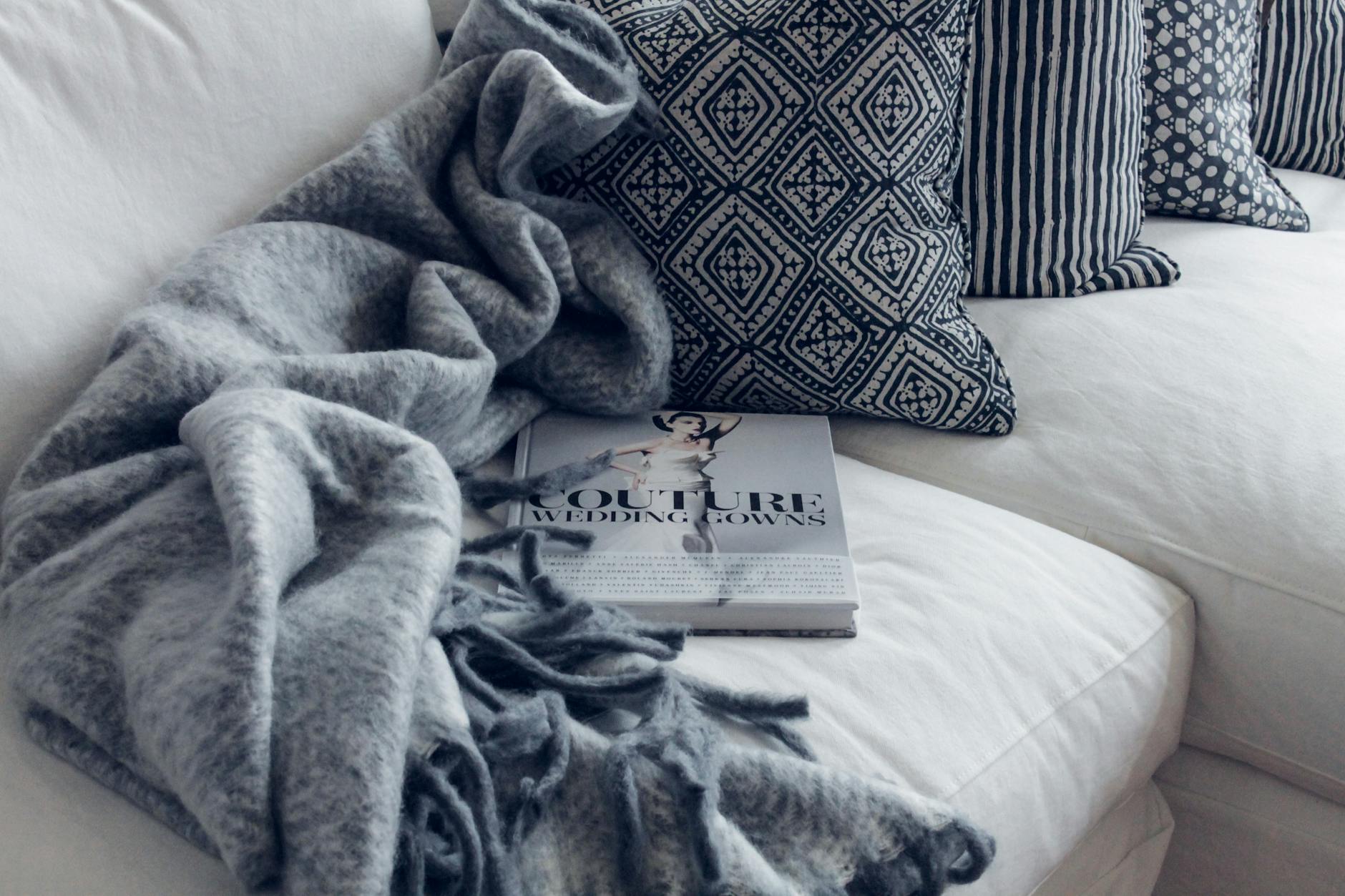
Featured Image by Isabelle Taylor on Pexels.