
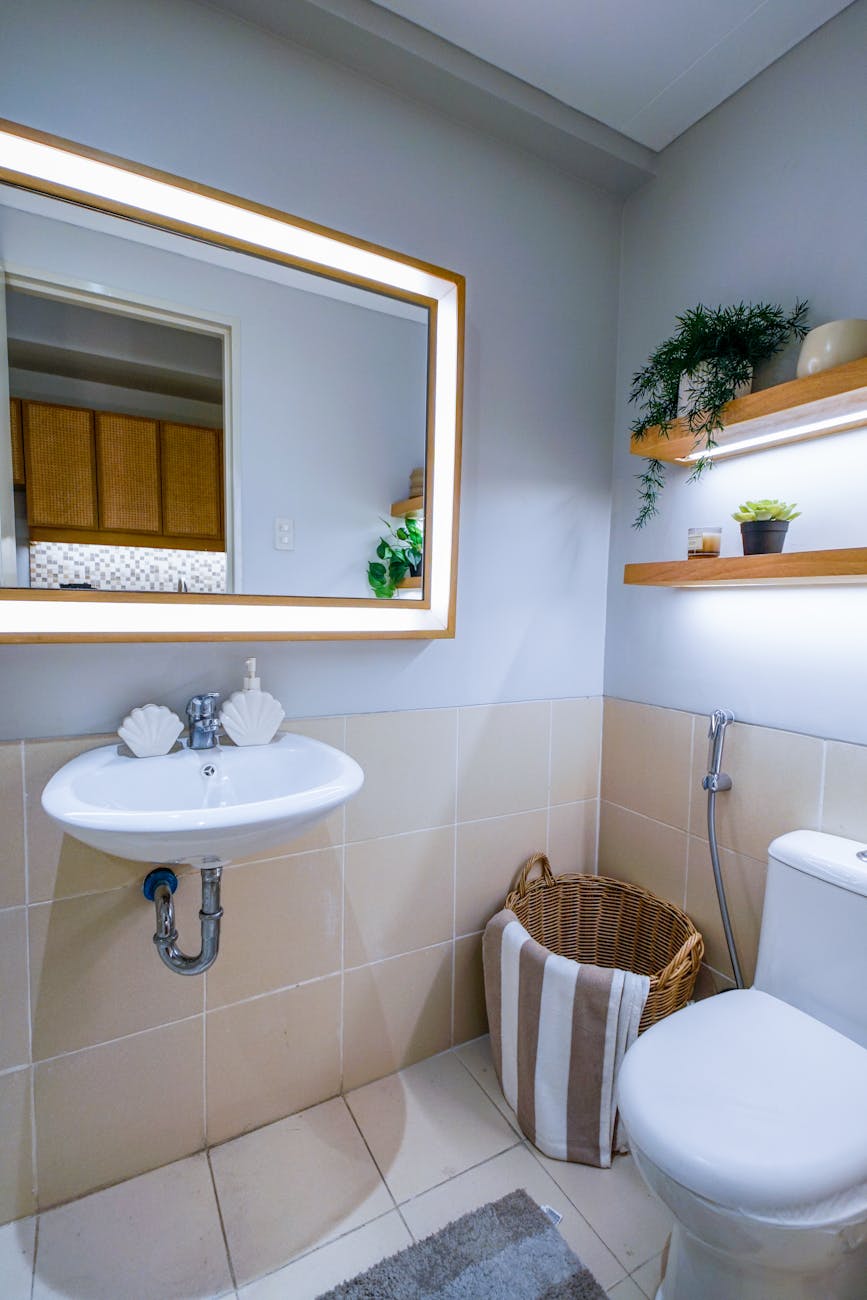
Maximizing Vertical Real Estate in Your Bathroom
The bathroom presents a unique architectural challenge: balancing the need for accessible storage with the aesthetic goal of maintaining an open, uncluttered visual field. When we examine typical bathroom layouts, the available wall space often remains underutilized, presenting a significant opportunity to implement smart design solutions. We observe that maximizing vertical real estate directly impacts the perceived spaciousness of the room and fundamentally alters how functional items are integrated into the décor scheme. Implementing effective **bathroom shelf ideas** moves beyond simple decoration; it involves manipulating spatial perception through strategic placement and material selection.
Analyzing Shelf Placement for Optimal Functionality
The positioning of any shelving unit dictates its utility. Placing shelves too high forces users to reach awkwardly, reducing accessibility and increasing strain, which defeats the purpose of functional storage. Conversely, placing shelves too low consumes valuable floor space that could otherwise be used for circulation or comfortable placement of fixtures. Our analysis suggests that the optimal height for vanity shelving should align with the user’s ergonomic reach when performing daily tasks—reaching for toiletries or organizing accessories.
Consider the space above the toilet or across from the sink. These areas often feature dead space, which can be transformed into functional storage zones. We see a trend toward utilizing narrow, vertical elements rather than sprawling horizontal ones. Narrow floating shelves, for instance, occupy minimal visual real estate while effectively creating segmented zones for different product categories. This approach supports an organized system without overwhelming the visual flow of the vanity area.
Material Selection and Aesthetic Integration
The materials chosen for bathroom storage must perform under high-moisture conditions while simultaneously contributing to the desired aesthetic. Wood, when treated correctly with appropriate sealants, offers inherent warmth that complements natural textures. Stone or concrete elements introduce a cool, grounded texture that pairs exceptionally well with modern or minimalist designs. We observe that mixing these tactile materials allows for sophisticated layering of décor.
For areas demanding a more organic feel, incorporating natural wood accents connects the space to nature. When selecting wood for bathroom shelving, attention must be paid to moisture resistance and finishing techniques to prevent warping or mildew growth. Conversely, surfaces intended for high-traffic zones should favor durable, non-porous materials. This consideration links directly to broader design trends; for instance, embracing **Rustic Bathroom Decor: Natural Wood & Stone Accents** creates an immediate sense of cozy authenticity.
Creative Solutions for Specific Vanity Spaces
Different sections of the vanity require distinct storage strategies. The area immediately surrounding the sink demands accessible, easily reachable items. Here, shallow, tiered shelving units are highly effective because they allow visibility to contents while maintaining a streamlined profile. These designs prevent clutter accumulation by providing defined boundaries for each item grouping.
When space is extremely limited, thinking vertically becomes the only viable mechanism. Installing narrow, floating shelves along the wall above the mirror or around the medicine cabinet leverages unused vertical dimensions. These solutions effectively draw the eye upward, elongating the perceived height of the room. We find that utilizing these high placements draws attention away from the floor plane and toward the ceiling, enhancing the sense of openness.
Integrating Lighting with Shelf Design
The quality of illumination profoundly affects how a shelf arrangement functions aesthetically. Poorly lit areas appear heavy and cluttered. Strategic lighting transforms simple shelving into focal points. Installing subtle LED strip lighting underneath floating shelves provides an ambient glow that highlights the objects displayed without creating harsh shadows. This technique enhances the cozy atmosphere, especially when paired with soft, diffused light sources throughout the bathroom space. If you are aiming for a spa-like environment, incorporating **Spa Bathroom Decor: Create Your Serene Retreat** through soft lighting mechanisms elevates the entire experience of using your storage solutions.
Storage Mechanisms Beyond Simple Shelves
True maximization involves deploying diverse storage mechanisms beyond traditional flat shelves. Incorporating open-backed baskets or woven containers allows items to be grouped cohesively while offering a softer visual texture than rigid shelving. These textile solutions introduce necessary softness into spaces dominated by hard surfaces like tile and glass.
Drawer organizers, custom-fitted racks, and tiered acrylic organizers serve to compartmentalize smaller items, preventing the visual chaos that often results when toiletries are piled haphazardly. By employing these systems, we shift the focus from mere storage to organized presentation. This methodical approach ensures that every item has a designated place, which is the prerequisite for achieving true bathroom harmony.
The Psychology of Clutter Reduction
The underlying goal of implementing smart **bathroom shelf ideas** is psychological: reducing visual noise. Clutter triggers cognitive load; when the visual field is overloaded with miscellaneous objects, the brain expends unnecessary energy processing that information. A streamlined storage system reduces this cognitive drain immediately. We observe that when surfaces are clean and organized, the environment inherently feels calmer and more restful. This principle extends across all design disciplines; a tidy bathroom supports mental clarity.
We move toward an intentional curation of possessions rather than simple accumulation. Every object displayed on a shelf should serve a purpose or contribute meaningfully to the room’s overall narrative. This requires careful assessment of what truly belongs in the space, allowing only carefully selected pieces to occupy prominent visual real estate.
Final Considerations for a Cohesive Design
Designing effective bathroom storage involves understanding the interplay between form, function, and atmosphere. The choice between open shelving and closed cabinetry is a strategic decision based on personal preference and necessity; open shelves expose curated collections, while closed units maintain an uninterrupted, seamless appearance. We must balance the desire for open display with the need for practical concealment. Ultimately, successful bathroom design integrates storage seamlessly, ensuring that functionality supports, rather than detracts from, the desired sense of cozy elegance.
Tags: bathroom organization, vanity decor, bathroom storage, shelf ideas, bathroom design, cozy home
Featured Image by Lyndon Opalla1 on Pexels.