
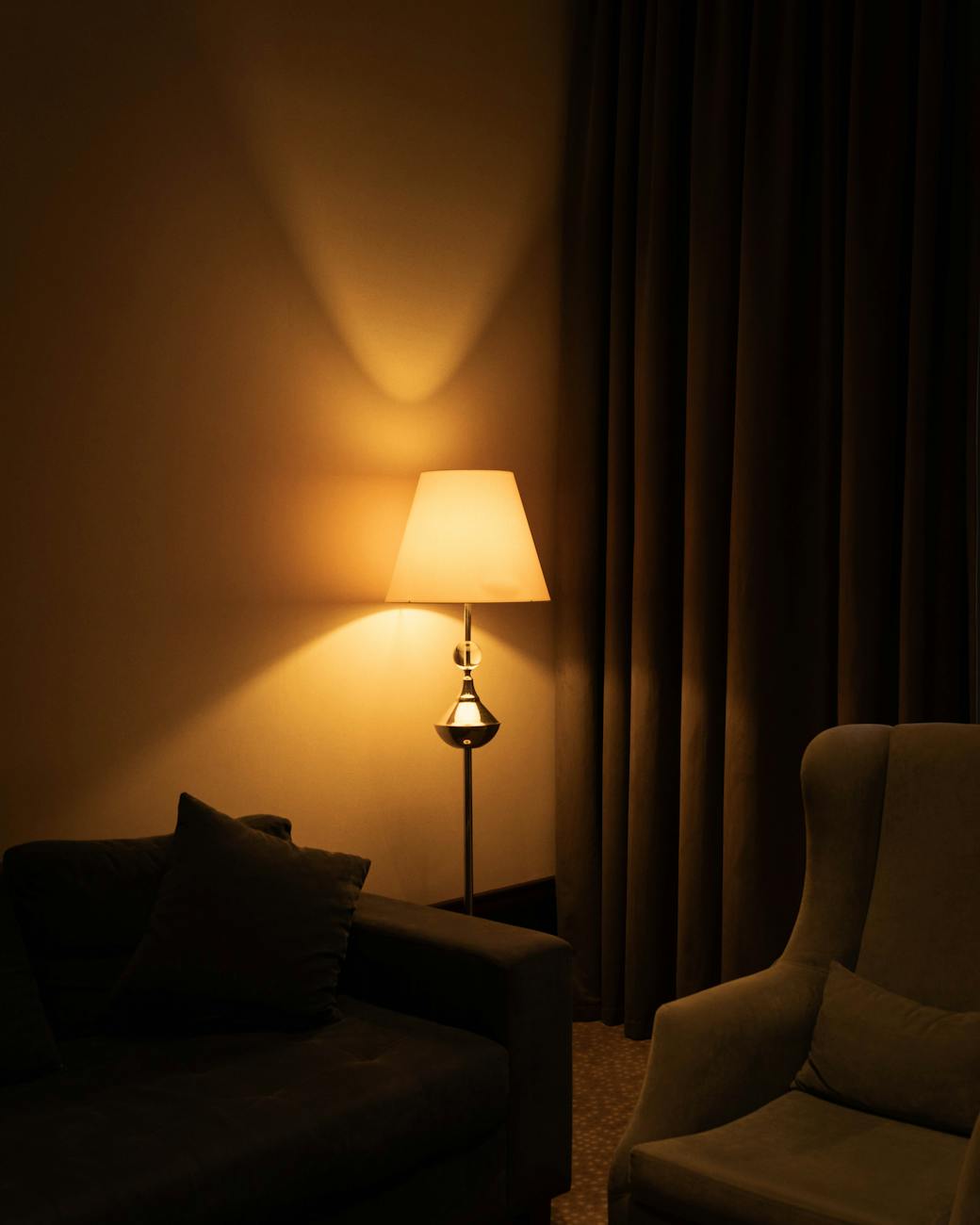
The Science of Warmth: Deconstructing Cozy Living Room Lighting
Creating a truly cozy atmosphere is not accidental; it is the deliberate manipulation of light physics and psychological response. We are essentially engineering an environment where the visual spectrum signals relaxation, shifting attention away from harshness toward intimacy. Understanding how light interacts with surfaces allows us to move beyond simply turning on a lamp and start designing an ambiance. This involves understanding color temperature, luminosity levels, and the strategic placement of light sources to achieve a cohesive, inviting effect across an entire space.
Understanding Color Temperature and Light Intensity
The single most powerful tool in manipulating mood is the color temperature measured in Kelvin (K). Warm light, typically below 3000K, mimics the glow of firelight or sunset; it stimulates melatonin production, signaling to the brain that it is time to wind down. Conversely, cooler light above 4000K introduces alertness, suitable for task-oriented activities but antithetical to deep relaxation. When setting up a **cozy living room lighting** scheme, we must prioritize incandescent or warm LED bulbs in the 2200K to 2700K range. Observing this effect, we see that even subtle shifts in Kelvin can recalibrate the entire perceived temperature of a room.
Luminosity, or the sheer amount of light emitted, plays an equally critical role. Dimmer settings do not just reduce brightness; they introduce shadow and depth, which are essential components of visual coziness. We observe that high-contrast lighting is inherently more stimulating than soft, diffused illumination. The goal in a living space is to minimize harsh shadows and maximize soft diffusion. This requires layering light sources rather than relying on a single, centralized overhead fixture.
Layering Light for Depth and Dimension
A flat plane illuminated by a single source feels shallow. True coziness emerges when light interacts with various textures, creating pockets of warmth and shadow across the décor. We achieve this through strategic layering—a principle that extends far beyond the simple act of illumination. Think about how light grazes the texture of a velvet throw or catches the sheen of polished wood. These subtle interactions add visual richness that a uniform glow simply cannot replicate.
We implement three primary layers in effective **cozy living room lighting**: ambient, task, and accent lighting. The ambient layer sets the overall mood; this is usually achieved through indirect sources like floor lamps or hidden strip lighting. Task lighting provides functional illumination for specific activities, such as reading or working on a project. Accent lighting draws attention to specific architectural features, artwork, or decorative objects.
Implementing Ambient Lighting Strategies
The ambient layer dictates the foundational feeling of the room. We aim for low-intensity sources that cast light upward or indirectly onto walls rather than directly into the eyes. Placing lamps with fabric shades immediately diffuses the harsh point source, softening the light before it hits the surface. Consider positioning floor lamps in corners to draw the eye away from the center and create intimate zones. This indirect illumination works by reducing visual fatigue and encouraging a sense of enclosure.
When designing these zones, we must account for the materials present. Reflective surfaces, like matte paint or linen, scatter light softly, amplifying the warm tone. Conversely, highly reflective surfaces, such as polished chrome, will produce sharper highlights. Experimentation here is key; observe how different fabric choices—velvet versus linen—absorb and reflect the light differently, fundamentally altering the perceived coziness of the space.
Task Lighting for Functional Comfort
Task lighting ensures that functional areas feel comfortable and inviting rather than sterile. For reading nooks or seating areas, an adjustable floor lamp positioned beside a sofa provides localized warmth without flooding the entire room with intense light. The mechanism at play here is focused illumination; we direct high-quality light exactly where visual engagement is required. This allows occupants to control their immediate environment, enhancing personal comfort significantly.
When integrating task lighting, consider the specific function. A reading lamp should have a warm color temperature and an adjustable beam that targets the book directly. The light must be bright enough for vision but soft enough not to cause glare. This principle of focused intensity ensures that functional necessity supports the overall goal of creating a relaxing environment.
Accent Lighting: Highlighting Decor Elements
Accent lighting is where we introduce dynamic visual interest, bringing out the tactile quality of our décor choices. Using strategically placed spotlights or small table lamps allows us to highlight specific pieces—a textured wall mural, an interesting piece of art, or a decorative vase. This technique creates visual hierarchy; it tells the eye where to rest and what details warrant closer inspection.
Observe how this works when integrating different décor styles. If your space incorporates natural wood elements, accent lighting directed at those surfaces enhances the grain and depth. Similarly, when incorporating stone accents, focused light reveals the subtle variations in texture and porosity. This method elevates simple objects into focal points within the larger composition of the room.
Incorporating Organic Elements: The Candlelight Effect
Candlelight is perhaps the most direct manifestation of warm ambiance. The flickering quality of candlelight introduces a movement that our eyes naturally find mesmerizing, triggering a primal sense of comfort and intimacy. We are not just adding light; we are adding kinetic warmth. Utilizing unscented, high-quality candles allows the soft, dancing flame to provide an inherently warm glow that complements any LED fixture.
The mechanism here involves visual rhythm. The subtle shifts in shadow across surfaces create a dynamic scene that is far more engaging than static illumination. This effect works exceptionally well when combined with low levels of surrounding light. Imagine grouping several small candles on a side table; the resulting interplay of soft, overlapping light creates an immediate sense of sanctuary.
Connecting Lighting to Architectural Flow
The way light moves through a space defines its character. We analyze the pathways light takes from the windows, across the floor plane, and onto the vertical surfaces. If you have tall ceilings, using uplighting can draw the eye upward, emphasizing verticality and openness. For smaller, cozier spaces, keeping light sources lower on the floor promotes a feeling of grounding and intimacy.
We see that architectural lines benefit immensely from subtle lighting transitions. Using dimmer switches allows occupants to modulate the overall energy level instantly. This control over luminosity gives users agency over their environment, which is a key component of feeling at ease within one’s home. When transitioning between activities, adjusting the light from bright task mode to soft ambient mode facilitates this psychological shift seamlessly.
Practical Application: Designing Your Cozy Scheme
To synthesize these observations into actionable design, focus on controlling the sources and the materials they meet. Start by assessing the natural light exposure; large windows demand softer supplementary lighting. Then, select bulbs based strictly on Kelvin measurement, locking in that warm color profile throughout the space. Next, map out where your primary visual anchors are—these become your accent points for targeted illumination.
Consider how this concept extends beyond the living room to other areas of the home. The principles of diffused warmth apply equally to creating a serene spa bathroom setting, where soft lighting enhances relaxation and sensory experience. Similarly, bringing natural textures into the space demands careful light management so that these organic elements are highlighted, not washed out. For instance, when using materials like natural wood or stone accents, ensuring the light plays across their surfaces allows their inherent beauty to register fully.
The cumulative effect of thoughtful **cozy living room lighting** is the transformation of a mere collection of rooms into a sanctuary. It is an exercise in sensory design, where illumination functions not just to see, but to feel—to invite rest, encourage conversation, and establish a deeply personal sense of warm, enveloping comfort.
Tags: cozy living room lighting, home decor, living room ideas, ambient lighting, decorating tips, candlelight, warm lighting
Featured Image by saw sing on Pexels.