
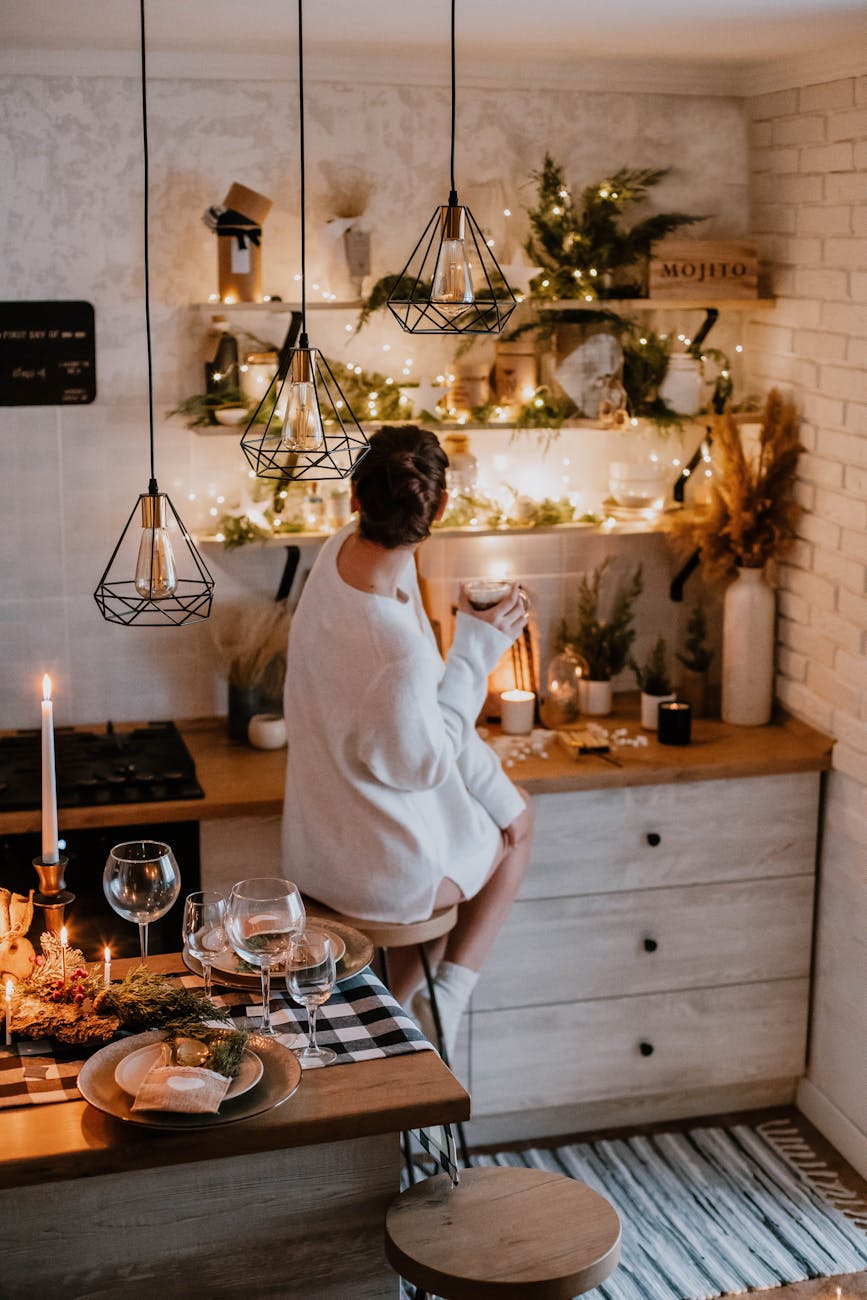
The Science of Ambiance: Engineering Warmth Through Light and Scent
The experience of dining transcends mere consumption; it becomes a sensory event, meticulously constructed by the environment surrounding the table. We observe from the data that the psychological impact of a space is directly proportional to its ability to modulate physiological responses. When designing for dining moments, we must treat light and scent not as superficial additions but as active agents in shaping mood and memory. This understanding forms the foundation for mastering **cozy kitchen lighting** and candle decor.
Kitchens, fundamentally spaces of preparation and gathering, require a specific atmospheric calibration. The goal is to shift the environment from functional efficiency to relaxed intimacy. Poor lighting introduces harsh shadows that increase visual stress, whereas warm illumination triggers the release of oxytocin, the bonding hormone. This chemical response facilitates slower, more deliberate interactions among those sharing the meal. We are deliberately engineering a sense of safety and welcome through carefully controlled spectral temperatures.
Mastering the Spectrum: Selecting Cozy Kitchen Lighting
The selection of light sources dictates the entire textural experience of the kitchen. White light, particularly the cool, blue-toned light common in many modern LED fixtures, functions optimally for tasks requiring high visual acuity, such as precise chopping or detailed cleaning. However, for creating a cozy atmosphere, we must intentionally shift the color temperature toward the warmer end of the spectrum. We are looking at Kelvin measurements, where anything below 3000K begins to introduce a distinctly amber, inviting quality into the space.
We see that light sources operating in the 2700K to 3000K range effectively mimic the warm glow of firelight, signaling comfort and relaxation to the visual cortex. This spectral manipulation softens hard edges and reduces visual tension. Implementing layered lighting is critical; relying on a single overhead fixture results in unflattering contrast. Instead, we deploy ambient sources—under-cabinet strip lighting, dimmable pendants over the island, and strategically placed accent lamps—to create depth and shadow play. This layering prevents flat, institutional illumination and allows the eye to rest comfortably while engaging with the décor.
The mechanism at play here is visual hierarchy. By diminishing the intensity of the general light and emphasizing pools of warm light, we direct the occupants’ attention exactly where the desired intimacy resides: the dining surface. When people gather, their focus naturally gravitates toward the brightest, warmest focal points, subconsciously cementing that area as the central gathering space.
Scent as a Memory Trigger: Integrating Candle Decor Effectively
Lighting addresses the visual dimension, but scent engages the powerful limbic system, directly connecting sensory input to deep-seated emotional memory. Candles are not simply decorative objects; they are atmospheric anchors. The process by which we introduce fragrance into a space triggers complex neurological pathways associated with comfort and nostalgia.
When selecting scents for a dining setting, we move beyond simple pleasantries toward intentional olfactory narrative. A heavy, sweet vanilla or warm sandalwood scent, for instance, has been consistently correlated with feelings of security across numerous psychological studies. We are not merely diffusing aroma; we are programming an emotional state through volatile organic compounds (VOCs). The burning wick acts as the physical catalyst initiating this chemical release into the air.
The choice of fragrance must align with the visual palette established by the lighting. If the lighting employs deep amber tones, a scent profile featuring notes of spiced cedar or smoky amber complements that visual warmth perfectly. Conversely, if the goal is a lighter, airy coziness, citrus or subtle herbaceous notes can introduce brightness without disrupting the intended mood. This deliberate pairing ensures sensory congruence.
We observe that these aromatic experiences create mnemonic links. The specific smell associated with a particular meal—the rich aroma of roasting herbs or sweet baked goods—is instantly reinforced by the surrounding visual cues, strengthening the memory long after the physical act of eating is complete. Think about how similar principles apply when decorating other areas; establishing a sense of tactile warmth in one room can bleed into the overall home ambiance, perhaps linking to ideas found in trends like Cozy Autumn Harvest: Fall Textile Trends for Warm Home Decor.
Designing the Focal Point: Candle Placement and Scale
The physical placement and scale of candle decor directly influence the perceived intimacy. A large, imposing candle in a small space can feel overwhelming; conversely, several smaller, clustered candles create an intentional, intimate grouping that invites closer inspection. We analyze how the visual weight interacts with the light source.
When arranging decorative elements, we must consider negative space. Allowing space between candles permits the light to diffuse softly around each flame, enhancing the glow rather than competing with it. This creates soft gradients across the tabletop surface. Placing candles near the dining area establishes a clear zone of warmth, signaling that this specific area is reserved for focused, unhurried attention.
Consider the tactile interaction with surrounding materials. If the kitchen features natural wood cabinetry or stone countertops, introducing elements made of matte ceramics or beeswax candles enhances the textural synergy. This physical layering reinforces the feeling of an organic, lived-in space rather than a sterile, manufactured environment. For example, integrating these principles into adjacent areas, such as ensuring the bathroom also utilizes natural textures, mirrors the effect seen in Rustic Bathroom Decor: Natural Wood & Stone Accents.
The Synergy Effect: Lighting and Scent Convergence
The true power emerges when the visual warmth of the **cozy kitchen lighting** converges with the olfactory signals from the candles. This convergence creates a holistic sensory experience that bypasses purely intellectual processing and engages primal, comforting responses. We are designing an immersive environment where sight and smell synchronize to deliver a specific emotional payload.
This synergistic effect is what elevates a simple meal into a memorable occasion. The visual softness invites relaxation; the warm scent triggers memory retrieval; the soft light encourages slowing down. This intentional orchestration moves beyond mere aesthetics; it becomes applied sensory design. We are manipulating the physics of perception to achieve a desired psychological outcome: deep, unhurried contentment within the domestic sphere. Implementing these techniques allows homeowners to actively engineer their daily environments for maximum comfort and connection.
Tags: kitchen decor, cozy home, dining ambiance, candle decor, kitchen lighting, home decor, cozy living
Featured Image by Galina Kolonitskaia on Pexels.