
Engineering the Aesthetic: How to Build a Winter Wonderland
The desire for a cozy atmosphere during the colder months is not merely sentimental; it represents a tangible response to environmental shifts, an instinctual need to create interior spaces that offer psychological refuge. We observe from the data that sensory input directly modulates mood and perceived comfort levels. Transforming a standard living space into a winter wonderland involves manipulating light, texture, and visual density in a calculated way. This is less about simply scattering decorations and more about engineering an immersive environment where tactile and visual experiences converge.
The Physics of Light: Harnessing Illumination for Ambiance
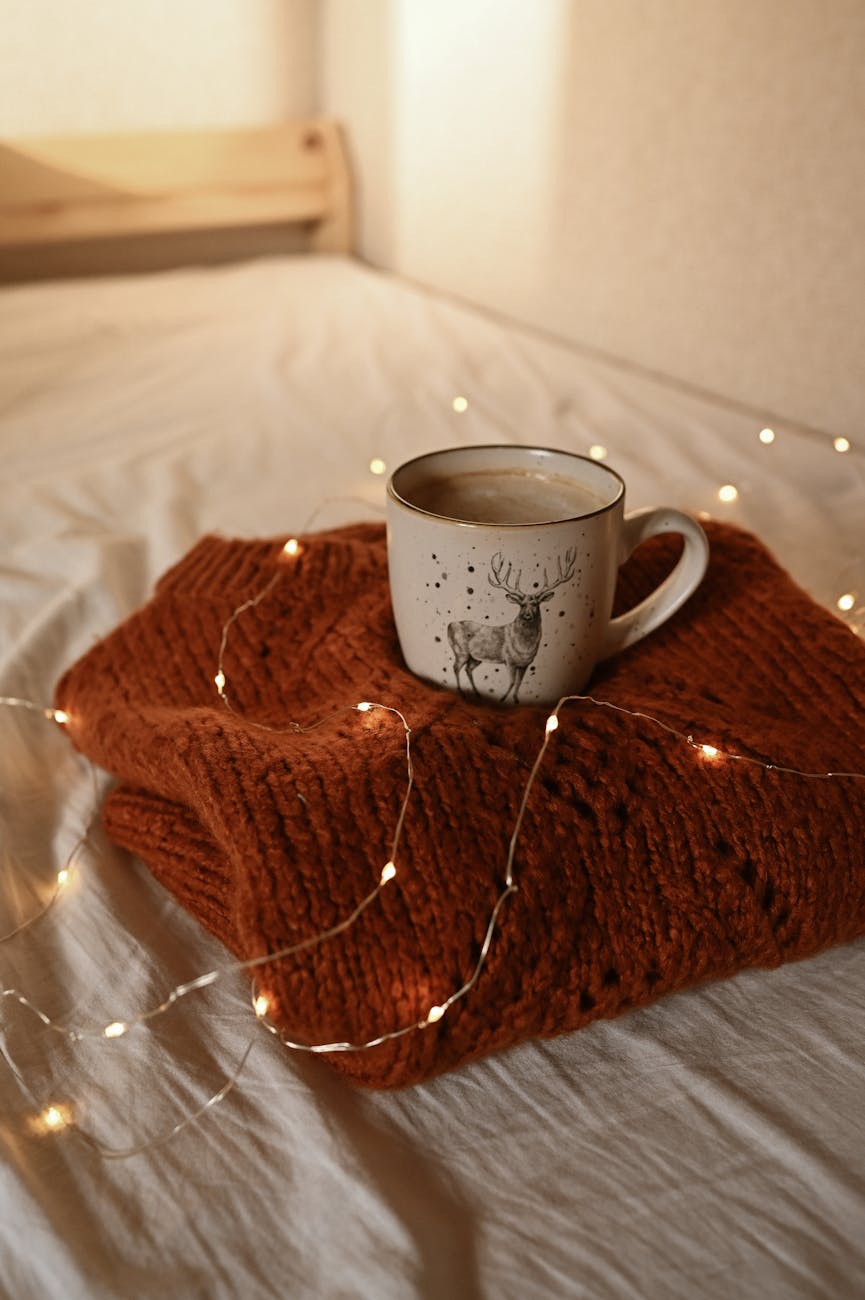
Light quality dictates the entire mood of a decorated space. Harsh, cool illumination actively works against the goal of coziness. We need to pivot toward warmer color temperatures, specifically those in the 2700K to 3000K range, which mimic the warm glow of firelight and enhance the richness of textiles. Fairy lights serve as an excellent mechanism for this transformation because they provide diffused, low-intensity illumination that avoids stark shadows. When these tiny LED points are draped across window frames or woven through branches, the effect is one of gentle, scattered magic rather than intense spotlighting.
Consider how light interacts with reflective surfaces. Introducing sheer fabrics layered over windows multiplies the ambient light, softening any remaining harshness. This layering process increases the surface area reflecting the warm string lights, effectively bathing the room in a soft, diffused glow. This manipulation of light intensity and color spectrum is foundational to achieving that ethereal winter wonderland decor effect. We are controlling the visual temperature directly.
Textile Strategy: Layering for Tactile Comfort
Textiles are perhaps the most potent medium for injecting warmth into an indoor environment. The mechanism here operates on tactile feedback; the perceived softness translates directly into physical comfort. We should focus on incorporating materials with high thread count and rich, inviting textures. Think about layering blankets—a chunky knit throw over a softer linen sheet creates distinct zones of cozy engagement. This deliberate textural layering signals safety and invitation to relax.
For instance, integrating heavy wool or faux fur throws immediately anchors the visual weight of the room while physically signaling warmth. When selecting textiles for winter wonderland decor, we look for materials that absorb light softly rather than reflecting it sharply. If you are seeking a specific type of cozy texture, exploring handcrafted options, such as DIY Cozy Knit Amigurumi: Custom Plushies for Your Home, allows for a deeply personalized textural experience. The physical presence of these soft items anchors the abstract concept of ‘winter’ into tangible comfort.
Integrating Seasonal Motifs: Snowflakes and Natural Elements
The visual narrative of a winter wonderland relies on carefully introduced motifs. Snowflakes, whether printed or crafted, act as focal points that draw the eye toward delicate patterns. They introduce the theme without overwhelming the space with excessive ornamentation. We must balance these delicate elements against the heavier, warmer textiles already present to maintain equilibrium.
Natural elements offer an organic counterpoint to manufactured light and fabric. Bringing in branches, pinecones, or frosted greenery connects the indoor space to the outdoor winter landscape. This juxtaposition of wild, natural forms against carefully arranged interior décor creates a dynamic visual tension that is inherently appealing. The effect is one of bringing the crispness of the outdoors inside while cocooning oneself in warmth.
Orchestrating the Fairy Light Installation
The placement of string lights requires strategic thinking to maximize their atmospheric impact. Avoid simple linear arrangements; instead, treat the lights as architectural elements themselves. We observe that weaving lights around architectural features—doorways, mantelpieces, or window sills—creates defined pathways for the light to travel and settle. This technique transforms a functional space into an illuminated scene.
For larger installations, consider creating depth by using varying light densities. Cluster brighter strands in one area, allowing dimmer ones to cascade into shadowed corners. This variation prevents monotony and enhances the sense of depth, making the overall effect more immersive. The careful management of density ensures that the illumination feels organic rather than overtly decorative.
Creating Sanctuary Zones: Beyond the Main Living Area
A true winter wonderland is not confined to one room; it exists as a collection of curated sanctuaries throughout the home. We can apply this principle to smaller spaces to maximize cozy impact without requiring extensive overhaul. Imagine transforming a bathroom into a spa sanctuary: Luxury Bathroom Retreat with Stone & Botanicals offers an opportunity to integrate soft lighting and natural textures, establishing a retreat from the cold.
The process involves focusing on sensory control within that zone. Incorporating smooth stones, soft towels, and strategically placed warm accent lighting shifts the functional space into a realm of intentional calm. This demonstrates how texture and light can achieve a similar psychological effect in different environments. The transition from a bustling room to a serene retreat is managed entirely by the material choices and illumination levels employed.
Analytical Implications for Decor Selection
When designing this aesthetic, the underlying principle involves managing visual noise. Too many competing patterns or overly bright colors introduce visual clutter, which directly counteracts the desired sense of peace. Therefore, a successful winter wonderland decor strategy relies on intentional restraint. We focus on texture, warm light, and natural forms as primary drivers. The goal is not maximalist decoration but maximalist coziness.
The choice of materials must reinforce this objective. Rough wools, matte ceramics, and soft linens absorb light in a way that promotes restfulness. These elements provide the necessary grounding against the shimmering effect provided by the lights. Analyzing the interaction between these components reveals that the success of the decor hinges on the synergy between tactile softness and warm luminescence. This careful orchestration transforms simple objects into tools for emotional regulation within the home environment.
Tags: winter decor, cozy home, fairy lights, winter textiles, holiday decorating, home ambiance, winter style
Featured Image by Liana Tril’ on Pexels.