
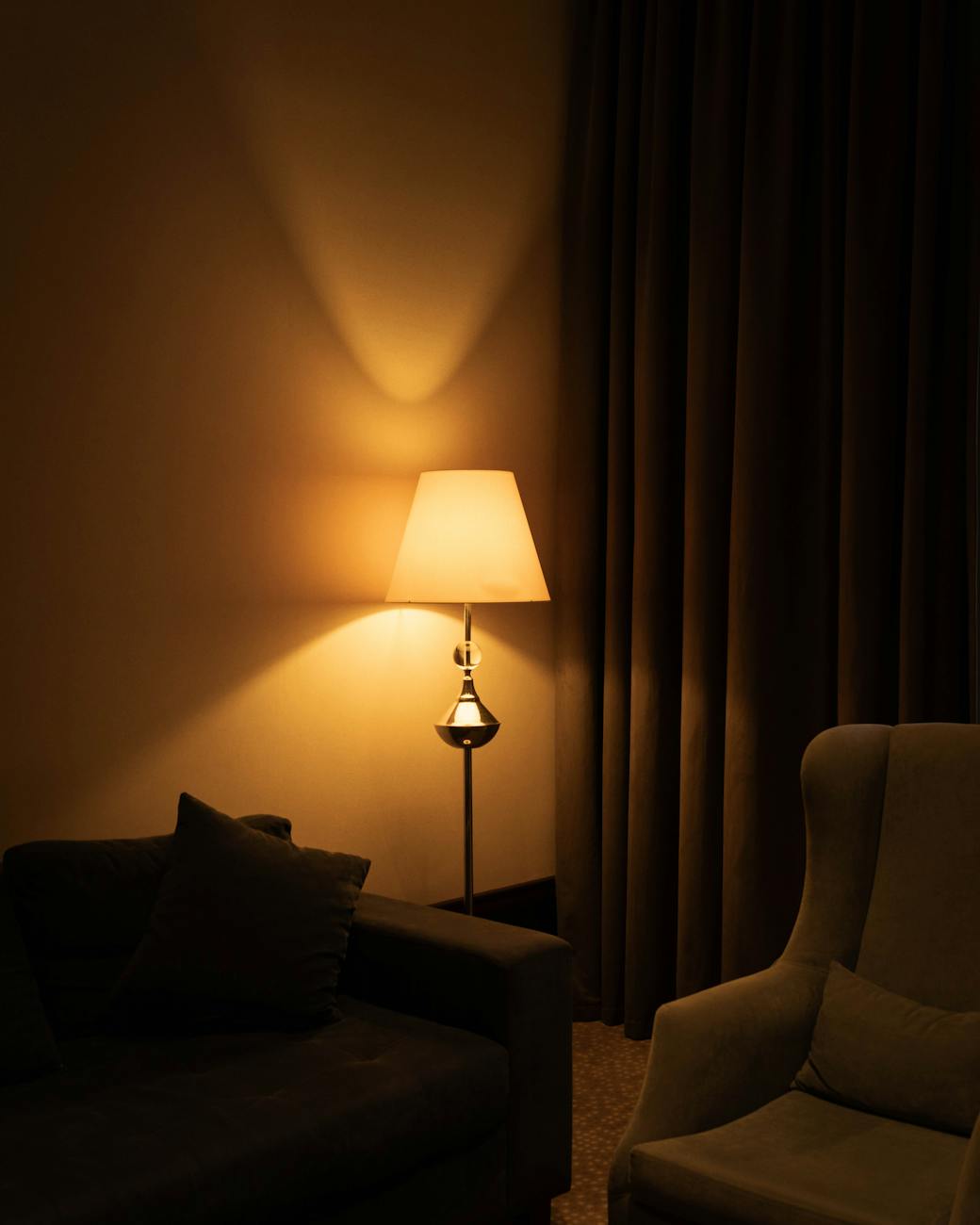
The Mechanics of Light: Building Depth with Layered Lighting Cozy Home Decoration
The feeling of coziness is not accidental; it is engineered through intentional illumination. We observe from the data that a single, overhead source fails to replicate the nuanced, enveloping warmth that defines a truly cozy space. True atmospheric depth arises when we manipulate light across multiple planes, creating zones of intimacy and function within a single room. This process, known as layered lighting cozy home decoration, moves beyond mere illumination; it becomes an architectural strategy for mood control.
Understanding the Three Pillars of Illumination
To effectively layer light, one must first understand the functional differentiation between ambient, task, and accent lighting. Each category serves a distinct purpose in establishing the psychological atmosphere of a space. Ambient lighting establishes the baseline mood, setting the overall tone across the entire area. Task lighting provides focused illumination where activity occurs, ensuring functionality without harshness. Accent lighting draws attention to specific architectural features or decorative elements, injecting visual interest and depth.
Ambient light dictates the general emotional register. Think of it as the soft glow emanating from indirect sources, perhaps diffused uplights or dimmable floor lamps. This is the foundational layer that prevents a room from feeling stark or aggressively lit. Task lighting focuses energy precisely where it is needed; for example, a focused beam above a reading nook or beneath a kitchen cabinet serves an immediate functional purpose. Accent lighting operates at the most granular level, highlighting the texture of a woven throw blanket or the intricate carving on a piece of furniture. When these three mechanisms interact correctly, the resulting environment achieves a rich, multi-dimensional experience.
Establishing the Ambient Foundation
The ambient layer forms the psychological bedrock of any cozy space. We achieve this effect by deliberately avoiding singular, harsh light sources. Instead, we utilize diffused light sources that scatter illumination gently across surfaces. For instance, placing dimmable bulbs on dimmer switches allows occupants to modulate intensity based on the time of day or the desired level of relaxation. Observing how light interacts with matte surfaces versus reflective ones reveals the impact of this layer. Soft fabrics absorb stray light, deepening shadows and enhancing tactile softness.
When designing ambient lighting cozy home decoration, consider the color temperature carefully. Warm-toned bulbs, typically in the 2700K to 3000K range, stimulate the production of melatonin, promoting relaxation. Cooler tones should be reserved for functional areas where alertness is required, such as a workspace. The key mechanism here is control; the ability to smoothly transition between these temperatures allows the environment to adapt dynamically to human comfort levels.
Integrating Task Lighting for Functional Warmth
Task lighting serves the practical function of providing focused light for specific activities. This layer ensures that necessary functions occur without introducing visual clutter or glare. In a living area, this might manifest as an elegant floor lamp positioned next to a favorite armchair, creating an intimate reading circle. In a kitchen setting, under-cabinet strip lighting eliminates shadows on countertops while providing ample visibility for food preparation.
The positioning of task lights is critical for coziness. We position these fixtures to illuminate the activity itself, rather than simply illuminating the entire room equally. By directing light onto a specific object or surface, we draw the eye to that focal point, naturally segmenting the space into zones of utility. This focused attention minimizes overall light exposure while maximizing functional visibility.
Utilizing Accent Lighting for Textural Depth
Accent lighting is where the decorative element truly gains dimension. This layer manipulates visual hierarchy by selectively highlighting specific objects or architectural details. Imagine a wall displaying woven art or a shelf filled with curated ceramics; placing a narrow-beam LED strip directly onto these items amplifies their texture and presence. This technique forces the viewer to engage with the materiality of the objects rather than just viewing them passively.
This plays beautifully against textural elements throughout the home. When pairing strategic accent lights with soft textiles, the contrast enhances the tactile experience. For example, highlighting a heavily textured wool rug with warm, focused light emphasizes its depth and softness. This interplay between light and texture is what elevates a simple arrangement into a rich sensory environment. Consider how this concept translates to bathrooms; creating a spa-inspired atmosphere relies on accentuating stone textures and soft towels.
Orchestrating the Synergy for Ultimate Cozy Home Decoration
The true achievement in layered lighting cozy home decoration occurs when these three layers operate in synchronized harmony. A room lacks coziness if one layer dominates; instead, success lies in the subtle, overlapping influence of all three systems working together. We are not simply adding lights; we are engineering an experience.
We observe that mixing light sources—a soft ambient wash, a focused task beam, and a targeted accent glow—prevents visual monotony. The transition from one illuminated zone to another creates visual pathways that guide the eye smoothly through the space. This intentional interplay prevents the lighting scheme from appearing merely functional; it becomes an immersive experience designed for relaxation and comfort.
When designing these systems, pay close attention to fixture placement and beam angles. Avoid harsh spotlights directly into faces. Instead, use indirect methods wherever possible. Consider how ambient light interacts with nearby materials. If you introduce soft textiles, the way the light skims across the fabric must be warm and inviting. This connection between the light quality and the physical texture of the décor solidifies the cozy effect.
Layered lighting is not a trend; it is a sophisticated method for manipulating spatial perception using physics. By controlling the intensity, color temperature, and directionality of light, we directly influence mood and perceived comfort. Mastering this technique allows you to transform an ordinary room into a sanctuary where every surface, every texture, and every moment feels intentionally warm. Start experimenting with these principles today and observe the profound shift in your home environment.
Tags: layered lighting, cozy home decoration, warm lighting, interior design, home decor tips, lighting design, cozy living
Featured Image by saw sing on Pexels.