
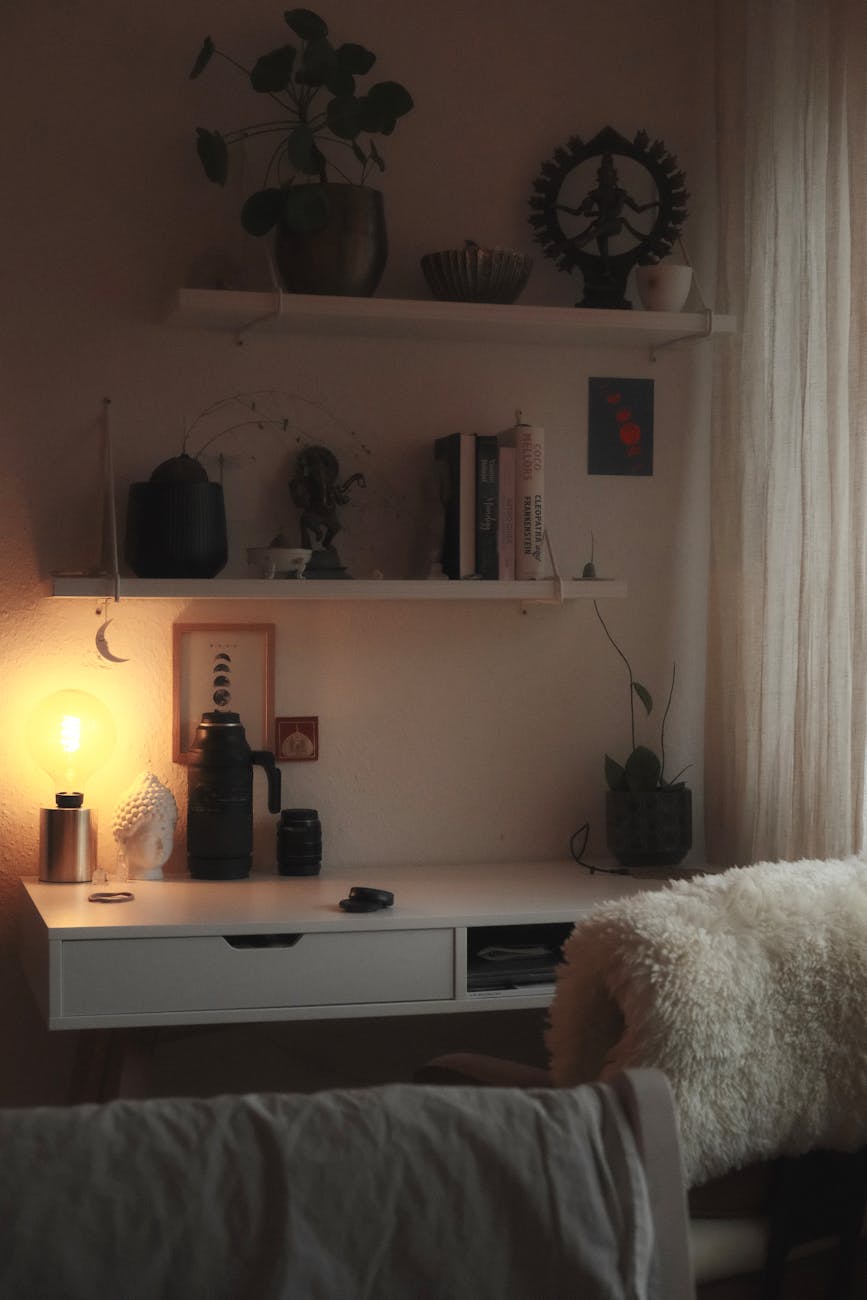
The Tactile Science of Cozy Home Office Decor
We build our environments not just for function but for psychological resonance. When designing a space intended for sustained focus and personal well-being, the sensory input becomes a critical variable in the design equation. Specifically, how we interact with surfaces dictates our perceived comfort level. We observe that the visual appeal of an area is only half the story; the tactile experience governs the depth of immersion into that space. This principle applies intensely to the home office, transforming a mere workstation into an actual sanctuary.
The goal of integrating tactile elements into a **cozy home office decor** scheme is to modulate ambient anxiety and promote sustained concentration. We are manipulating sensory feedback loops. Softness, warmth, and natural grain introduce subtle, subconscious cues to the brain that signal safety and invitation. This is not merely aesthetic dressing; it is applied environmental psychology.
Deconstructing Texture: The Mechanism of Tactile Comfort
Texture operates as a primary channel for non-verbal communication between the occupant and their physical surroundings. Rough, cold surfaces tend to stimulate alertness and rigidity, whereas soft, yielding materials encourage relaxation and lingering. In an office setting where prolonged sitting is required, this manipulation becomes essential for mitigating the mental fatigue associated with high cognitive load.
Consider the materiality of your desk surface. A cool, hard laminate transmits a sense of sterile efficiency. Conversely, introducing elements like a thick felt desk mat or a slab of warm, reclaimed wood changes the interaction dynamic entirely. The friction experienced by the hands, the visual depth created by the weave of the fabric, these are mechanisms that engage tactile memory pathways. We move from processing pure visual data to incorporating kinesthetic feedback into the daily routine.
We see this effect amplified when considering larger area textiles. A heavy wool throw draped over an armchair or a thick rug beneath the desk anchors the space. This physical grounding prevents the visual field from feeling too expansive and overwhelming. When we analyze the visual composition, the presence of deep textures effectively reduces perceived visual clutter because the eye is engaged by the surface detail rather than scanning empty planes.
Selecting Materials for Cognitive Flow
The selection process demands an analytical approach focused on material properties and their resultant thermal and tactile qualities. Natural materials possess inherent qualities that promote a sense of organic connection, which directly counters the artificiality often present in modern office infrastructure. Wood, for instance, carries a visual and implied warmth derived from its cellular structure; the visible grain acts as a natural focal point, offering an organic counterpoint to digital screens.
When pairing wood tones with softer materials, we establish a deliberate contrast that deepens the cozy effect. A dark walnut surface paired with a creamy, nubby knit throw creates a sophisticated tension. This juxtaposition prevents the space from becoming either overly rustic or overtly soft; it achieves a balanced state of grounded yet inviting. We are calibrating the sensory input to optimize focus.
The implications extend beyond the immediate workspace. The tactile experience should extend across the entire dwelling. If we establish this principle in the office, we create continuity in our living spaces. For instance, moving this textural philosophy into a reading nook, such as a Hygge Bathroom Reading Nook: Cozy Decor Ideas, reinforces the concept that sensory comfort is portable and context-dependent. Both environments rely on the same mechanism: using texture to signal intentional refuge.
Layering for Depth and Sensory Richness
The principle of layering is fundamental to achieving sophisticated coziness rather than simple surface decoration. Layering involves stacking materials with differing densities, light absorption rates, and tactile profiles. This creates visual and physical depth that engages the viewer’s attention sequentially. A single flat surface lacks this dimensionality; a layered arrangement invites closer inspection and deeper engagement.
When styling an office, we must think about layering textiles around the functional elements. Think of the chair: selecting an upholstered seat with a rich texture—velvet, heavy linen, or boucle—immediately elevates the entire visual weight of the area. This choice dictates how one physically sits, influencing posture and mental state throughout the workday.
We observe that incorporating textural variation across surfaces prevents visual monotony. Imagine a desk setup where smooth metal hardware is juxtaposed against a richly woven coaster or a soft leather blotter pad. This interplay forces the eye to slow down and register the difference in material language. It shifts the perception of the space from functional workspace to curated environment.
This layering technique mirrors principles seen elsewhere in interior design. When we consider how depth affects perception, techniques like Layering Rugs: Mastering Depth in Your Living Room demonstrate this effect perfectly on a larger scale. The principle remains identical: varying surface quality creates an experience richer than any single material could provide alone. We are building sensory strata within the architecture of our home.
Implementing Tactile Elements Strategically
To effectively implement **cozy home office decor** using tactile textures, we must move beyond random placement and adopt a strategic approach based on function and flow. Identify the areas where prolonged physical contact occurs or where visual fatigue is highest. These zones require the most intentional textural investment.
For example, the area immediately surrounding the monitor and keyboard benefits from materials that feel grounded under the wrists and forearms. A weighted felt pad provides this tactile anchor. Near the seating area, introducing a substantial throw blanket signals an invitation to rest. The material choice must align with the intended use; synthetic fabrics might offer sleekness but lack the necessary thermal and tactile invitation that natural fibers provide for sustained comfort.
We analyze the light interaction as well. Rougher, matte surfaces absorb light in a way that feels enveloping and warm, reducing harsh reflections that can contribute to visual stress. Highly polished surfaces reflect light sharply, which can feel clinical. Therefore, prioritizing matte textures—raw wood finishes, woven wools, matte ceramics—is a technique for softening the overall visual field.
This deliberate deployment of texture serves a direct cognitive function. It provides accessible, non-verbal information about the environment’s safety and invitation level. We are engineering an atmosphere where the physical presence reinforces the desired mental state of calm productivity. The tactile experience becomes an active participant in workflow management. Ultimately, transforming the home office requires understanding that comfort is not an add-on; it is a foundational material property woven into the very fabric of the design.
Tags: cozy home office decor, home office styling, tactile decor, textile design, cozy living, workspace comfort, home decor
Featured Image by Laura Cleffmann on Pexels.