
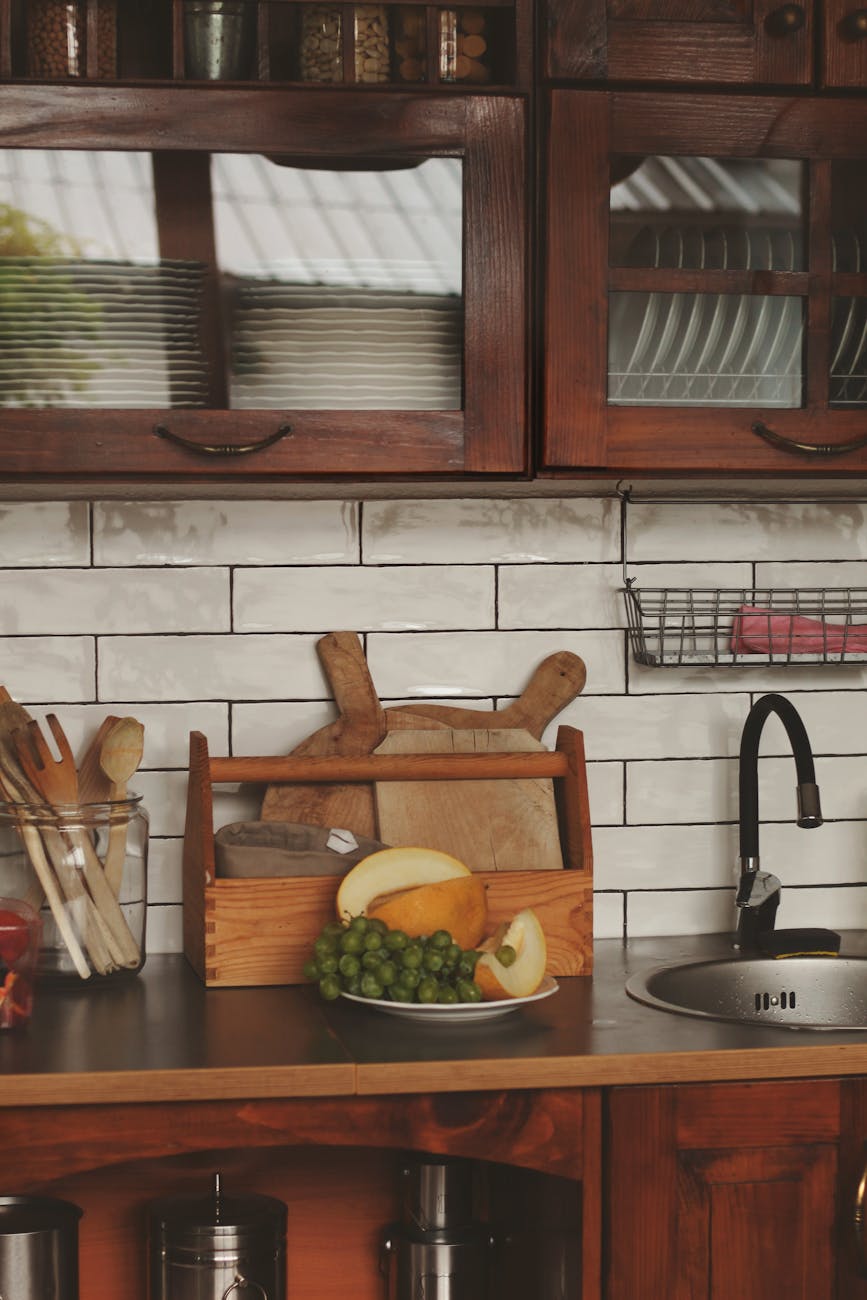
Optimizing Flow: Integrating Cozy Kitchen Storage into Your Dining Experience
The dining space functions as more than just a place for meals; it is a nexus of domestic activity, demanding organization that mirrors the desired atmosphere. When we address **cozy kitchen storage**, we are not merely talking about placing things in cabinets. We are analyzing how functional design directly manipulates sensory experience—how accessibility influences mood and the overall aesthetic coherence of the dining area. We observe from the data that clutter introduces visual noise, actively disrupting the sense of calm essential for a truly cozy environment.
The mechanism at play here is spatial psychology. When surfaces remain disorganized, the brain expends unnecessary cognitive energy processing visual chaos, which counteracts any attempt to establish serenity. Effective storage systems mitigate this friction by creating predictable, contained zones for items. This controlled arrangement allows the eye to rest and focus on the textures, light, and connections between the elements of the room. We must therefore treat kitchen organization as an exercise in atmospheric engineering, not just practical housekeeping.
The Impact of Storage Density on Ambiance
The visual weight of a dining area is heavily influenced by what occupies the visual field. Overstuffed cabinets or overflowing drawers create a sense of heaviness, visually compressing the space and immediately diminishing perceived coziness. Conversely, employing smart storage solutions allows for deliberate curation of what is displayed versus what is concealed. We are looking to reduce visual clutter so that the existing decor—the wood tones, the textiles, the lighting—can take precedence in defining the warmth.
Consider the materials themselves. Natural wood grain absorbs light differently than highly reflective, mass-produced plastics. When storage solutions utilize materials that complement this natural palette, the transition from functional necessity to aesthetic pleasure becomes seamless. This is where the concept of **cozy kitchen storage** transcends mere utility and enters the realm of interior design strategy. We are engineering an environment where function supports feeling.
Designing for Accessibility in Dining Zones
A truly cozy dining experience requires that essential items are readily accessible without resorting to visual clutter. The placement of frequently used items directly impacts daily rituals, creating either frustrating bottlenecks or smooth transitions. We need systems that facilitate effortless retrieval, allowing the focus to remain on the shared experience at the table rather than the chore of finding misplaced utensils or linens.
Think about the workflow. If essential serving ware is buried deep within opaque containers, the act of setting the table becomes an additional hurdle. Smart storage dictates that items must be stored where their use frequency dictates. This involves segmenting storage based on usage patterns: daily needs versus seasonal reserves. Implementing drawer dividers and vertical stacking techniques allows for efficient density without sacrificing usability. We are optimizing the physical pathway between the storage point and the point of use.
Material Choices: Texture as a Storage Element
The tactile experience is intrinsically linked to the feeling of coziness; we interact with our environment through touch as much as sight. Incorporating textural elements into kitchen storage elevates the functional objects into decorative components. For instance, using woven baskets or felt organizers introduces organic texture that immediately softens the hard lines often associated with cabinetry and metal. This approach bridges the gap between utility and the soft aesthetic we strive for in a cozy home.
We observe that introducing rich textiles into functional areas amplifies warmth significantly. When you store linens, mugs, or pantry goods within natural linen or thick cotton containers, the storage itself contributes to the room’s tactile narrative. This strategy directly feeds into broader design principles; understanding how fabric interacts with space is crucial for achieving a layered, inviting atmosphere. Explore techniques like layering fabrics for ultimate cozy ambiance to see this principle in action across your home décor.
Color Psychology and Storage Integration
The color scheme we adopt has a profound effect on the perceived temperature of a space. Warm tones inherently foster a sense of comfort, while cooler tones can feel more clinical. When selecting the materials for kitchen storage, we must align the chromatic choices with this psychological response. Utilizing muted earth tones or soft neutrals within your organizational bins ensures that the storage system recedes rather than demanding attention.
When integrating color into these solutions, consider palettes designed for serenity. Soft, diffused colors reduce visual stimulation, allowing the space to settle into a state of relaxed equilibrium. This is particularly effective when pairing kitchen organization with softer aesthetics; exploring soft airy palettes for serene spaces provides a framework where even functional elements contribute positively to the overall mood. The goal becomes creating an environment where functionality is felt gently, not aggressively.
Moving Beyond Cabinets: Rethinking Dining Storage
The dining space demands storage solutions that integrate seamlessly into its aesthetic narrative. Relying solely on standard cabinetry often results in dead space or visually heavy arrangements. We must look beyond the traditional boundaries of the kitchen to create integrated storage opportunities directly adjacent to the dining experience. This involves utilizing open shelving strategically, allowing curated decorative pieces and carefully selected items to contribute to the visual story.
Open shelving transforms functional storage into display opportunities. Arrange ceramics, artisanal serving pieces, or beautifully bound cookbooks on these shelves. This strategy shifts the focus from hiding things to showcasing curated collections. It reinforces the idea that what is stored is valued, enhancing the feeling of intentionality within the space. We see that this approach amplifies the cozy effect dramatically because it invites engagement with the objects themselves.
Practical Implementations for Elevated Storage
Implementing **cozy kitchen storage** effectively involves specific procedural steps rather than random purchasing. First, conduct an inventory of items to determine true necessity versus accumulated surplus. Second, select modular containers made from complementary materials—think matte ceramics, aged wood, or heavy-duty canvas. Third, establish zones based on frequency: high-use items near the front for easy access, and less frequently accessed items stored higher up or deeper within systems.
We find that vertical storage maximizes the utility of often-wasted vertical space. Utilizing tiered risers or tall, narrow organizers allows items to be seen while maintaining organized density. This physical arrangement dictates the visual flow. When we organize vertically, we are managing light and shadow across the surface plane in a way that enhances depth and perceived spaciousness simultaneously. The result is a storage system that functions silently, supporting the warm, inviting atmosphere you seek.
Tags: kitchen storage, cozy decor, kitchen organization, dining space, home organization, kitchen design, cozy home
Featured Image by Ioana Motoc on Pexels.