
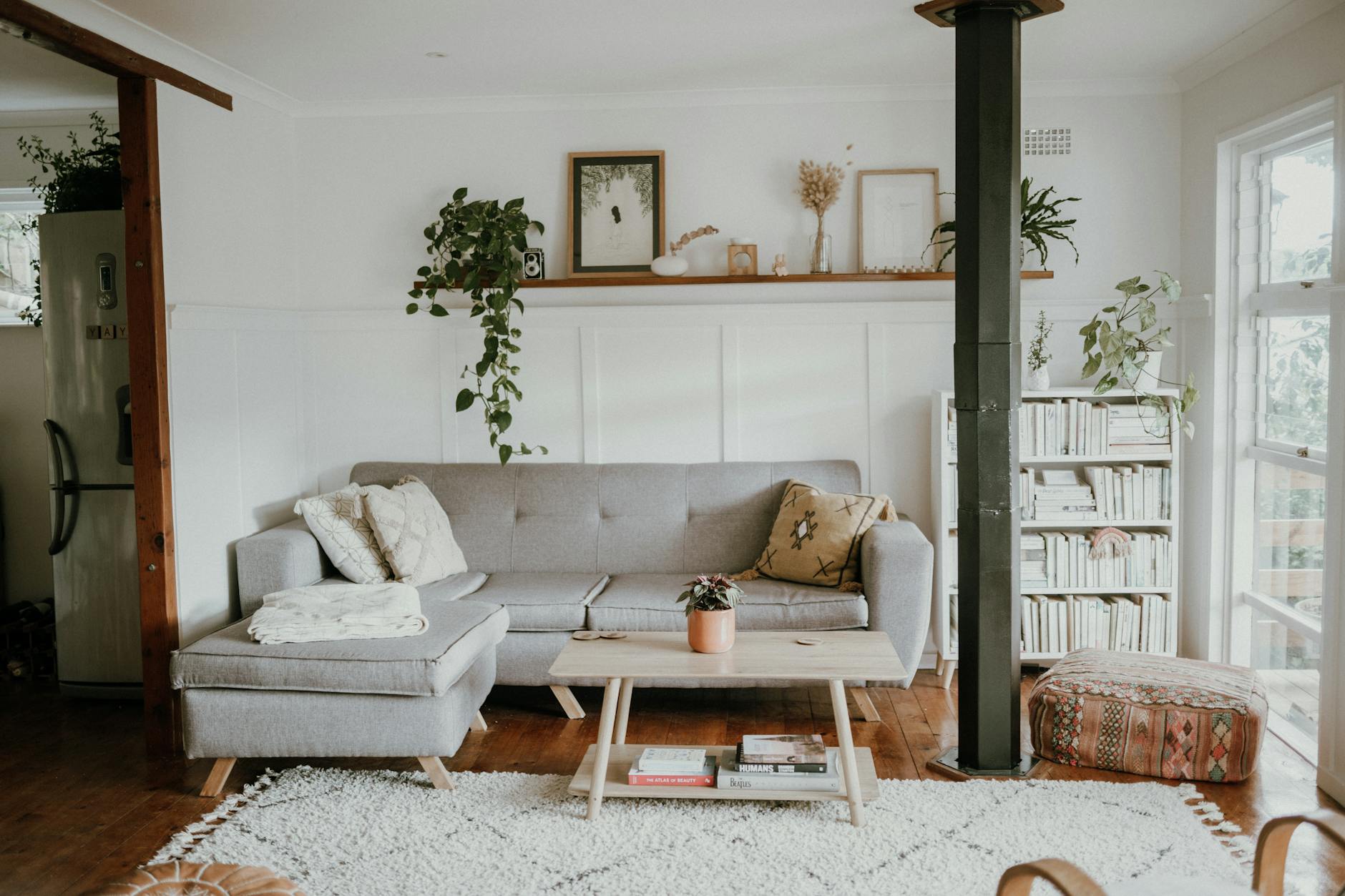
Deconstructing Hygge Interior Design: The Psychology of Scandinavian Comfort
We examine the concept of hygge not merely as a fleeting aesthetic trend, but as a demonstrable psychological framework for spatial design. It operates on the principle of intentional sensory curation, manipulating environmental inputs to elicit feelings of deep contentment and security. Observing successful implementations of this philosophy across various Nordic contexts reveals a consistent mechanism: the deliberate juxtaposition of minimalist forms with abundant, tactile warmth. This is more than just placing a soft blanket on a sofa; it is engineering an atmosphere where cognitive load decreases and emotional resonance increases through carefully managed light, texture, and materiality.
The Mechanics Behind Hygge: Sensory Input and Spatial Perception
The efficacy of hygge interior design lies in its manipulation of human sensory perception. We observe that environments rich in soft, diffused lighting actively suppress the stress response associated with harsh, direct illumination. Natural light, when filtered through sheer fabrics or positioned strategically near large windows, modulates circadian rhythms effectively. This gentle illumination signals safety to the brain, allowing the nervous system to shift from an alert state to a relaxed state.
Texture plays an equally critical role in this mechanism. The tactile experience of surfaces directly influences perceived comfort. Rough, cold materials signal austerity; conversely, the introduction of wool, linen, chunky knits, and soft furs engages somatosensory receptors in a way that signals physical safety and invitation. When designing a space according to hygge principles, we are intentionally increasing the surface area of sensory engagement. This is why layering textiles becomes an essential practice; it creates micro-environments within a larger space, allowing occupants to customize their immediate physical experience. For instance, understanding how textiles interact with light and touch informs the entire design strategy. Read our guide on Beginner’s Guide to Layering Textiles for Cozy Home Decor to see the practical application of this layering principle.
Materiality: The Foundation of Scandinavian Aesthetics
The selection of materials anchors the hygge experience in authenticity. Scandinavian design prioritizes natural, untreated elements. We see a strong preference for light woods—birch, ash, and oak—which possess inherent warmth through their grain patterns and muted tones. These wood surfaces provide an organic backdrop that resists the harshness often associated with highly polished, artificial materials. The visual texture of the wood itself offers a grounding element against which softer elements can be layered.
Contrast this with the deliberate use of matte finishes over high gloss. High reflectivity tends to introduce visual harshness and glare, directly counteracting the desired feeling of cozy containment. Matte surfaces absorb light gently, contributing to the soft illumination characteristic of hygge environments. This material choice ensures that the space feels enveloping rather than exposed. Our analysis suggests that minimizing reflective surfaces allows the focus to remain on the tactile quality of the materials present in the room.
Curating Light: The Architect of Atmosphere
Light is arguably the most potent tool in achieving the hygge interior design effect. The goal is not simply illumination, but atmospheric sculpting. We move away from single, bright overhead sources toward layered lighting strategies. This involves incorporating ambient light—soft, indirect sources that fill shadows—and task lighting that offers focused warmth where needed.
We observe that warm-toned light, typically below 3000 Kelvin, is essential for signaling coziness. Cooler, bluer light encourages alertness, which runs counter to the relaxing mandate of hygge. Implementing dimmers and utilizing lamps rather than harsh overhead fixtures allows occupants to modulate intensity according to the time of day or their desired level of relaxation. Think about how ambient light shifts throughout the evening; it gradually softens the boundaries of the room, fostering a sense of intimate enclosure. This deliberate control over luminosity transforms a functional space into a sanctuary.
Embracing Simplicity: The Principle of Intentional Editing
A core tenet of Scandinavian design, deeply intertwined with hygge, is intentional editing. This involves a disciplined approach to decluttering, focusing only on objects that serve a clear functional or emotional purpose within the space. Excess visual noise creates cognitive friction; it demands attention and prevents the mind from settling into a state of calm. When we reduce the volume of décor, the remaining items gain amplified significance.
This process requires rigorously assessing every object’s contribution to the overall feeling. If an item does not contribute to comfort, functionality, or aesthetic harmony, its removal enhances the hygge effect exponentially. The resulting space feels breathable and open simultaneously, a paradox achieved through restraint. This clarity allows the inherent warmth of the materials and light to become the dominant design features rather than competing with extraneous objects.
Creating Personal Sanctuaries: Functional Comfort Zones
The application of hygge extends beyond general room decor; it involves designing specific zones dedicated to personal comfort. This is particularly evident when considering functional areas, such as a home office or reading nook. These spaces require specialized attention to sensory input because they serve as anchors for focused relaxation.
Consider the design of a cozy home office sanctuary. The environmental controls here must be precise. We need sound dampening to minimize external auditory distractions. Scent profiles can subtly influence mood; incorporating warm, grounding aromas assists in psychological decompression. Texture must remain inviting against which one works. When structuring these zones, we move from general comfort to highly specific sensory management. Explore the principles guiding this focused environment by reviewing our guide on Cozy Home Office Sanctuary: Sound, Scent & Texture Guide. The successful integration of these elements dictates how effectively a space supports deep concentration or restorative rest.
Synthesizing the Hygge Experience
Ultimately, achieving authentic hygge interior design involves integrating these principles into a cohesive system rather than applying discrete decorative elements randomly. It is a holistic process where material choices inform lighting schemes, which in turn dictate textile layering and spatial arrangement. The resulting environment feels intentionally crafted, deeply personal, and profoundly comfortable. We are designing spaces that actively support human well-being by providing sensory reassurance. This approach moves interior design from mere surface decoration to the deliberate cultivation of an emotional state within the physical space. The sustained success of this style rests on understanding that comfort is not something purchased; it is something engineered through careful, mindful sensory integration.
Tags: hygge, scandinavian design, cozy home, interior design, hygge decor, nordic style, cozy living
Featured Image by Taryn Elliott on Pexels.