
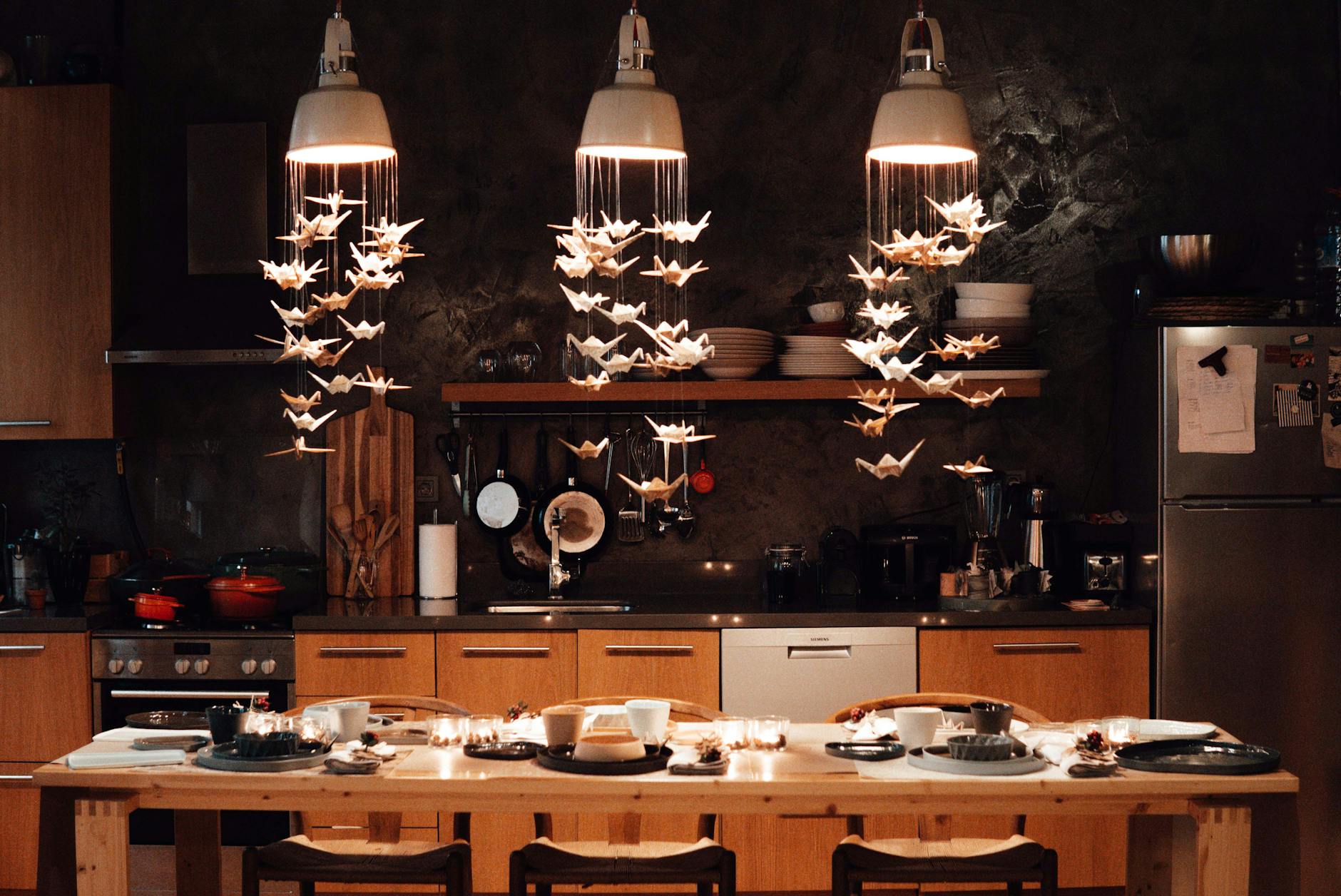
The Science of Illumination: Engineering Warmth in Your Culinary Space
The environment we construct around our daily routines profoundly impacts our physiological state. This principle applies intensely to the kitchen, a space where sustenance is prepared and shared, demanding an atmosphere that supports relaxation and connection rather than mere utility. We are not simply placing light bulbs; we are manipulating the spectral composition of the room to influence mood and perception. Understanding how cozy kitchen lighting functions requires looking past simple aesthetics toward the interplay between color temperature, intensity, and fixture placement.
Our observation suggests that harsh, cool-toned lighting—typically above 4000 Kelvin—triggers alertness. This is a biological response calibrated for tasks like reading or focused work. Conversely, warmer light, operating in the 2700K to 3000K range, stimulates melatonin production and promotes feelings of safety and intimacy. When designing a dining area within the kitchen, we must deliberately engineer this shift. The goal is to transition the space from a functional workspace into a restorative retreat where lingering over a meal feels inherently comforting.
Deconstructing Color Temperature for Dining Ambiance
The selection of light temperature is the most direct lever we possess in manipulating the emotional tone of a room. We observe that the human visual system processes wavelengths differently depending on the context; this concept is critical when setting the scene for dining. Light sources emit photons, and their spectral distribution dictates how our brains interpret the environment.
For optimal dining ambiance, aiming for 2700K to 3000K provides that desirable amber glow. This lower Kelvin value mimics the warm tones of candlelight or incandescent bulbs, which naturally evoke feelings associated with hearth and home. When we introduce these warmer tones into the kitchen, the visual field softens; shadows become richer, textures appear deeper, and surfaces reflect a gentle warmth rather than stark brightness.
We see this effect amplified when pairing lighting with tactile elements. A warm light interacts beautifully with rich wood grains, matte ceramics, and soft textiles. This synergy is what transforms a functional area into a sensory experience. Imagine setting a table; the quality of the illumination directly affects how we perceive the food and each other. It encourages slower eating and deeper conversation.
Layering Light: Beyond the Single Fixture
Relying on a single overhead light source fails to achieve true depth or coziness. Effective ambient design necessitates layering light sources, creating distinct zones of illumination rather than uniform brightness. This layered approach allows for nuanced control over the atmosphere throughout the day.
We implement three primary layers in any dining area: ambient, task, and accent lighting. The ambient layer provides the overall mood—this is where your cozy kitchen lighting temperature dictates the baseline feeling. Task lighting focuses illumination directly onto functional areas, such as a countertop where food preparation occurs. Accent lighting draws attention to architectural features or decorative objects, adding visual interest without overwhelming the space.
When integrating these layers, consider the physical mechanism of light diffusion. Direct, harsh spotlights create high contrast that feels dramatic but not necessarily cozy. Soft, indirect illumination, achieved through fixtures with diffusers or layered sources, minimizes harsh shadows and allows light to wrap softly around objects. This is crucial for achieving that enveloping feeling we seek in a home environment.
Fixture Selection: Materiality Meets Light Quality
The physical fixture itself acts as an artifact in the lighting design process. The material choice dictates how light interacts with it, profoundly affecting the final perceived warmth. Metals like brushed brass or antique bronze reflect light differently than stark white aluminum; they introduce subtle tonal variations that enhance the sense of history and richness.
We analyze finishes based on their reflectivity index. Matte surfaces absorb more light, creating soft shadows, which inherently contributes to a calmer atmosphere. Highly reflective surfaces bounce light sharply, which can feel energetic. For a cozy setting, we favor materials that diffuse light gently.
Consider the transition from the kitchen to adjacent living spaces. Consistency in material palette helps unify the flow of warmth. If your dining area utilizes natural wood tones, pairing this with warm-toned fixtures reinforces the organic feeling. This holistic consideration extends beyond the immediate area; it connects to broader principles of creating a sanctuary, much like establishing a cozy home office sanctuary requires careful attention to texture and light.
Integrating Natural Light and Artificial Sources
Natural daylight cycles through a spectrum that shifts throughout the day, offering dynamic opportunities for ambiance control. During midday, abundant natural light can be beneficial, reducing the need for intense artificial illumination. However, as evening approaches, the reliance on interior sources intensifies. This is when the intentionality of our lighting design becomes paramount.
When integrating artificial sources with daylight, we must manage the contrast carefully. If you have large windows, utilizing sheer drapery or strategically placed light filters allows natural light to enter softly, blending seamlessly with your chosen warm interior glow. This creates a continuous spectrum of illumination rather than an abrupt transition between bright exterior and dim interior.
The mechanism here involves managing luminance ratios. A successful transition avoids jarring shifts in brightness levels across the room. We seek a gentle gradient where artificial warmth complements the fading daylight, fostering a sense of peaceful retreat as the day concludes.
Practical Application: Dining Scene Engineering
Applying these principles to the actual dining experience requires intentional staging. Think about how the light impacts the food itself; warm tones enhance the perceived richness of colors—the reds of a tomato, the deep browns of roasted meat—making the sensory experience more appealing.
When preparing for a meal, adjust your lighting scheme accordingly. Dimming overhead lights and turning up carefully placed lamps shifts the focus entirely to the table. This intentional reduction in overall luminance signals to the brain that it is time to slow down and engage with the present moment. It creates an intimate bubble around the dining experience.
We observe that placing light sources at eye level, rather than pointing them directly down, also contributes significantly to coziness. Light cast from above can feel imposing; light diffused across a table surface feels inclusive and enveloping. This technique works whether you are setting a formal dinner or enjoying a casual family meal. It fosters shared focus.
The management of these subtle sensory inputs is a form of environmental psychology applied directly to interior design. By mastering the manipulation of light quality, we actively engineer an atmosphere conducive to relaxation, connection, and deep contentment within our personal spaces.
Tags: kitchen lighting, warm tones, home decor, dining ambiance, cozy home, interior design, lighting tips
Featured Image by furkanfdemir on Pexels.