
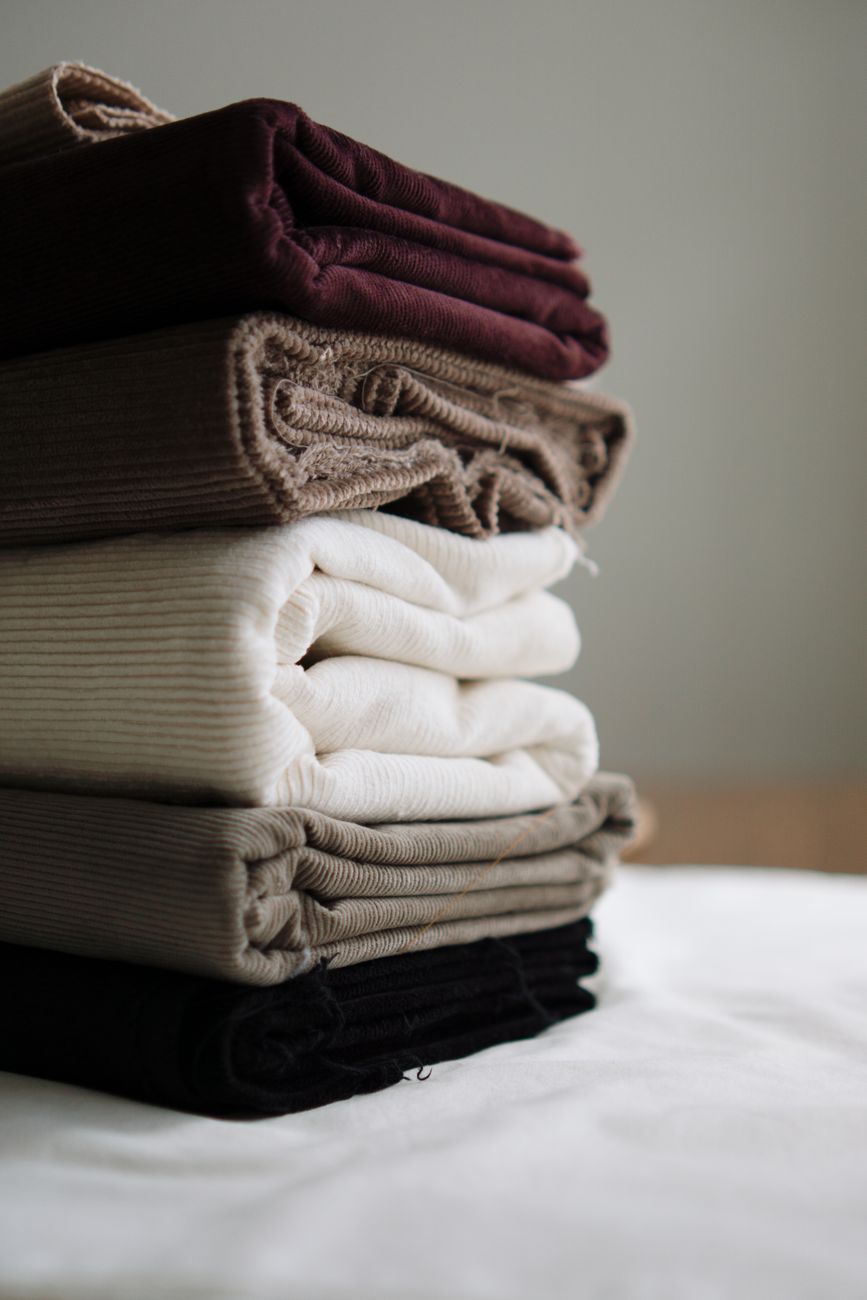
The Science of Tactility: How Fabric Layering Manipulates Perceived Warmth
We seek environments where sensory input translates directly into psychological comfort. Interior design, at its core, becomes a study in material science when we focus on textiles. The way fabrics interact with light, air currents, and human touch dictates the perceived temperature of a space far more than simple thermostat settings ever will. Mastering fabric layering is not merely an aesthetic choice; it is an applied physical mechanism for regulating thermal perception within our homes.
The strategic placement of different material weights and textures creates microclimates. Imagine draping a heavy wool throw over a lighter linen sofa. This juxtaposition immediately signals depth and invitation. Our visual system registers the difference in surface density, prompting the brain to interpret the space as more enveloping, more secure. We observe this effect consistently across numerous studies on human-environment interaction.
Deconstructing Material Properties for Thermal Impact
Understanding the intrinsic properties of textiles is the first step toward intentional design. Different fibers possess distinct thermal and acoustic qualities that influence how we experience a room. Wool, for instance, has an exceptional capacity to trap air, creating insulation properties that resist conductive heat loss effectively. Linen, conversely, offers a breathable, cool surface, excellent for warmer climates or spaces requiring high airflow. Velvet introduces a different dimension entirely; its dense pile absorbs light and sound, contributing significantly to the visual richness of a space.
When we discuss **fabric layering interior design**, we are essentially mapping these properties onto spatial arrangements. A single layer provides coverage. Multiple layers create complexity. This complexity engages our tactile senses more fully, moving the experience from passive observation to active engagement. We are not just looking at decor; we are feeling the environment.
The Mechanism of Visual and Tactile Depth
The layering process functions by manipulating light reflection and shadow play across surfaces. A flat expanse of a single texture offers uniform visual information. Introducing varying textures disrupts this uniformity, creating visual pathways that draw the eye around the room. Shadows cast by draped fabric deepen the perceived contours of furniture, making objects feel more grounded and substantial.
Consider how this layering affects specific functional zones. In a reading area, draping a soft blanket over an armchair establishes an immediate zone of intimacy. This physical enclosure signals to the occupant that this space is dedicated to repose. For those setting up a reading nook, understanding this principle is paramount; pairing a soft, dense textile with carefully chosen lighting creates a holistic sensory experience. Explore some ideas on how to build a great spot for relaxation by checking out our guide on [Beginner’s Guide to a Cozy Reading Nook](https://decorandliving.com/beginners-guide-cozy-reading-nook-4/).
Selecting the Right Material Palette for Layering
The selection of materials must be dictated by the desired outcome—whether that is enveloping warmth, airy elegance, or rich depth. For achieving profound coziness, we often gravitate toward natural fibers with high loft and excellent thermal retention capabilities. Wool excels here; its crimp structure traps air pockets efficiently, offering superior insulation against ambient coolness. Linen provides a beautiful counterpoint because its relaxed weave allows for necessary airflow, preventing the layered space from feeling suffocating.
Velvet introduces a luxurious, light-absorbing quality. When used judiciously in layering, it functions to absorb harsh light, softening shadows and amplifying the sense of enclosure without sacrificing the feeling of warmth. We observe that mixing these materials prevents any single texture from dominating the entire visual field. A successful layer combines the insulating power of wool with the tactile softness of velvet, offset by the crispness of linen.
Integrating Light into the Tactile Narrative
Light interacts dynamically with layered fabrics, altering their perceived color and texture throughout the day. Direct sunlight can flatten the depth of a richly textured surface; indirect, diffused light allows the subtle variations in weave and pile to emerge clearly. This is where lighting design becomes inseparable from textile selection. When setting up ambient illumination, focusing on soft, warm sources amplifies the inviting nature of the fabric choices.
The relationship between light and texture is crucial for creating ambiance. A well-lit space feels energetic; a dimly lit space feels contemplative. Layered lighting techniques work hand-in-hand with fabric layering to manage this dynamic effectively. For example, using indirect lighting across textured surfaces allows shadows to define the depth created by the textiles, enhancing the sense of cozy retreat. Review our analysis on [Layered Lighting for Cozy Home Ambiance](https://decorandliving.com/layered-lighting-cozy-home-3/) to see how light manipulates these physical arrangements.
Practical Application: Creating Cohesive Textile Schemes
Creating a successful fabric layering scheme requires an awareness of scale and placement. Large items, like throws or curtains, define the overall mood of a zone; smaller items, like accent pillows or runners, provide the fine-tuning detail that invites tactile exploration. We must think about how these elements interact spatially, ensuring visual harmony rather than mere accumulation.
Start with establishing the largest anchors—the sofa, the bed, or the major window treatments. These foundational pieces dictate the overall volume of the space. Then, introduce mid-level layers, such as substantial throws or accent pillows, which define the immediate tactile experience for the user. Finally, incorporate fine details, like textured rugs placed beneath seating or delicate linen runners draped over a console table. This progression ensures that coziness builds incrementally, from macro to micro.
This careful process moves beyond simple decoration. It is an exercise in material manipulation, using weight, texture, and light as tools. By understanding the physical science behind **fabric layering interior design**, we move from decorating rooms to engineering sensory experiences. The resulting environment achieves a depth of comfort that static decoration simply cannot replicate. We are designing spaces where every touch feels intentional and deeply satisfying.
Tags: fabric layering, textile design, home decor, cozy living, interior textiles, velvet, linen
Featured Image by Berna on Pexels.