
Integrating Natural Systems for Peak Cognitive Performance
We observe a consistent pattern when environments are modulated by natural systems: cognitive load decreases while executive function improves. The human brain is not inherently designed for sustained, high-level analytical work when surrounded by purely artificial, sterile surfaces. Introducing biophilic design principles moves the workspace from a mere functional area to an integrated sensory ecosystem. This shift directly influences physiological states, which in turn dictates the capacity for deep focus and creative problem-solving.
The mechanism at play involves the brain’s response to natural stimuli. Exposure to natural patterns—the fractal geometry found in leaf structures, the stochastic variation in light intensity mimicking a sunrise, or the presence of living greenery—triggers parasympathetic activation. This dampens the sympathetic nervous system response associated with stress and anxiety. When stress hormones like cortisol are moderated, the prefrontal cortex, responsible for complex thought, becomes more accessible. Consequently, tasks that require sustained attention become less taxing.
A poorly designed office induces cognitive friction. Walls painted in harsh, synthetic tones or an unbroken expanse of cold metal signals a separation between the occupant and the external world. This disconnect forces mental energy into managing environmental discomfort rather than engaging with the task at hand. Biophilic design directly counters this by establishing a permeable boundary where the interior space mirrors the complexity and interconnectedness of the natural world.
The Physiological Impact of Natural Light Exposure
Light quality is a critical, often overlooked variable in workspace design. We analyze the spectral composition of natural light versus artificial illumination. Sunlight provides a dynamic spectrum that shifts throughout the day, containing specific wavelengths known to influence circadian rhythms. Morning light, rich in blue-spectrum tones, signals alertness and sets the body’s internal clock for productivity.
When we integrate windows and maximize natural light penetration, we are not just illuminating a room; we are synchronizing our biological processes with external temporal cues. This synchronization optimizes melatonin production at appropriate times, ensuring restorative sleep cycles when the workday concludes. Conversely, relying solely on harsh, cool-toned LED lighting often leads to eye strain and contributes to feelings of artificiality. Implementing layered lighting—combining ambient natural light with warm, diffused task lighting—creates an environment that supports both alertness during work and relaxation afterward.
Biophilic Elements: Beyond Mere Aesthetics
The concept extends beyond simply placing a potted plant in a corner; it involves embedding the systemic connections found in nature into the built environment itself. This requires intentional architectural decisions regarding materials, patterns, and spatial flow. We are seeking to replicate the complexity of natural systems within the confines of an office setting.
We see this manifested through material selection. Natural wood grain introduces organic texture that engages tactile senses differently than smooth plastic or painted drywall. These textures provide subconscious grounding, reducing sensory overload. Consider how incorporating materials with inherent patterns—like stone or woven textiles—introduces visual interest that prevents monotony. This is where the principles of cozy home decoration intersect directly with cognitive science; the visual experience becomes inherently more engaging and less draining.
Designing for Sensory Richness: Texture and Tactility
The sense of touch plays a profound role in establishing psychological comfort within a workspace. The tactile experience informs our perception of safety and invitation. When designing a space intended for long periods of concentration, manipulating texture offers a tangible mechanism for regulating mood.
We find that incorporating soft, inviting materials reduces the perceived rigidity of the environment. Think about textiles used in office settings or adjacent relaxation zones. Layering rich fabrics introduces depth and warmth that mimics the comforting enclosure found in a den or a cozy retreat. For instance, engaging with the sensory input provided by high-quality textiles can offer an immediate, low-effort pathway to stress reduction. If you are seeking to enhance comfort within your home environment, exploring how layering bedding contributes to deep rest offers a tangible demonstration of this principle: [Textile Therapy: Layering Bedding for Ultimate Cozy Comfort](https://decorandliving.com/layer-luxurious-bedding-cozy-comfort/). This tactile engagement anchors the user in a state of relaxed presence, making the transition into focused work feel less like an imposition and more like an invitation.
Spatial Organization and Connection to Nature
The arrangement of elements must facilitate a feeling of connection, not isolation. True biophilic design mandates views and access to natural elements, whether actual living systems or representations thereof. The spatial layout should encourage visual pathways that connect the interior environment to the exterior landscape.
When designing a home office, positioning the primary workspace to capture views of greenery or natural light maximizes this external connection. This is not merely about decoration; it is about establishing a psychological link to the larger, continuous systems outside the walls. Observing the exterior environment provides a form of passive engagement that replenishes attentional resources. We move away from isolated, walled-off spaces toward interconnected environments where the occupant feels simultaneously grounded and open.
Incorporating Natural Patterns and Forms
The geometry found in nature possesses inherent mathematical elegance that our brains process efficiently. Introducing these patterns into the design actively engages our visual processing centers in a way that is inherently calming. Fractal patterns—the repeating, self-similar structures seen in branching trees or coastlines—are particularly potent stimuli for this effect.
Utilizing these organic forms in wall art, shelving arrangements, or even the layout of furniture introduces complexity without introducing chaotic noise. When we look at natural patterns, our visual system recognizes order embedded within apparent randomness. This recognition fosters a state of receptive calm necessary for deep cognitive work. We observe that deliberately incorporating these non-linear forms shifts the perception of space from rigid boxes to flowing, organic containers.
Materiality: The Embodied Experience
The materials chosen for an office environment carry significant informational weight. The perceived quality and origin of the materials influence the occupant’s sense of well-being long after the initial visual assessment. Utilizing raw or minimally processed materials connects the user to a tangible reality that contrasts with purely digital interfaces.
Wood, stone, and untreated fibers provide a history and an organic texture that resists the sterile feeling of mass-produced office supplies. These elements anchor the space in sensory reality. This grounding effect is essential for maintaining equilibrium during periods of high cognitive demand. The selection process becomes an act of curating an experience, selecting components that support sustained mental performance rather than merely serving as static background elements.
Creating Personal Ecosystems: The Role of Living Elements
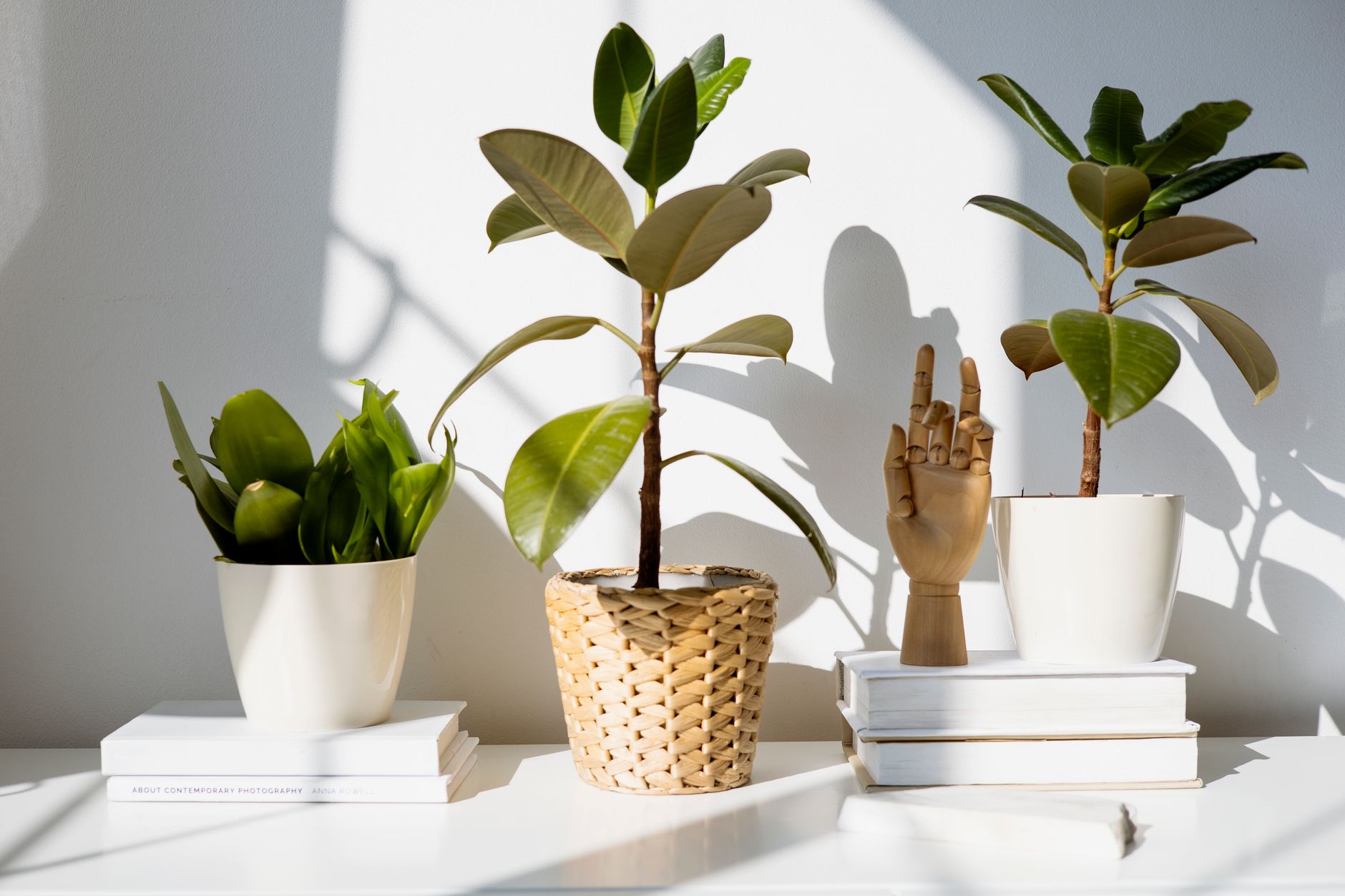
Introducing living organisms into the workspace moves the design from passive aesthetic enhancement to active environmental engagement. Plants are not mere decoration; they function as dynamic regulators of air quality and psychological atmosphere. The act of nurturing these living systems becomes a meditative practice itself.
The presence of plants increases rates of oxygen exchange, subtly improving the microclimate of the room. More significantly, interacting with living things reduces rumination. Observing the slow, steady growth cycle provides a counterpoint to the fast-paced demands of digital work. This intentional cultivation creates a personal ecosystem where the environment actively supports mental equilibrium. If you are looking to introduce this dynamic element into your space, understanding the principles behind creating a truly cozy home requires attention to detail, much like mastering intricate craft: [DIY Chunky Knit Blanket Patterns: Master Cozy Stitch Designs](https://decorandliving.com/diy-chunky-knit-blanket-patterns/).
The Practical Application of Biophilic Home Office Design
Translating these theoretical concepts into actionable design steps requires a systematic approach. We must analyze the current environment and apply targeted interventions based on the principles we have discussed. This is an iterative process of observing, testing, and refining the spatial relationships.
First, assess light exposure. Maximize views and control artificial light temperatures to mimic natural cycles throughout the day. Next, prioritize materiality. Introduce natural textures—wood tones, woven rugs, matte ceramics—to engage the tactile sense immediately upon entering the space. Then, integrate dynamic elements. Strategically place living plants where they can be easily observed and cared for, creating focal points of natural vitality.
The goal is not to fill the office with nature in an overwhelming way, but to weave its underlying principles into the structure of productivity. The resulting **biophilic home office design** functions as a personalized sanctuary. It allows the mind to operate efficiently because the physical environment ceases to be a source of distraction and becomes an active facilitator of focus and creative flow. We are designing spaces that support human physiology, recognizing that optimal performance emerges from harmony between the internal state and the external surroundings.
Tags: biophilic design, home office, cozy decor, productivity, nature in design, workspace, biophilia
Featured Image by Hanna Pad on Pexels.