
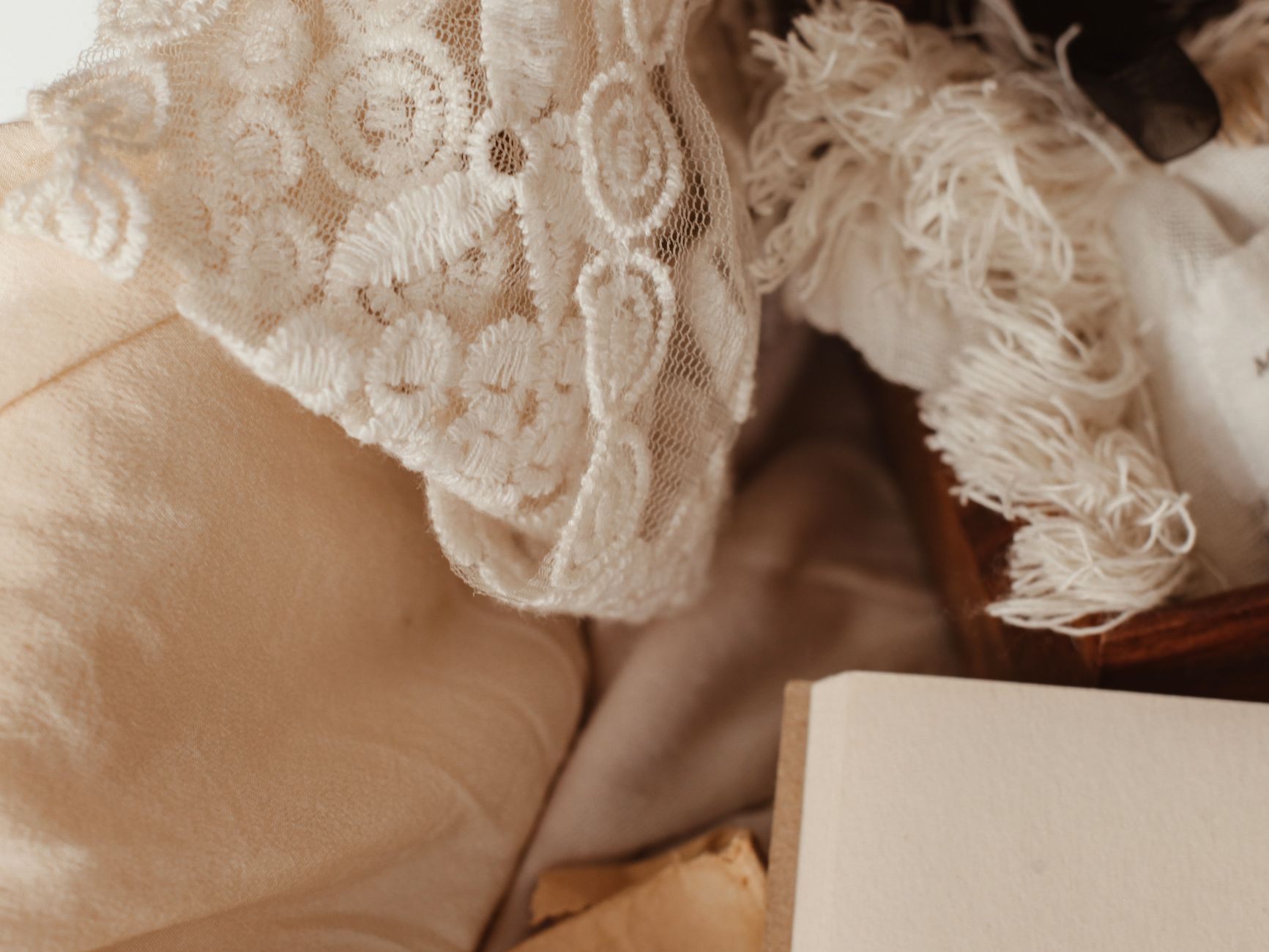
The Science of Tactility: Engineering Comfort Through Fabric Layering
We often approach interior design as a matter of visual arrangement; we select colors and shapes to define a room’s aesthetic. However, true atmospheric comfort resides in the tactile experience, the way surfaces interact with the human body. This is where the concept of **textural home decor** moves from mere decoration to functional engineering. Understanding how different textile weaves and fibers manipulate light, absorb sound, and offer sensory feedback allows us to consciously construct environments that actively promote relaxation.
The mechanism at play here involves surface-to-surface interaction. When we layer textiles, we are not just placing things on top of one another; we are modulating the visual depth and thermal regulation properties of the space. A flat, smooth surface reflects light uniformly, creating a sterile environment. Introducing varied textures disrupts this uniformity, forcing the eye and the touch to engage with complex surfaces that scatter light differently. This subtle manipulation of light quality directly impacts perceived coziness.
Deconstructing Textile Properties for Thermal Regulation
The choice of fabric dictates the room’s thermal performance significantly. Different materials possess distinct thermal inertia, meaning they respond to temperature changes at different rates. For instance, a heavy velvet drape offers superior thermal insulation compared to a lightweight linen sheet. We observe that denser weaves trap more air and resist conductive heat transfer more effectively.
Knits, with their inherent three-dimensional structure, create air pockets within the fabric matrix. These pockets act as micro-insulators, trapping a layer of still air which provides exceptional thermal buffering against external drafts or cold surfaces. This is why chunky cable knits feel so enveloping; the air trapped between the yarn strands functions as an effective insulator, reducing convective heat loss from the room.
Velvets and bouclés introduce a different dynamic. These materials feature deep pile structures that absorb light rather than reflecting it sharply. This absorption reduces glare, contributing to a softer visual field, which is crucial when aiming for a serene atmosphere. In practice, utilizing these materials strategically allows us to manage the perceived temperature of a space without altering the actual HVAC settings.
The Psychology of Touch and Visual Depth
The sensory experience of a room relies heavily on these tactile inputs. Our brains process textural information instantly, associating specific surfaces with feelings of safety or luxury. When we engage with rich textures like a soft bouclé or a deeply ribbed wool, the brain registers this input as rich, inviting, and comfortable. This engagement bypasses purely visual processing; it triggers a primal response tied to tactile comfort.
Layering fabrics introduces visual hierarchy. Placing a matte linen underneath a richly textured throw, for example, establishes a foundation of calm while allowing the accent piece to provide focal interest. This layered approach prevents any single texture from dominating in an overwhelming way. We see this effect when designing spaces that balance starkness with warmth; creating soft **Soft & Airy Palettes: Creating Cozy Spaces with Light Neutrals** relies heavily on managing texture contrast rather than relying solely on color shifts.
Mastering the Art of Contrast and Harmony
The effectiveness of fabric layering hinges on the intentional relationship between the materials involved. High-contrast pairing—such as pairing a smooth, cool silk with a deeply textured, warm wool—creates dynamic visual tension. This tension is what makes the composition engaging rather than monotonous. Conversely, harmonious layering involves selecting textiles from a shared textural family, perhaps using various shades of woven cotton or complementary bouclés.
We must analyze how light interacts across these surfaces. A room layered with highly reflective fabrics will bounce light around rapidly, potentially causing visual fatigue. A successful design employs strategic placement of matte, light-absorbing materials to create pockets of shadow and depth. This interplay between light and shadow defines the volume of the space, making large rooms feel intentionally curated rather than empty.
Implementing Textural Strategies in Specific Zones
Applying this understanding requires a systematic approach to spatial planning. We should treat different zones within a home—the sofa area, the bed, and accent seating—as distinct textural environments. The goal is consistency where needed for grounding, and intentional variation where comfort is amplified.
Consider the bedroom, an area fundamentally dedicated to rest. Here, maximizing softness is paramount. A heavy, deeply piled duvet paired with linen pillowcases establishes immediate tactile security. Introducing a textural element like a soft, brushed alpaca throw draped over the foot of the bed adds depth without impeding airflow. This focus on enveloping comfort echoes the principles found in spaces prioritizing natural materials, much like those found in areas designed for serenity, such as the Spa Bathroom Sanctuary: Natural Stone & Wood Decor.
In living areas, the strategy shifts toward creating conversational warmth. Utilizing woven rugs with high pile density anchors the seating arrangement and introduces a foundational softness underfoot. When selecting upholstery, we analyze the weave structure. A tightly woven tweed provides structure, while an open-weave chenille invites sinking in. This allows occupants to modulate their comfort level based on where they sit or rest.
The Process of Selecting Fiber and Weave
The initial selection process involves assessing fiber content against desired performance metrics. Natural fibers like wool offer exceptional breathability and natural insulation properties. Synthetic blends, while offering durability, require careful consideration regarding their thermal reflectivity and longevity in a cozy setting.
We examine the weave density as a critical measurement. A high thread count or a dense weave results in a smoother surface with less tactile variation. Conversely, looser weaves permit more air circulation and enhance the visual play of light across the material’s surface. This direct correlation between weave structure and sensory experience is what drives effective **textural home decor**.
When designing for long-term comfort, durability must also be factored into the analysis. A luxurious texture that degrades quickly loses its effect. Therefore, selecting materials that maintain their textural integrity through repeated use becomes an implicit part of the design calculation. We observe that high-quality natural fibers possess superior resilience when subjected to the daily wear and tear inherent in a lived-in home environment.
The entire layering process is an exercise in controlled sensory input. By consciously manipulating the interplay between light reflection, thermal absorption, and tactile engagement through judicious placement of knits, velvets, and bouclés, we engineer spaces that respond directly to human needs for rest and refuge. The result is not simply a room filled with soft things; it is an environment calibrated for profound, layered comfort.
Tags: fabric layering, home textiles, cozy decor, texture in design, velvet decor, knitted home, interior design
Featured Image by ROMAN ODINTSOV on Pexels.