
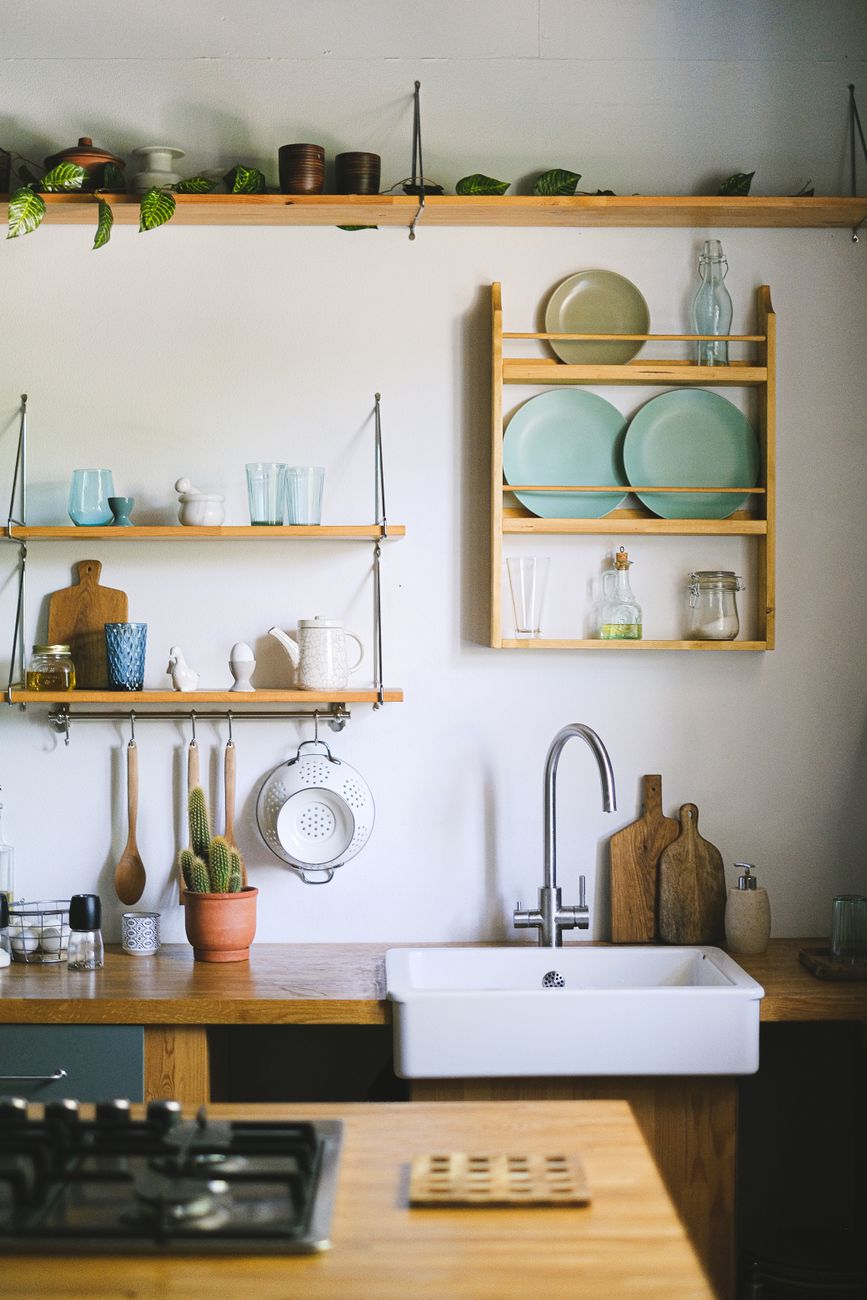
Mastering Cozy Kitchen Storage Through Open Shelving
The visual appeal of a kitchen often hinges on how effectively we manage the items placed within it. When considering **cozy kitchen storage**, open shelving presents a unique opportunity to blend functional organization with aesthetic warmth. We are not merely storing objects; we are curating a visual narrative about our lifestyle. Observing the data on home décor trends, there is a distinct preference for displays that invite interaction and reveal personal history, which is precisely what well-styled open shelves facilitate.
The mechanism behind effective open shelving lies in the strategic deployment of texture, color, and intentional grouping. A cluttered shelf generates visual noise; an organized shelf creates focal points. We need to move beyond simply placing items on a surface and begin treating these shelves as curated display zones. This requires understanding how different material properties interact under various lighting conditions.
Deconstructing Shelf Functionality
Open shelving fundamentally changes the spatial dynamic of the kitchen. Unlike closed cabinetry, which conceals clutter, open shelves expose the functional inventory immediately. This demands a higher level of intentionality from the decorator. We must assess what items genuinely contribute to the kitchen’s atmosphere versus those that merely occupy space. For instance, displaying mismatched collections results in visual dissonance; however, grouping similar textures—like ceramic pitchers, wooden cutting boards, and woven baskets—creates an immediate sense of coherence.
The psychological effect is powerful. When items are visible, they become part of the lived experience. This aligns with the principles we observe in other areas of home design; the transition from pure utility to decorative display must be managed carefully. We are essentially using vertical space to amplify coziness, transforming necessary storage into decorative elements.
Incorporating Rustic Accents for Warmth
The rustic aesthetic is inherently linked to natural materials and an unpolished, lived-in feel. To achieve true **cozy kitchen storage** within this framework, we must prioritize materials that possess visible character rather than sleek uniformity. Think about the tactile experience of what your eyes encounter when viewing the shelves. Rough-hewn wood tones, aged metals, and matte ceramics absorb light in a way that enhances warmth immediately.
We observe that natural textures introduce an organic counterpoint to the often-hard surfaces of modern kitchen environments. Introducing elements like reclaimed wood planks or matte black metal brackets acts as anchors for the display. These accents are not just decorative additions; they function as visual bridges, connecting the functional storage system with the overall ambiance of the room. When selecting decorative items, focus on materials that suggest history or craftsmanship.
The Art of Intentional Styling
Styling open shelves requires an understanding of negative space. Overstuffing the display negates the effect entirely. We must employ the principle of intentional breathing room; allow empty space to define the form and draw attention to the objects you have chosen to feature. This concept is crucial for elevating simple storage into sophisticated décor. Consider the balance between heavy, solid objects and lighter, airier elements. A strategic mix prevents the display from feeling heavy or sparse.
We often see a tendency toward uniform sizing, which sacrifices depth. Instead, we should introduce varying heights and depths among the displayed items to create dynamic visual pathways across the shelf. This manipulation of scale guides the viewer’s eye naturally through the arrangement. Think about layering; this principle applies perfectly here. When arranging items, consider how they overlap or sit against one another to build a rich texture rather than just standing side-by-side.
Integrating Textural Layering
The incorporation of textiles is a primary method for injecting softness and tactile appeal into potentially hard, utilitarian spaces like kitchen shelving. Introducing woven elements, linen runners draped over shelf edges, or soft cotton accents immediately softens the visual impact. This layering process mimics the comforting, multi-sensory experience we seek in our homes. For example, placing a thick, loosely woven linen runner across a wooden shelf introduces an immediate layer of softness against the harder wood grain.
This textural interplay directly contributes to the feeling of coziness. When you touch or visually register these soft materials, the perceived temperature of the space shifts toward warmth. This strategy works synergistically with other design choices; for instance, pairing rustic wood tones with soft textiles creates a balanced aesthetic that feels intentional rather than accidental. We see this effect replicated elsewhere in the home, such as when considering **Layering Linens Rugs for a Cozy Kitchen**.
Optimizing Visual Flow with Lighting
The role of lighting cannot be overstated when working with open shelving. Illumination dictates how texture and shadow are perceived, fundamentally altering the mood of the display. Harsh, direct overhead lighting tends to create unflattering shadows and accentuate clutter. We need ambient light sources that skim across the surfaces, highlighting the textures you have carefully placed without creating harsh glare.
Warm-toned LED strips or strategically placed accent lamps work exceptionally well in this context. This soft illumination enhances the natural grain of the wood and brings out the matte finish of ceramic pieces. Furthermore, consider how lighting interacts with adjacent spaces; a warm glow emanating from the kitchen can tie the decor into the broader home environment, creating a unified atmosphere. For instance, optimizing your bedroom aesthetic often involves managing light flow, similar principles apply when curating display areas like those on open shelves. This principle of ambient control is mirrored in creating a **Ambient Lighting for Bedrooms: Creating a Cozy Sanctuary**.
Practical Application for Kitchen Storage Systems
When implementing this decorative approach to **cozy kitchen storage**, the underlying structural organization must remain sound. Aesthetics cannot supersede basic functionality, especially in a high-use area like the kitchen. Before applying rustic accents, ensure your containers and bins are chosen based on their capacity and intended use—perhaps using attractive woven baskets for bulk pantry items or matching wooden crates for organizing spice jars.
The choice of storage vessel itself contributes heavily to the rustic narrative. Opt for materials that match the overall theme. If you choose distressed metal hooks for hanging utensils, ensure they complement the wood tones on the shelf. This material consistency is what binds the disparate decorative elements into a cohesive system. We analyze how these choices affect daily interaction; items should be accessible yet visually pleasing.
The process involves an iterative refinement. Arrange items, assess the flow, adjust the lighting, and observe the resulting mood. The goal is to create a space where necessary supplies are neatly stored while the visual experience remains deeply comforting and inviting. This requires moving beyond simple storage solutions toward intentional display architecture. We achieve true **cozy kitchen storage** not by hiding things away, but by thoughtfully revealing them.
Tags: kitchen storage, open shelving, rustic decor, kitchen styling, home organization, cozy home, shelf decor
Featured Image by Anna Shvets on Pexels.