
The Science of Tactility: Engineering Coziness Through Textile Layering
We observe a fundamental principle in interior design: human comfort is intrinsically linked to sensory input, and soft textiles are the primary mechanism for modulating this sensation. Creating an environment that feels genuinely cozy is not about adding single plush items; it involves engineering a specific tactile experience through strategic layering of materials. This technique moves beyond superficial decoration into the realm of material science applied to domestic aesthetics. When we manipulate how light interacts with surfaces and how physical pressure registers against the body, we directly influence our perceived level of relaxation.
The process begins with understanding the physics of touch. Different fibers possess distinct surface textures, thread densities, and light-scattering properties. Velvet absorbs and reflects light differently than a matte boucle, and chunky knits introduce volumetric texture that changes the visual rhythm of a space instantly. By combining these disparate materials, we construct a complex tactile environment where visual softness translates directly into physical warmth. This intentional layering transforms a standard room into an immersive sanctuary.
Deconstructing Textile Properties for Maximum Snuggle Factor
To achieve true textural depth, one must analyze the material properties before placing any item in a design scheme. We are not simply selecting pretty fabrics; we are assessing their capacity to engage the sense of touch effectively. For instance, velvet achieves its rich, deep visual saturation because of its pile density and light absorption, creating pockets of shadow that feel enveloping. Conversely, a thick, chunky knit introduces significant physical volume, which signals safety and insulation to the brain.
We see this principle applied across various textiles. High-pile wool provides inherent thermal regulation; it traps air efficiently, offering superior insulation compared to smoother synthetics. Boucle, with its signature looped texture, offers an inviting surface that invites touch without the slickness of silk or polished cotton. These materials interact dynamically with ambient light, causing shadows and highlights to shift throughout the day, which further enhances the dynamic quality of the room. This interplay is critical for avoiding a static aesthetic.
Strategic Layering: Building Depth Without Visual Clutter
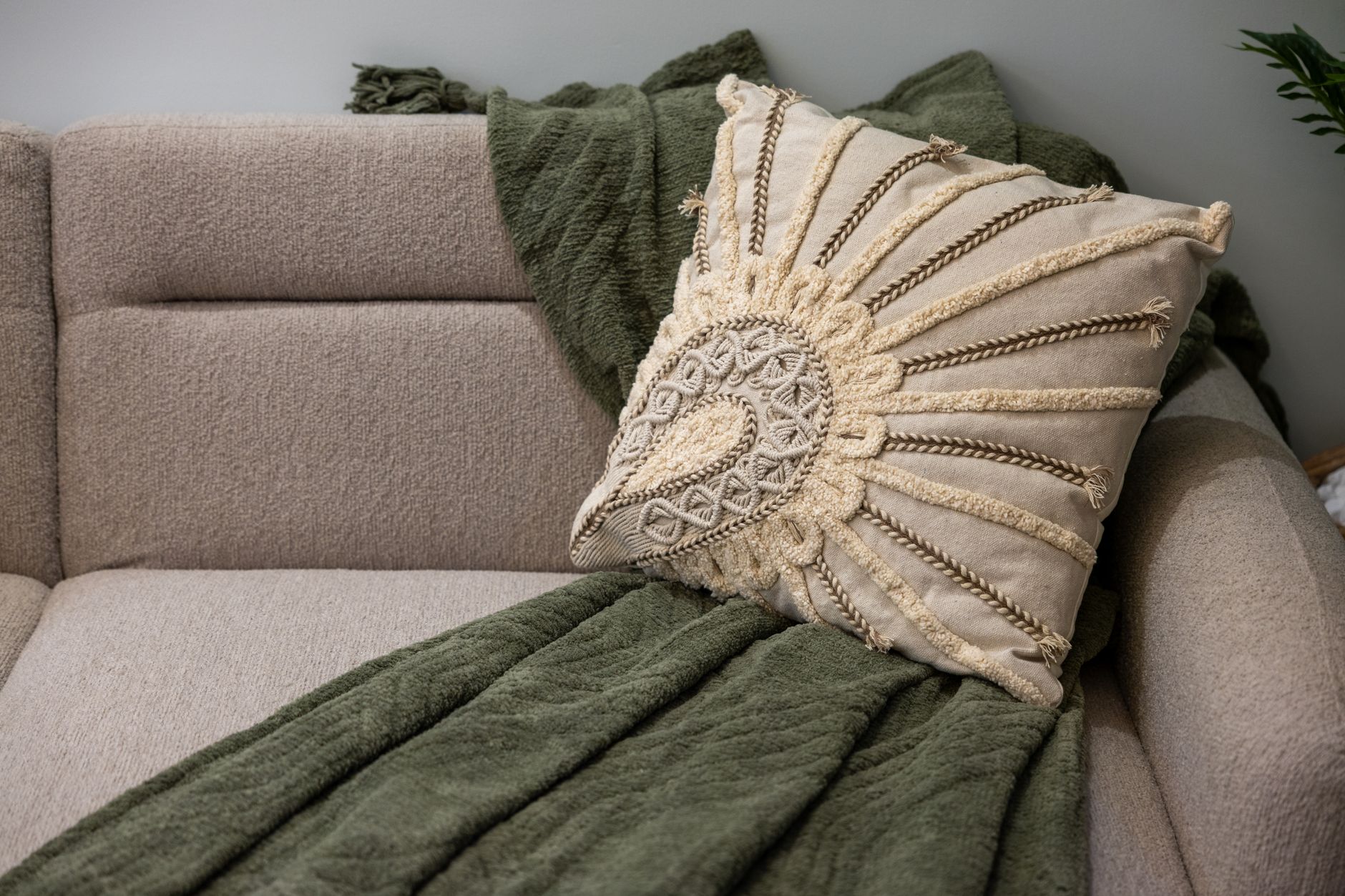
The method of layering dictates the success of the textural effect. A single, large piece of soft fabric, while appealing, lacks the necessary depth to create an enveloping feeling. We need complexity. Imagine draping a velvet throw over a linen sofa, and then stacking a chunky knit blanket across the foot of the bed. This creates distinct zones of softness. One layer provides visual richness; the next provides tangible tactile comfort.
This layering strategy manages visual weight effectively. By introducing varying densities—smooth, fine, and coarse—we prevent the space from feeling monolithic. When we consider how these materials interact with adjacent elements, the effect multiplies. A highly textured area draws the eye, but when balanced by smoother surfaces nearby, the overall effect is one of sophisticated, grounded coziness. We must ensure that the tactile journey remains smooth, not jarring.
Material Selection: The Core Components of Textural Living
Selecting the right base materials is the foundational step in this process. For living room applications, we look for textiles with substantial hand-feel and visible texture. Wool, cashmere, and heavy-grade cotton serve as excellent anchors because their natural fibers offer inherent warmth and a pleasing drape. These materials provide a warm baseline upon which more dramatic textures can be layered.
Velvet introduces depth through its light-absorbing quality; it works beautifully when placed on larger furniture pieces to anchor the visual field. Boucle excels at bridging the gap between smooth modern lines and rustic comfort, offering an appealing, tactile surface that feels both luxurious and approachable. Chunky knits introduce necessary volumetric texture; they function as focal points, adding palpable mass and an immediate sense of invitation.
When integrating these choices, we consider the interplay with other design elements. For example, if your space already features warm, earthy tones, introducing textural contrast—like a deep indigo velvet against a cream boucle—creates sophisticated visual tension. This deliberate juxtaposition elevates the entire aesthetic beyond simple softness. Think about how textiles can influence ambient perception; they dictate the perceived temperature of a room before any thermostat is even considered.
Integrating Texture with Ambient Lighting
The effect of textural layering is amplified exponentially when paired with appropriate lighting conditions. Soft textiles absorb and diffuse light, making them inherently conducive to creating dim, intimate settings. When you layer rich fabrics, the resulting space naturally seeks lower illumination levels, encouraging a state of relaxation. This synergy works particularly well when utilizing layered lighting techniques; soft, diffused light grazing the nap of velvet or highlighting the deep shadows within a chunky knit accentuates the three-dimensional quality of the arrangement.
We find that indirect lighting is paramount. Harsh overhead lighting flattens texture and negates the depth created by the layering. Instead, employing sources like table lamps with warm bulbs allows the textiles to reveal their subtle variations—the sheen on silk, the fuzziness of wool—transforming the surface from mere fabric into a textural landscape. This manipulation of light directly enhances the desired snuggle factor.
Practical Application: Designing Your Textural Sanctuary
Implementing this strategy requires practical consideration of scale and placement within the room’s architecture. Do not treat the textiles as isolated objects; view them as an integrated skin for your furniture arrangement. A sofa dressed in a heavy, textured throw should feel inseparable from the architectural lines of the seating area. Avoid overwhelming the space by using too many high-contrast textures simultaneously.
We observe that balance is achieved through tonal harmony and intentional focal points. Select a dominant texture—perhaps a large area rug in a soft wool blend—and then introduce secondary textiles that offer complementary texture and tone. For instance, pairing a smooth, matte cotton pillow with a richly textured knit throw establishes a hierarchy of tactile experience. This creates an organized yet deeply inviting space.
Consider how these tactile choices relate to storage solutions. If you are curating cozy elements, ensuring the items you display are themselves soft reinforces the overall theme. When organizing spaces, incorporating textural elements naturally leads one toward thoughtful storage methods. For example, styling open shelves with rustic accents allows you to integrate woven baskets or felt accents alongside books, creating a seamless tactile narrative that flows from the decor into the functional space (see [Cozy Kitchen Storage: Styling Open Shelves with Rustic Accents](https://decorandliving.com/cozy-kitchen-storage-open-shelves/)).
The pursuit of the ultimate living room snuggle factor is an exercise in sensory orchestration. By understanding how material physics, light dynamics, and strategic layering function together, we move beyond surface-level decoration toward genuine environmental engineering. The result is a space that not only looks beautiful but actively invites physical repose. This intentional engagement with texture transforms passive furniture into active sources of tactile comfort.
Tags: textural textiles living room, cozy decor, living room textiles, home textiles, layering fabrics, velvet decor, boucle
Featured Image by AJ Ahamad on Pexels.