
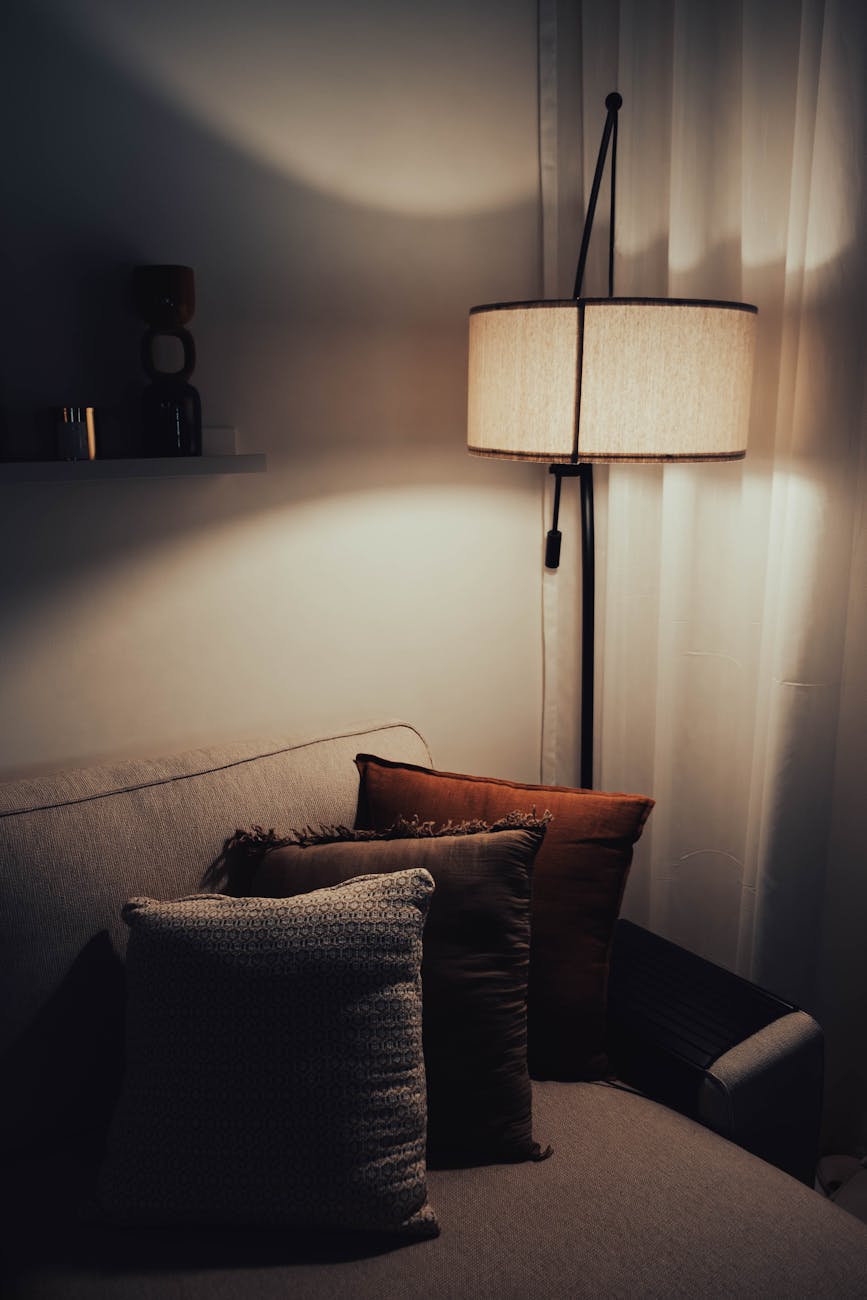
The Psychological Mechanics of Earth Tones in Interior Design
We observe a distinct psychological response when we introduce specific color palettes into our living environments. The concept of earth tones for cozy home decor is not merely an aesthetic choice; it functions as a direct modulator of the occupant’s physiological and emotional state. These colors, derived from natural elements like soil, wood, stone, and foliage, tap directly into primal associations with safety, grounding, and organic connection. When we design a space using these hues—think deep terracotta, muted olive green, rich rust, and warm beige—we are manipulating the visual field to induce a sense of immediate, unforced tranquility.
This effect stems from the inherent relationship between the natural world and human biology. Exposure to these chromatic values reduces the visual stimulation often associated with high-energy, saturated artificial light. Instead, the visual field settles into a state that mimics the stable, predictable patterns found outside, which our ancient brains have evolved to interpret as safe environments for rest and recovery. We are essentially programming the sensory input to signal safety, a critical factor in establishing true coziness.
Deconstructing the Color Spectrum: How Earth Tones Influence Mood
The specific wavelengths and saturation levels within the earth tone spectrum dictate the exact emotional outcome experienced by the occupant. Terracotta, for instance, carries the deep, grounding quality of fired clay and sun-baked earth; it anchors the visual space. This density slows down perceived activity, encouraging a deceleration of mental processes. Conversely, lighter, muted sage or olive introduce an element of organic calm, connecting the interior to living, breathing nature.
Rust tones bring warmth through their inherent reddish-brown complexity, signaling vitality and hearth, which stimulates feelings associated with welcome and security. When these tones are layered strategically across walls, textiles, and furnishings, the cumulative effect shifts the room’s ambient temperature, making the physical space feel perceptibly warmer than its actual thermal setting suggests. This is a mechanism of perceived warmth, not actual heat transfer.
We analyze the chromatic interaction closely. High saturation in these muted palettes prevents the colors from feeling aggressive; they remain rich but subdued. This balance allows the eye to rest rather than constantly scan for high contrast, which can induce visual fatigue. The successful application relies on balancing deep, saturated anchors with lighter, desaturated neutrals that allow the color story to breathe.
Materiality and Texture: Amplifying the Earth Tone Experience
Color alone establishes the initial mood, but true coziness emerges from the tactile experience of the space. The earth tones interact profoundly with natural textures, creating a multi-sensory environment where sight, touch, and implied sound converge. This interplay moves the decoration beyond mere visual appeal into functional sensory immersion.
The choice of materials directly dictates how the color is perceived. A matte finish on a terracotta wall absorbs light softly, reinforcing the feeling of groundedness. Conversely, introducing rough-hewn wood grain or woven linen introduces textural friction that engages the tactile sense. This juxtaposition prevents the environment from becoming flat or sterile.
We see this mechanism clearly when considering furnishings. Choosing furniture with natural wood tones—walnut, oak, or reclaimed wood—integrates the visual warmth of the earth palette directly into the structure of the room. The grain patterns themselves provide intricate, organic detail that contrasts beautifully against the solid blocks of color. Think about how a heavy linen drape falling over a rust-toned sofa; the interplay between the soft fibers and the rich color creates an immediate sense of enveloping comfort.
Curating Tactile Richness for Deep Comfort
Textiles are perhaps the most powerful medium for translating the abstract concept of “cozy” into tangible experience. We need to move beyond simple fabric choices toward material performance that enhances sensory input. For instance, incorporating wools, heavy cottons, and natural weaves maximizes the feeling of insulation and softness against the skin.
When selecting bedding, the goal becomes achieving a deep sense of enclosure. Curating your ultimate cozy bedding collection involves prioritizing materials that invite physical interaction; think about the weight of the fabric, the softness of the weave, and the warmth they suggest. This tactile engagement directly engages the parasympathetic nervous system, promoting relaxation pathways. A carefully selected set of textiles acts as an immediate invitation to slow down and settle in.
If you are designing a sanctuary, consider how these textures layer together. A heavy knit throw layered over smooth, matte walls creates a rich, enveloping envelope. This layering effect is crucial; it mimics the natural insulation found in cozy shelters, enhancing the feeling of being securely nestled within your personal space. We see that when we prioritize this textural depth, the environment transitions from merely decorated to genuinely comforting.
Implementing Earth Tones Across Architectural Elements
To achieve a cohesive atmosphere rooted in earth tones for cozy home decor, the application must be intentional and systematic across all architectural planes. A haphazard placement of color results in visual dissonance, whereas a strategic approach creates an immersive field. We analyze how different surfaces respond to these chromatic choices when viewed simultaneously.
Walls act as the foundational canvas; their tone sets the overall atmospheric baseline. Deep ochre or warm grey-beiges provide substantial grounding, establishing the depth of the space. These large, unbroken color fields allow the softer elements—the textiles and accessories—to interact meaningfully upon them. The way light reflects off these surfaces changes dramatically based on the specific earth tone chosen.
For smaller elements, such as accent pieces or cabinetry, we employ the earth tones to introduce focal points that direct the viewer’s attention. A deep olive accent wall behind a reading area instantly defines that space as a contemplative zone. Similarly, using matte black or dark bronze for hardware provides necessary visual weight without introducing jarring cool tones that disrupt the overall warmth.
Designing Zones of Sanctuary
Interior design is about creating distinct zones where specific emotional states are prioritized. We can use earth tones to delineate these functional areas, making each space feel bespoke and intentionally designed for its intended purpose. Consider a reading nook; this area demands deep comfort and introspection. By surrounding it with rich, warm tones and soft textures, we signal that this is a place meant for unwinding.
When setting up a cozy reading nook in small spaces, the color palette becomes an active tool. The walls might adopt a muted rust, providing a warm backdrop, while the seating itself incorporates deep, tactile cushions in complementary olive or terracotta shades. This creates a visual cocoon. We observe that when we consciously design these zones, the psychological benefit is amplified; the space functions not just as a room, but as a deliberate sanctuary.
The process involves establishing a chromatic hierarchy. The primary tones should establish the foundational warmth, while secondary tones introduce complexity and depth through juxtaposition. This layering ensures that the resulting atmosphere feels rich and layered rather than simply monochromatic or flatly colored. It is this nuanced interaction of color and texture that transforms a simple room into a deeply cozy home.
Tags: earth tones, cozy decor, color psychology, home decor, warm colors, terracotta, olive green
Featured Image by saad alawi on Pexels.