
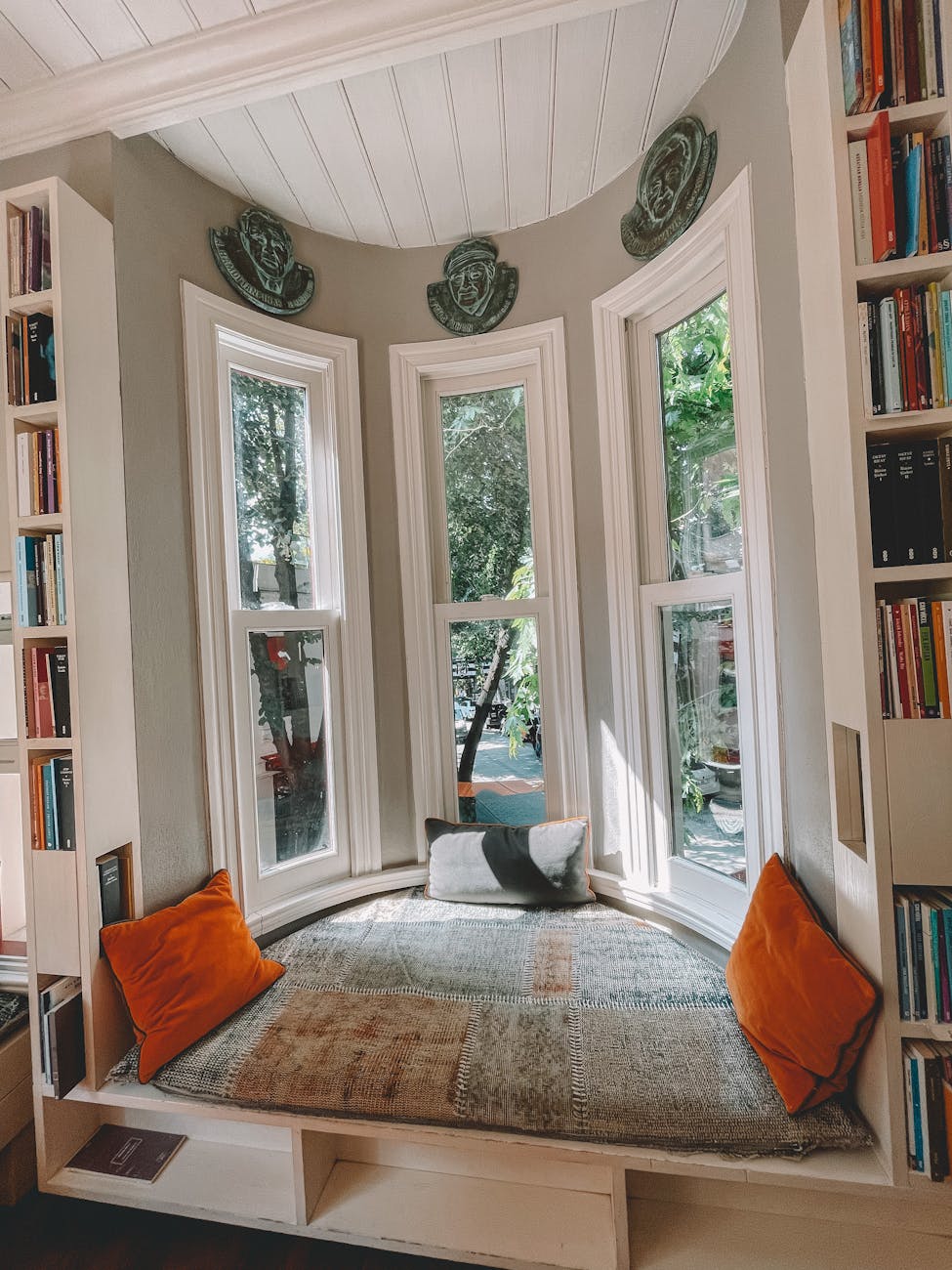
Maximizing Micro-Spaces for Ultimate Comfort
When dealing with limited square footage, the objective shifts from mere decoration to spatial optimization. Creating a truly immersive cozy reading nook in a small area requires understanding how objects interact with light, flow, and perceived volume. We are not simply adding furniture; we are engineering an experience within those constraints. This process demands a deliberate approach to scale and function.
The fundamental challenge in small spaces is managing visual clutter while maximizing functional comfort. A successful nook must serve its primary purpose—reading and relaxation—without introducing visual weight that suffocates the room. We observe from the data that vertical space utilization dictates success here. Walls become canvases, and clever placement manipulates the perception of available space.
Calculating the Footprint: Understanding Scale in Small Areas
Before selecting any materials, we must analyze the physical constraints. A common pitfall is selecting oversized elements that overwhelm the intended scale. For a reading nook, this means assessing the dimensions not just of the chosen seating but also the circulation paths around it. We need to determine the functional zone. This involves mapping where the light source will hit, how much floor space is required for comfortable posture, and ensuring there is adequate clearance for movement.
We often see people underestimate the negative space required for true coziness. A tight arrangement of items can feel cramped, regardless of the physical measurements. Think about the relationship between the seating element and the surrounding walls; a nook should feel intentionally tucked away, creating an intimate boundary rather than feeling like an intrusion into the room’s larger volume.
Strategic Seating Choices for Compact Spaces
The choice of seating dictates the entire geometry of the reading experience. In confined environments, bulky armchairs immediately consume valuable real estate. Therefore, we prioritize forms that offer substantial comfort without excessive spatial demands. Ottomans, floor cushions, and slim bench designs emerge as superior alternatives because they offer necessary support while maintaining a low profile.
Consider how these elements interact with the vertical plane. A narrow bench placed against a wall maximizes horizontal flow, leaving the center of the room open for movement. When integrating textiles, we must account for drape. Soft, oversized cushions enhance the sensory experience; they invite prolonged occupancy and psychologically signal relaxation. This links directly to broader aesthetic principles, such as Layering for Cozy: Build a Multi-Textured Bedroom Aesthetic which emphasizes how textural depth enhances perceived comfort in small zones.
Mastering the Art of Vertical Integration
When horizontal space is restricted, vertical real estate becomes the most potent tool for expansion. We must think beyond simple shelving and explore multi-functional vertical solutions. Wall-mounted shelves are excellent for displaying curated items without protruding into floor space. Hanging plants, strategically placed high, draw the eye upward, mitigating the feeling of enclosure.
The principle here is density management; every inch must contribute to the experience. If a shelf is installed, ensure its depth is appropriate—shallow shelves work better in narrow spaces as they reduce visual depth while still providing storage capacity for books or small decorative objects. This systematic approach prevents the nook from becoming a dense collection of items and instead fosters an atmosphere of curated tranquility.
Illuminating Your Sanctuary: The Role of Light Mechanics
Light is perhaps the most critical, yet often overlooked, variable in designing a cozy reading nook. Illumination directly affects mood, focus, and the perceived size of the space. Natural light intake should be maximized if possible. If direct windows are unavailable, artificial lighting must be layered effectively to mimic natural ambiance.
We observe that warm-toned light, typically below 3000 Kelvin, signals relaxation far more effectively than harsh, cool illumination. Incorporating accent lighting allows you to draw attention to specific textures or focal points within the nook. A slim floor lamp positioned strategically can define the nook’s perimeter without consuming excessive visual space. This intentional lighting design echoes the principles found in spaces prioritizing serene retreats, much like those achieved in Spa Bathroom Decor: Serene Retreat with Greenery & Soft Light.
Materiality and Texture: The Sensory Layer
The tactile experience of a cozy reading nook relies heavily on material selection. The juxtaposition of textures creates depth and invites engagement. Hard surfaces alone result in an impersonal space; we need materials that engage the sense of touch. Think about incorporating chunky knit throws, velvet pillows, or woven rugs beneath the seating area.
These textural elements absorb sound and introduce organic warmth. When selecting textiles for your nook, consider how they interact with light. A heavy wool blanket draped over a simple cushion immediately elevates the perceived luxury and comfort level. This layering technique visually softens hard architectural lines and anchors the space in tactile reality.
Selecting the Perfect Focal Point: Books and Atmosphere
The primary function of this area is reading, meaning the literary element must be central to the design. Books are not just objects; they are anchors for ambiance. Displaying books artfully—some stacked horizontally, others displayed vertically on a narrow shelf—establishes an immediate theme. This curation transforms a simple corner into a personalized sanctuary.
We analyze how book placement influences visual flow. A carefully arranged stack can act as a natural divider or a grounding element. Pairing the literary focus with ambient elements creates a holistic experience where every component reinforces the desired mood of deep, undisturbed comfort. The entire assembly must function as a cohesive unit designed for singular relaxation.
Tags: reading nook, small space design, cozy home, DIY decor, nook ideas, small apartment, home decor
Featured Image by Beyza Akkan on Pexels.