
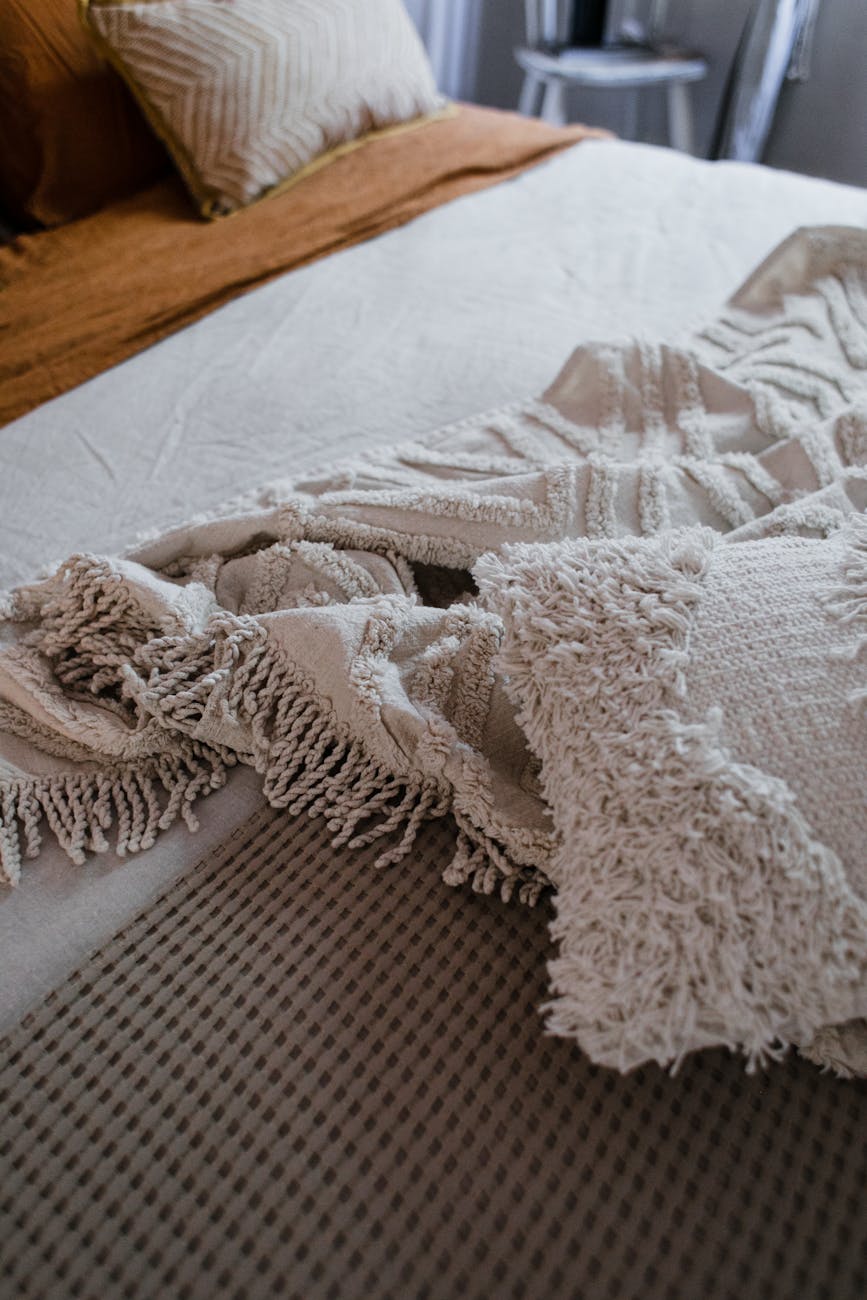
The Science of Tactility: Mastering Layering for Depth in Your Bedroom
We often approach bedroom design as a singular act of furnishing; however, true coziness emerges not from single, isolated items but from the calculated interaction between diverse textures. Understanding how different surface materials engage the human visual and tactile systems allows us to engineer an environment that signals comfort immediately. This is the core mechanism behind achieving a truly rich, layered bedroom decor. We observe that flat surfaces create visual monotony; introducing varying densities of texture manipulates light reflection and shadow, creating depth where there was once only expanse.
Deconstructing Texture: The Visual Mechanism of Layering
The primary goal when implementing layered bedroom decor is to introduce tactile variation across the room’s focal points—the floor, the bedding, and the wall accents. When we select materials, we are essentially programming an emotional response based on sensory input. A smooth, cool linen contrasts sharply with a thick, nubby wool throw; this juxtaposition forces the eye to pause and process the difference, immediately signaling invitation and comfort.
Consider the interplay between textiles. A high-pile shag rug absorbs sound and light differently than a tightly woven jute mat beneath it. This differential absorption dictates the acoustic quality of the room, making the space feel quieter and more enveloping. We are not just placing objects; we are manipulating the physical properties of the space itself.
Grounding the Space: Rugs as Foundational Elements
The floor plane acts as the base layer upon which all subsequent elements are perceived. A rug functions as a primary anchor, defining zones within the room and dictating the overall mood. We find that larger area rugs effectively expand the perceived size of a space, particularly in smaller footprints. When decorating a smaller room, utilizing a substantial rug anchors the sightlines, preventing the eye from scanning an unbroken expanse.
For optimal effect, the rug texture must complement the chosen style. A high-contrast geometric pattern introduces visual energy, while a dense, solid-color weave establishes a deep sense of calm. We see this principle at work when considering space management; using appropriate scale is crucial for optimizing flow, especially in confined areas. If you are managing smaller spaces, ensuring the rug properly grounds the sleeping area prevents the room from feeling cluttered and overwhelming. We must consider how floor coverings interact with the chosen interior design style before committing to a purchase.
The Bedding Matrix: Orchestrating Comfort Through Textiles
The bed remains the nexus of bedroom experience, demanding the most intricate layering. The bedding system is where maximum tactile engagement occurs nightly. A successful matrix involves multiple layers that engage different sensory thresholds as you move through the night or wake up in the morning. Think about the differential between a crisp, cool cotton sheet and a heavy, knitted duvet. This contrast creates visual interest while maintaining functional comfort.
We analyze the weight and weave of fabrics constantly. Linen offers a breathable, slightly wrinkled texture that suggests effortless elegance, perfect for warmer climates or minimalist aesthetics. Conversely, flannel or heavy chenille introduces significant visual warmth; these materials signal deep hibernation and tactile security. Layering pillows—mixing sizes, firmness levels, and material finishes—is essential. A combination of smooth silk, textured boucle, and chunky knit wool ensures that every touchpoint offers a unique experience, moving beyond simple uniformity into true sensory richness.
Introducing Depth Through Accent Pieces
Once the foundation of the floor and bedding is established, accent pieces provide the necessary textural complexity to elevate the design from merely decorated to deeply immersive. This involves strategically placing items with distinct surface qualities. Throw blankets are the perfect mechanism for this; draping a chunky knit throw over the foot of the bed instantly adds visual weight and an invitation to sink in.
We see how accent textures manage negative space. A single, highly textured pillow placed against a smooth wall acts as a focal point that draws attention without overwhelming the room. This works particularly well when exploring various interior design styles; whether leaning toward bohemian maximalism or Scandinavian simplicity, introducing textural variance ensures the space feels lived-in and intentional, not sterile. When managing decor in smaller apartments, utilizing these layered elements strategically prevents visual clutter by focusing the textural narrative onto specific zones.
Material Selection: The Underlying Mechanics of Coziness
The choice of raw material dictates the ultimate perceived coziness. Natural fibers possess inherent qualities that enhance the feeling of organic warmth. Wool provides superior insulation and a soft hand, while cotton offers breathable comfort. Introducing materials like rattan, aged wood finishes, or woven jute adds an earthy grounding element that counteracts the sometimes sterile nature of modern architecture.
We must consider how these elements interact with light. Matte surfaces absorb ambient light, creating softer shadows that enhance depth. Highly reflective surfaces bounce light sharply, which can feel colder. By deliberately mixing matte textiles with subtle sheen in your decorative objects, you manipulate the visual temperature of the room, ensuring that the environment feels enveloping rather than stark. This careful calibration is how we achieve sophisticated layered bedroom decor.
Integrating Style Through Texture
The layering process becomes a means of translating an abstract interior design style into tangible sensory experience. A minimalist aesthetic relies on texture variation within a restricted color palette—using varying weaves of linen and wool in muted greys and creams to create subtle depth. Conversely, a maximalist approach embraces the density; here, the layering involves introducing high-contrast textures like velvet and heavy fringe over a rich carpet, creating an abundance of tactile engagement.
Understanding which style you are aiming for informs your material choices significantly. Before selecting any large items, review the principles of design that govern these approaches. Examine how different styles approach visual density and material contrast; this contextual understanding empowers the selection process. When evaluating broader interior trends, recognizing the principle behind 10 Popular Interior Design Styles: Which One Suits Your Home? helps ensure your layering strategy aligns with your ultimate vision.
Practical Application: Engineering the Perfect Sensory Environment
To execute this effectively, we observe that consistency in scale is paramount. Do not overwhelm the space by introducing too many competing textures simultaneously; instead, focus depth in specific zones—the bed, the seating area, and perhaps a single accent wall. Think about how items interact with flow. A heavy rug establishes one zone; soft throws define another; pillows invite lingering.
We find that intentional spacing between layers allows each texture to breathe and assert its presence without fighting for dominance. This controlled interaction transforms a collection of objects into an orchestrated sensory environment. By prioritizing tactile quality over sheer quantity, you engineer a bedroom where every surface invites rest, reflection, and deep, undeniable coziness. Start experimenting with these principles today; the result is an environment built on genuine comfort.
Tags: bedroom decor, cozy home, textile layering, bedroom style, home decor tips, texture, bedroom design
Featured Image by Rachel Claire on Pexels.