
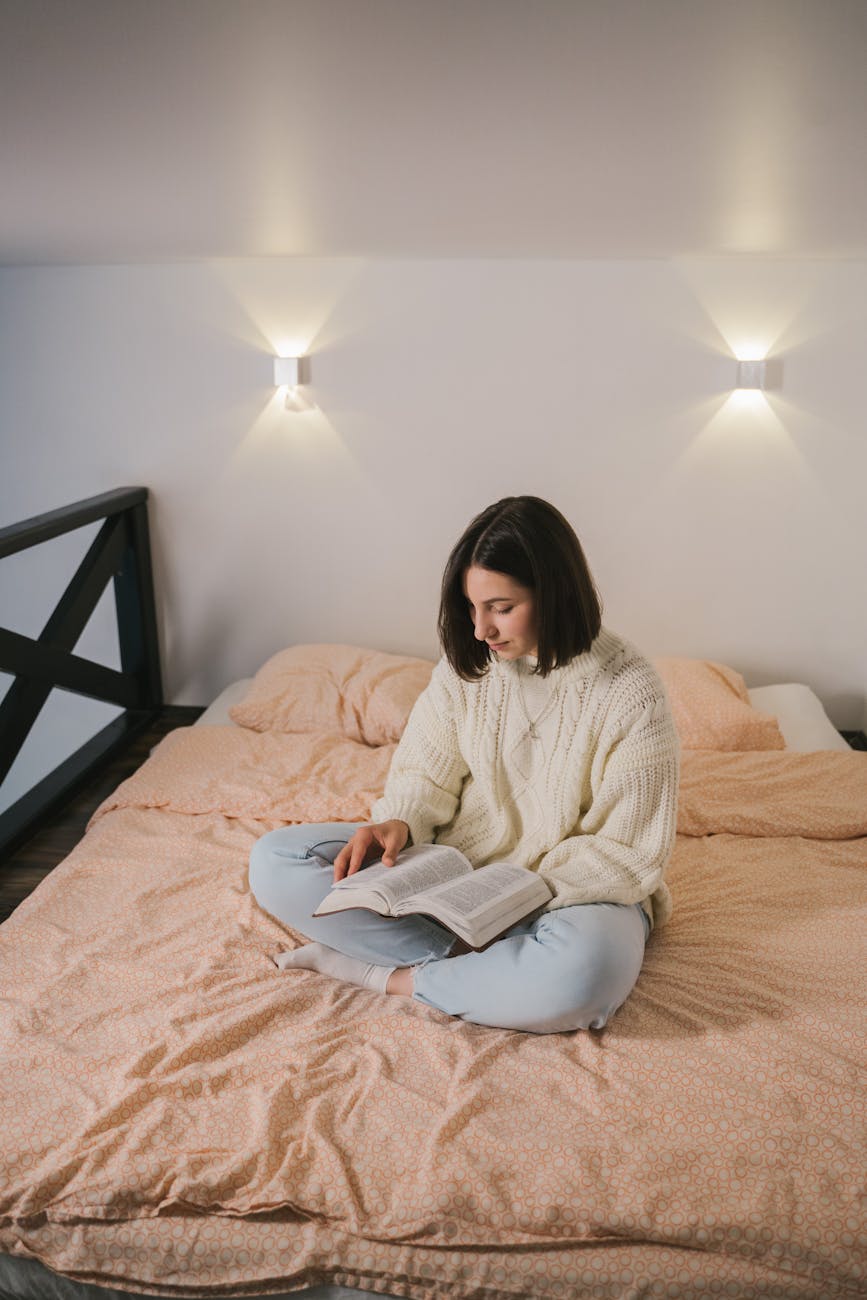
The Anatomy of a Perfect Reading Nook Design
Creating a reading nook moves beyond simply placing a chair in a corner; it involves engineering an experience where specific sensory inputs converge to induce relaxation. We are designing micro-environments, spaces calibrated for focused introspection and deep comfort. Understanding the functional anatomy of this space dictates how effectively you can optimize it for long-term use.
The selection of the physical footprint is the initial constraint. A reading nook must possess sufficient spatial allowance for the primary activity—reading—plus necessary circulation space around the seating element. We observe that an ideal size, depending on the room context, allows for a minimum clear radius of approximately three feet around the focal point. This buffer prevents visual clutter and allows occupants to settle into their chosen position without impingement. We must account for the function of the nook; is it purely for reading, or does it incorporate reflection, contemplation, or perhaps even a small beverage station?
Spatial Geometry and Focal Point Placement
The placement dictates the psychological impact of the design. A successful reading nook design centers around establishing an undeniable focal point. This point should be either a window offering natural light or a unique architectural feature within the room. Positioning the seating so that it faces this element maximizes the utility of the light source and anchors the visual experience. When designing, we analyze how the line of sight interacts with the space; sharp angles can create tension, while soft curves promote immediate relaxation.
We often see successful applications where the nook is deliberately tucked into a transitional zone—an area between two larger functional zones in the bedroom or living space. This positioning creates a sense of enclosure without feeling claustrophobic. The walls surrounding the nook act as acoustic buffers, minimizing external auditory distractions, which is crucial for deep concentration. Consider the relationship between the seating and the adjacent surfaces; proximity to a textured wall enhances the tactile experience.
Material Selection: Tactility and Atmosphere
The materials employed are not mere aesthetic choices; they function as sensory feedback mechanisms that modulate mood. We need surfaces that invite lingering. Hard, cold materials transmit a sense of distance and alertness. Soft, natural textures engage the sense of touch immediately. For instance, incorporating thick, natural wool or velvet upholstery directly influences perceived coziness.
Layering textiles is a process of maximizing tactile richness. We observe that layering different weights and textures—a chunky knit throw over a smooth linen cushion, for example—creates visual depth and layered comfort. This technique engages multiple sensory pathways simultaneously, deepening the immersive quality of the space. If you are exploring how to achieve this effect, examining techniques like the Beginner’s Guide to Layering Textiles for Cozy Home Decor reveals the principle: varying texture prevents visual monotony and increases tactile engagement.
Illuminating the Space: Mastering Ambient Lighting Techniques
Light is perhaps the most potent tool in crafting a cozy atmosphere, acting as an invisible architectural element. Harsh overhead lighting immediately negates any attempt at intimacy. Instead, we shift focus to layered illumination strategies. This involves utilizing multiple light sources positioned at varying intensities and color temperatures throughout the nook. We must move away from singular task lighting toward ambient glow.
The strategy relies on controlling the light spectrum. Warm-toned bulbs, typically below 2700 Kelvin, stimulate melatonin production, signaling the body that it is time to rest and relax. When designing your setup, map out where the primary light source will sit. Perhaps a floor lamp positioned beside the chair provides focused reading illumination, while indirect ambient light washes the surrounding walls with a soft hue. Mastering Layering Light for Cozy: Mastering Ambient Lighting Techniques allows you to dynamically shift the mood throughout the day. This manipulation of light intensity and color is what transforms a mere corner into an intentional sanctuary.
Furnishing the Core Elements
Once the spatial parameters and atmospheric controls are established, the core furniture must be selected based on ergonomic performance and aesthetic harmony. The seating element requires thoughtful consideration regarding its depth and support. A deep, generously padded armchair encourages full physical immersion, promoting a sense of secure retreat. Avoid overly rigid or unforgiving frames; prioritize softness that invites sinking in.
The accompanying elements—side tables or shelving—must serve a practical purpose without disrupting the flow. These surfaces should offer accessible staging areas for reading materials or a warm drink. We analyze how scale impacts perception; furniture that is appropriately scaled to the nook size feels integrated rather than imposed upon it. Avoid bulky, over-engineered pieces. Simplicity often yields greater coziness than complexity.
Integrating Personal Artifacts and Sensory Details
A space achieves true coziness when it reflects the occupant’s personal narrative. This involves curating objects that carry emotional resonance rather than purely decorative value. Displaying well-loved books, a favorite mug, or a small piece of meaningful art transforms the space from generic décor into a personalized haven. These artifacts act as anchors for memory and comfort.
Consider the incorporation of scent. Olfactory cues have a direct neurological link to memory centers. Using subtle, diffused scents—perhaps through a scented candle or an essential oil diffuser—can layer another dimension of sensory experience over the visual and tactile inputs. This subtle aromatic input reinforces the feeling of being safely enveloped within one’s personal space.
The Final Calibration: Achieving Intentional Rest
The process of reading nook design culminates in calibration. It is about testing how the designed elements interact with the user’s actual behavior. Does the light feel too intense during evening reading? Is the textile too scratchy against bare skin? These adjustments require iterative feedback. We move from abstract concepts to concrete experiential data.
The goal is to create a space that functions as an intentional pause button. It should facilitate a transition from the external demands of the day into a state of focused, comfortable solitude. By meticulously controlling spatial geometry, material texture, light dynamics, and personal artifacts, we engineer a highly effective retreat. The resulting nook is not just a place to read; it is a finely tuned mechanism for rest and rejuvenation.
Tags: reading nook design, bedroom decor, cozy home, nook ideas, space optimization, bedroom design, reading corner
Featured Image by Tima Miroshnichenko on Pexels.