
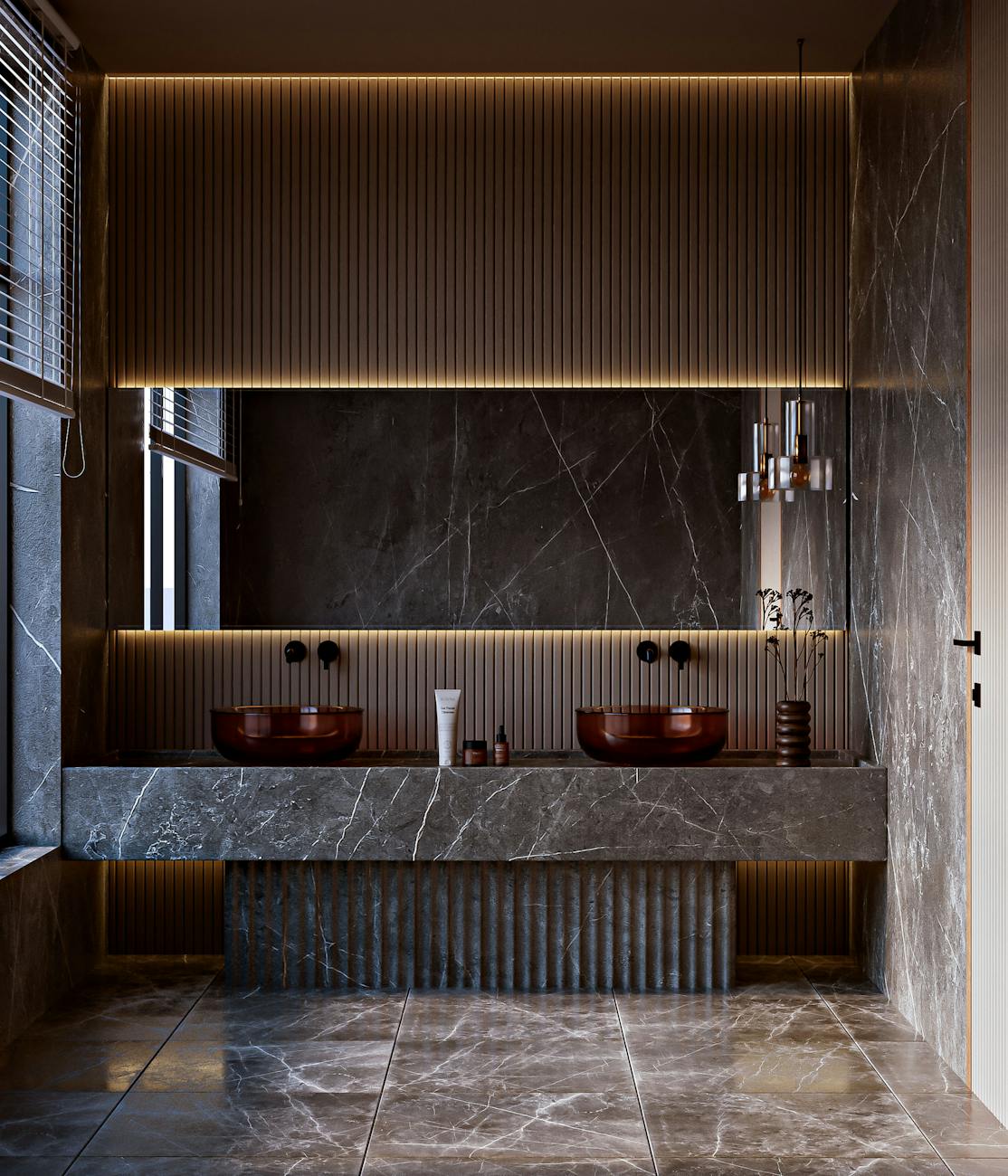
The Architecture of Luxury: Engineering Your Dream Bathroom Space
When we approach a bathroom renovation, we are not simply changing fixtures; we are reconfiguring an environment designed for sensory experience and functional efficiency. Achieving a truly luxurious feel requires understanding how materials interact with light, texture, and spatial volume. We observe from the data that high-end design hinges on deliberate material selection and precise execution of detail. This pursuit of elevated aesthetics begins long before selecting a faucet; it starts with establishing an intentional atmosphere.
Material Science Behind Luxurious Bathroom Accessories
The choice of hardware and finishes dictates the perceived quality of the entire space. Think about the mechanism of reflection. Polished chrome offers a high specular reflection, creating a bright, clinical effect. Conversely, brushed brass or matte black introduces diffused light, absorbing some glare while providing a deeper, richer textural presence. This is a fundamental decision in designing luxurious bathroom accessories.
We examine the impact of metal patina. A heavy, aged bronze finish, for instance, carries a history that lighter metals do not. This physical presence anchors the design, suggesting permanence and quality to the user. When integrating luxurious bathroom accessories, we must consider the tactile feedback; how does the material feel under the fingertips? Smooth, cool ceramic juxtaposed with warm, velvety textiles creates necessary tension in the sensory experience.
Lighting as a Sculpting Tool
Lighting is perhaps the most powerful tool for manipulating mood within a bathroom setting. Standard overhead lighting provides functional illumination but fails to establish ambiance. True luxury resides in layered lighting schemes that allow control over the visual narrative. We move beyond simple task lighting and implement ambient, accent, and decorative layers.
Consider the effect of temperature. Warm color temperatures, below 3000 Kelvin, engage the psychological response associated with relaxation. This choice works synergistically with material warmth. When pairing rich stone textures with soft, warm light, the space transitions from a mere functional area to a retreat. Installing dimmable fixtures allows occupants to modulate this effect throughout the day, fine-tuning the sensory input precisely where it is needed most.
The Art of Fixture Selection and Installation
Selecting high-end plumbing fixtures involves assessing flow rates, longevity, and aesthetic cohesion. A poorly chosen valve system can introduce frustrating operational friction into a space intended for repose. We analyze the engineering specifications behind modern fixtures to ensure water management is both efficient and aesthetically integrated.
The integration process itself demands precision. Gaps between tiles or between vanity tops must be negligible when dealing with premium materials like marble or large-format porcelain. Poor installation undermines even the most expensive material selection. This requires an understanding of tolerances, ensuring that the visual lines remain unbroken, contributing to a seamless, uninterrupted flow characteristic of high-end design.
Curating Textural Richness: Softness and Sensory Engagement
Beyond the hard surfaces of tile and metal, the success of a luxurious bathroom hinges on introducing softness. The objective is to counteract the coldness often associated with stone and ceramic by layering in inviting textiles. This strategy directly impacts the feeling of sanctuary you create within your four walls.
Implementing Textile Therapy
Textiles are not merely decorative additions; they function as psychological anchors. When selecting fabrics for bath mats, towels, or window treatments, we engage textile therapy principles. High-thread-count cottons or luxurious linens provide a superior hand-feel compared to lower-grade materials. The friction and softness of the surface directly influence tactile perception. Observing users in high-end spas suggests that the engagement with soft surfaces triggers a relaxation response, lowering perceived stress levels immediately upon entry.
The choice of color palette for these textiles is equally critical. Deep jewel tones or muted earth tones absorb light softly, enhancing intimacy. Conversely, very pale neutrals reflect ambient light, contributing to an airy, expansive feeling. We see that pairing a deep, saturated accent—perhaps incorporating hues found in the Soft Sage & Cream palette—with voluminous, soft fabrics creates a sophisticated juxtaposition of depth and comfort.
Beyond the Towel: Surface Layering
The application extends beyond simple linens. Consider how you treat surfaces that people interact with daily. A heavy, plush bath mat offers immediate physical comfort when stepping out of the shower. Integrating these elements ensures that every point of contact contributes to the overall luxurious experience. This tactile layering signals intentional curation rather than mere functional necessity.
We observe that using high-quality materials across all interfaces—from the faucets to the towel rack to the floor—creates a cohesive environment. When one element feels cheap or harsh, it immediately disrupts the intended immersive quality of the entire design schema.
DIY vs. Bespoke: Navigating the Accessibility of Luxury
The desire for bespoke luxury often collides with practical constraints regarding budget and execution skill. There is a clear spectrum between achieving high-end aesthetics through accessible DIY methods and pursuing fully custom, bespoke installations. Understanding this trade-off allows for strategic investment.
Mastering Accessible Upgrades
Many elements of luxurious bathroom accessories can be elevated significantly through focused DIY efforts. For example, updating hardware—swapping out dated handles or faucets for modern, high-quality alternatives—yields an immediate and dramatic visual upgrade. The return on investment here is substantial because the change is visible and tactile. We analyze how accessible upgrades allow homeowners to exert significant control over their aesthetic narrative without engaging in extensive contractor dependency for every small detail.
When undertaking these projects, focus on the foundational elements first. Ensuring proper waterproofing beneath any new surface or fixture before applying finishes is a non-negotiable technical step. Skipping this phase invites long-term structural failure and compromises the entire investment.
When to Invest in Bespoke Craftsmanship
However, certain aspects demand professional execution where tolerances are extremely tight. Custom tiling patterns, bespoke vanities built to exact dimensions, or complex lighting installations require specialized expertise. The mechanism of achieving true seamless luxury often resides in the microscopic details that only trained craftspeople can manage effectively. Investing in these areas ensures that the final product operates at the zenith of material and engineering capability.
Our analysis suggests that the optimal strategy involves a hybrid approach: applying personal vision to the aesthetic choices—the color, the texture, the overall mood—while leveraging expert craftsmanship for the structural and mechanical execution of high-end installations. This balance ensures both dream realization and functional longevity in the renovated space.
Tags: bathroom decor, luxury home, diy bathroom, bathroom upgrades, spa bathroom, bathroom accessories, home decor
Featured Image by Ela De Pure on Pexels.