
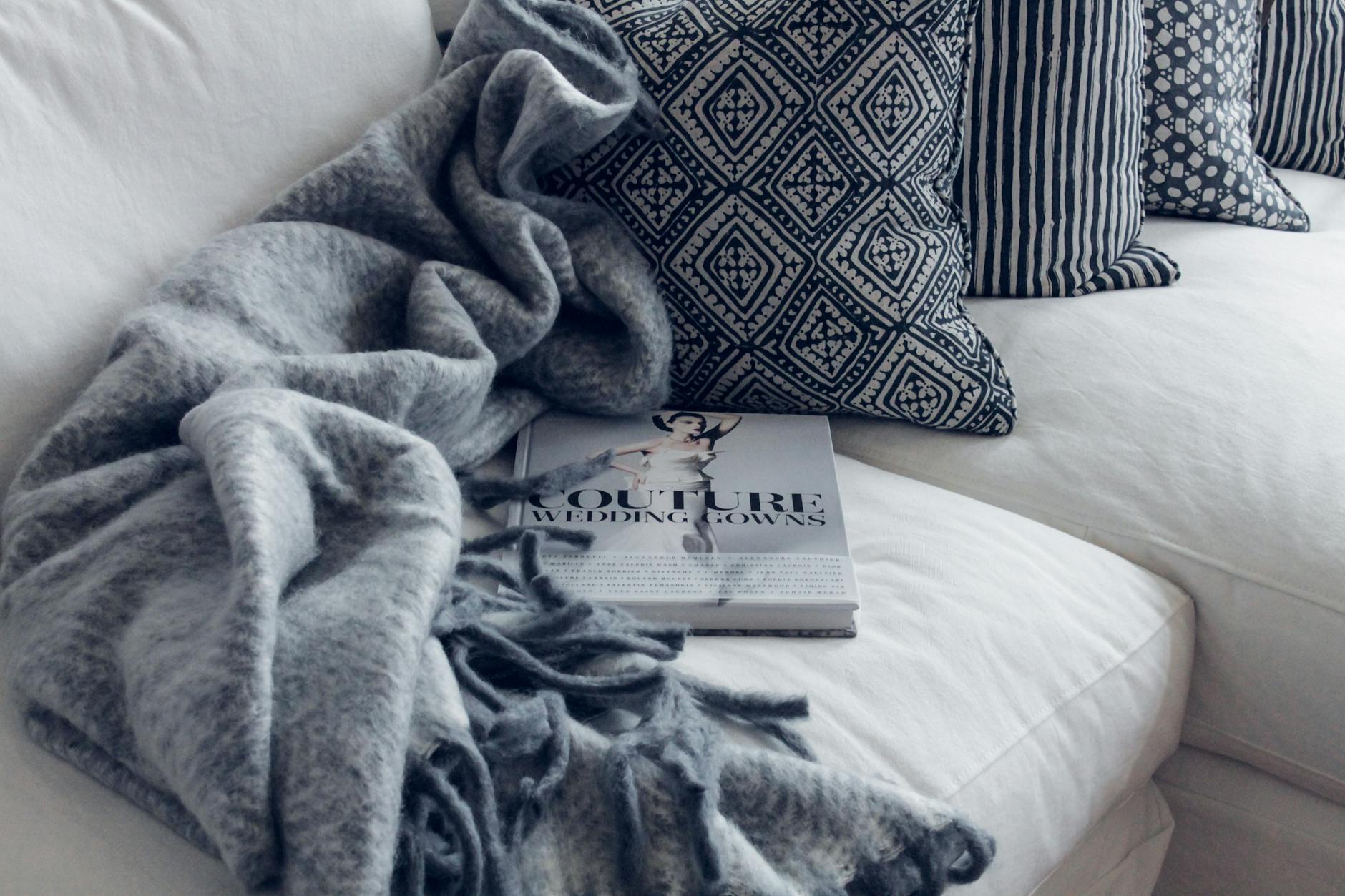
Decoding Texture and Weight: The Science of Choosing Your Throw Blanket
Selecting a throw blanket is not merely an aesthetic decision; it involves understanding material physics and tactile response. When we approach choosing throw blanket, we are essentially calibrating sensory input for our living space. Different fibers interact with light, absorb heat, and provide different psychological comfort levels. We must analyze the physical properties of textiles to achieve that elusive feeling of cozy sophistication.
The weight of a blanket directly correlates to its perceived luxury and functional utility. Heavier blankets signal substance and enveloping warmth. This density is achieved through the weave structure or by incorporating thicker yarns, which physically impede airflow and trap thermal energy effectively. Conversely, lighter weaves offer an airy, delicate feel that functions better in warmer environments or layered settings. Observing how a blanket drapes across a surface reveals its actual mass-to-area ratio. A properly weighted blanket creates a defined, intentional boundary within a room, contrasting sharply with the visual lightness of sheer fabrics.
The Critical Role of Fiber Content
The material composition dictates everything about a throw blanket’s performance and longevity. Natural fibers offer inherent softness and breathability, while synthetic options provide specific thermal regulation characteristics. We observe that wool, for instance, possesses an exceptional ability to manage temperature fluctuations. Its crimped fibers create microscopic air pockets that trap heat efficiently, making it superior for cold-weather layering.
Cotton presents a different profile; it is highly absorbent and offers a familiar, soft hand-feel. However, its structure changes significantly based on the thread count and weave density. A high-quality cotton knit will feel substantial yet remain breathable, allowing air to circulate comfortably against the skin. Synthetic materials, such as polyester blends, excel in durability and resistance to pilling. They offer consistent texture and are easier to maintain through washing cycles. When you examine yarn specifications, pay attention to the staple length; longer fibers generally translate to a smoother, less fuzzy final product.
Analyzing Weave Structures for Optimal Comfort
The way a fabric is constructed determines how it feels when touched and how it interacts with light. Knits, such as cable knit or chunky ribbing, create intentional textural variation through the manipulation of loops. These structures increase surface area and provide deep tactile engagement. A tightly woven structure results in a denser, more structured blanket that holds its shape well.
Twill weaves, common in heavier blankets, offer a diagonal texture that contributes to a rich visual depth. For achieving ultimate softness, we look at the yarn itself; merino wool or alpaca fibers introduce an inherent softness that synthetic materials often struggle to replicate without added treatments. When you are setting up a space for relaxation, consider how the chosen texture will interact with ambient light. Think about layering against your bedroom lighting secrets: creating cozy ambiance with warm glows enhances the visual depth of rich textures like a heavy knit.
Mastering the Art of Sizing and Scale
A blanket’s physical dimensions must align with the intended function within a decorated space. Choosing the correct size avoids awkward draping or an overwhelming presence, which are common pitfalls in home décor. We assess scale by comparing the blanket to the furniture it will accompany, whether that is a sofa, an armchair, or a bed frame.
For seating areas, a standard throw might be insufficient if you desire true enveloping comfort. Larger dimensions allow for deeper folds and a more luxurious cascade over the seating surface. When planning your space, visualize the blanket occupying the negative space between cushions. A blanket that is too small appears tacked on; one that is appropriately scaled seems integrated into the room’s design.
The concept of scale also influences visual impact dramatically. A massive, oversized throw introduces a bold, architectural element to the décor. A smaller, delicate piece serves as an accent, drawing attention to a specific texture or color palette. This conscious manipulation of size is a powerful tool in decorating strategy. We are essentially managing visual weight; the blanket must balance the room’s established focal points.
Understanding Blanket Length and Drape
The length of the throw directly affects its intended use. For draping over a sofa, a medium length allows for comfortable tucking and a pleasing visual flow from one end to the other. Longer blankets offer more opportunities for luxurious folds, which enhances the feeling of opulence. When considering how a blanket will be used—whether for wrapping up while reading or as a decorative element—the vertical dimension becomes critical.
The way the material hangs is determined by its weight and fiber elasticity. A heavy wool blanket will fall in deep, weighty folds, emphasizing its density. A lighter cotton throw will exhibit softer, more fluid ripples. We see this principle apply across décor choices; understanding how materials interact with gravity informs every selection we make, whether it is a textile or an accessory upgrade, like those found in luxurious bathroom upgrades.
Color Theory and Pattern Integration
The visual impact of a throw blanket is inseparable from its color story. Color dictates the emotional temperature of the space. Warm tones—terracottas, deep creams, muted oranges—naturally induce feelings of warmth and invitation. Cool tones, like slate blues or sage greens, introduce a sense of calm and spaciousness. Our analysis suggests that pairing these palettes with appropriate lighting amplifies the effect immensely.
When selecting patterns, the complexity must be considered against the room’s overall style. Bold geometric patterns demand a more minimalist background to avoid visual clutter. Subtle, organic patterns, like abstract weaves or muted plaids, harmonize easily with eclectic or traditional settings. The pattern acts as an anchor point for the entire arrangement.
Balancing Visual Noise
A blanket can serve as either a grounding element or a focal point. If the room already contains numerous patterned elements—artwork, pillows, rugs—the throw should introduce a simpler, unifying texture rather than competing for attention. Conversely, if the space is largely monochromatic, a richly colored or highly textured blanket can instantly inject necessary dynamism and personality. We observe that using complementary colors from other décor items establishes a cohesive visual narrative across the entire environment.
The interplay between pattern and texture must be managed carefully during choosing throw blanket. A heavily patterned fabric layered over a smooth surface creates high visual energy; a solid, heavily textured fabric provides restful grounding. This strategic use of visual information ensures that the textile contributes positively to the overall atmosphere rather than creating visual dissonance. The goal is tactile harmony alongside visual coherence.
Tags: throw blanket guide, home decor, cozy living, blanket selection, texture matters, home textiles, decor tips
Featured Image by Isabelle Taylor on Pexels.