
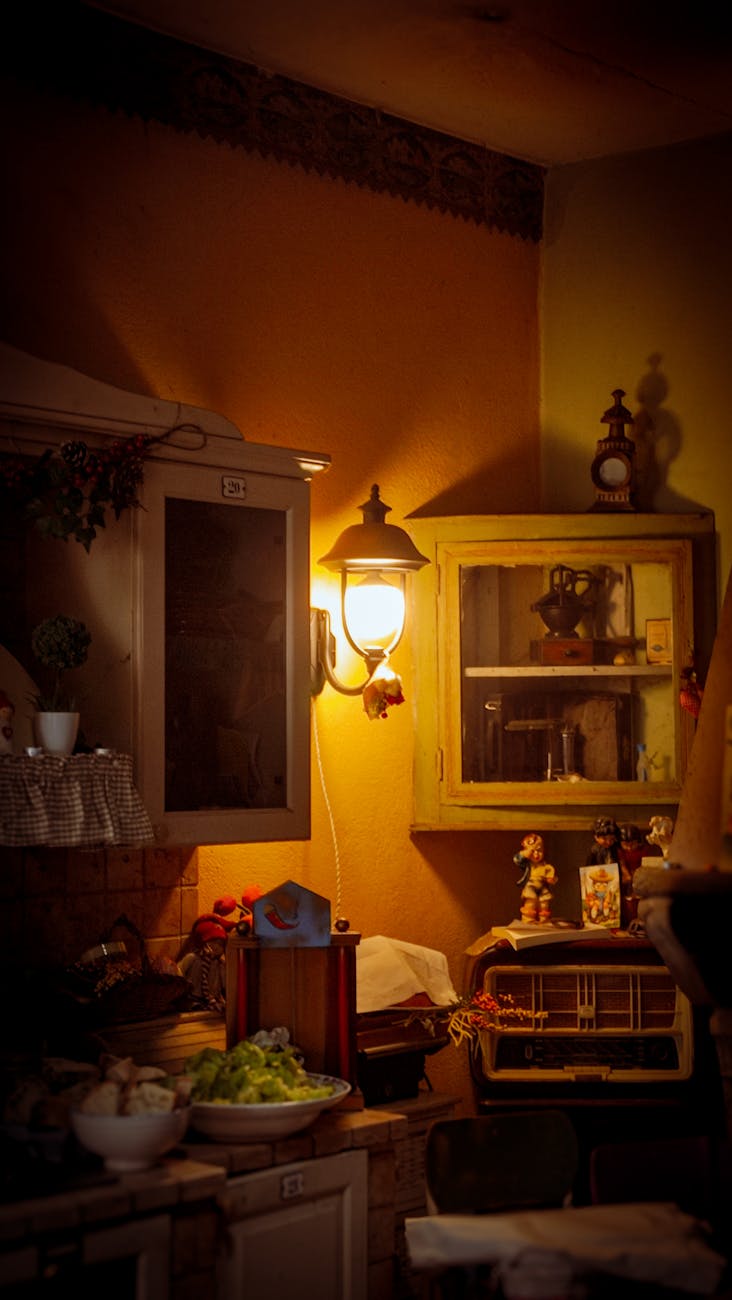
The Science of Warmth: Decoding Cozy Kitchen Lighting
The atmosphere of a kitchen dictates much more than just where food is prepared; it establishes the emotional tone of the entire home. We observe that the illumination we use directly interfaces with our biological systems, triggering specific psychological responses related to relaxation and focus. Mastering **cozy kitchen lighting** involves understanding the physics of light and its measurable effect on mood regulation. It is not merely about selecting a shade; it is about manipulating color temperature and luminosity to engineer a functional yet deeply comforting environment for culinary activity.
Understanding Color Temperature and Kelvin Scale
Light quality is fundamentally defined by its color temperature, measured in Kelvin (K). This numerical scale dictates whether the light perceived as warm, neutral, or cool. Low Kelvin values, typically below 3000K, emit a warmer, more amber glow, mimicking candlelight or sunset. Conversely, higher Kelvin settings, above 4000K and approaching 5000K, produce a brighter, cooler illumination that enhances alertness. In practice, for creating a sanctuary in the kitchen, we prioritize the lower end of this spectrum. Light in the 2700K to 3000K range effectively stimulates the production of melatonin and serotonin, promoting feelings of calm and security.
When designing your space, consider the task at hand. Cooking demands focus, but the environment surrounding that focus should be soothing. A harsh, cool light forces the visual system into a state of high alertness, which can counteract the desired feeling of relaxation. We find that ambient lighting should be deliberately softened to invite lingering rather than immediate distraction.
Layering Light for Depth and Functionality
A single overhead fixture rarely delivers the nuanced ambiance required for true coziness. Effective illumination requires layering light sources to address different functional zones within the kitchen. This technique allows us to modulate intensity and color across the space, moving beyond simple on/off switches into spatial design.
For example, integrating under-cabinet lighting serves a dual purpose. It provides high-intensity task lighting directly onto the countertops where prep work occurs, which is functionally necessary. Simultaneously, this light spills softly onto the workspace, adding a warm perimeter that visually anchors the area. This interplay between bright function and soft ambient glow creates depth.
Then there are accent lights. Placing low-level fixtures, perhaps small pendant lights or strategically placed dimmable sconces on open shelving, introduces visual interest. These elements draw the eye to textures—the grain of wood, the sheen of copper, the pattern of ceramics—transforming functional surfaces into decorative focal points. This is where the aesthetic element merges seamlessly with utility.
Fixture Selection: Materiality and Diffusion
The physical fixture itself plays a significant role in the light’s quality. We must examine how light interacts with the materials chosen for the fixtures. Highly reflective surfaces can amplify the warmth, while matte finishes absorb and diffuse light gently.
Metals like brass or aged bronze naturally reflect light in a rich, warm spectrum, enhancing the inviting atmosphere of **cozy kitchen lighting**. Conversely, stark white or chrome can appear sterile under warmer tones, necessitating careful material selection to maintain the desired ambiance. Consider fixtures with diffused glass or linen shades; these materials act as natural diffusers, softening harsh shadows and ensuring that the light spreads evenly across the room rather than creating stark spotlights.
The choice of fixture material connects directly to the overall sensory experience we are trying to establish. When aiming for a deeply relaxed space, materials that feel organic and tactile reinforce the feeling of being enveloped, much like the principles espoused in finding simple ways to create cozy home vibes.
The Impact on Culinary Rituals
The kitchen is where many daily rituals occur, from hurried breakfasts to leisurely evening meals. How we illuminate this space directly influences the experience of cooking itself. A brightly lit, cool kitchen can feel more like a sterile laboratory, whereas a warmly illuminated space encourages slower, more intentional engagement with ingredients and processes.
We observe that when lighting supports a sense of calm, cognitive load decreases. When you are relaxed, your working memory is freed up to focus on technique and flavor pairing instead of fighting visual harshness. This shift in mental state translates directly into a better, more enjoyable cooking experience. Imagine preparing a complex recipe; the soft glow allows the focus to settle on the delicate balance of spices rather than the glare of the countertop.
Beyond the Cooking Zone: Extending the Warmth
The effect of warm light should not be confined solely to the immediate workspace. A truly cozy environment extends outward, creating a cohesive sensory experience throughout the living area. This principle applies equally to adjacent spaces. If one designs the kitchen for warmth, that warmth should permeate the adjoining dining or casual areas.
This interconnectedness is crucial when expanding the concept of coziness across the entire dwelling. For instance, extending this focus on warm illumination into other relaxation zones proves beneficial. Consider how ambient light influences spaces designed purely for repose. A carefully calibrated, low-level glow in a reading nook signals safety and invitation, encouraging deeper unwinding. This interconnected sensory design is evident when one applies these principles to areas like a Hygge Bathroom Reading Nook: Cozy Decor Ideas, where the goal is complete immersion in comfort.
Practical Implementation: Controlling the Ambiance
Achieving perfect **cozy kitchen lighting** requires active control over the light’s behavior throughout the day and evening cycle. Automation and dimming capabilities are not luxuries; they are mechanisms for achieving dynamic ambiance.
Install smart lighting systems that allow you to program scenes. For example, a “Morning Prep” scene might utilize slightly brighter, more neutral light (around 3500K) to maximize visual acuity during the day. As evening approaches, transitioning to a warmer setting (2700K or lower) signals the transition from active work to relaxed dwelling. This deliberate shift leverages circadian rhythm principles alongside aesthetic preference.
The mechanism of dimming itself is powerful. Gradual reduction in luminosity reduces visual strain and encourages introspection. Allowing the light intensity to drop subtly invites occupants to slow their pace, fostering the meditative quality often associated with **The Art of Hygge: Simple Ways to Create Cozy Home Vibes**. This gradual transition moves the space from a place of task efficiency to a sanctuary of repose.
Ultimately, transforming a functional space into a cozy haven relies on treating light as an architectural material. By consciously managing color temperature, layering intensity through strategic fixture placement, and integrating these choices with the intended ritual—be it cooking or reading—you engineer an environment that supports well-being. This is the analytical path to achieving truly warm interior design.
Tags: kitchen lighting, warm light, home decor, kitchen design, lighting tips, cozy home, interior design
Featured Image by Alperen Erfidan on Pexels.