
Decoding Color Psychology for Ultimate Comfort
When we select colors for a living space, we are not simply choosing aesthetics; we are engaging with deep psychological mechanisms that directly influence mood and behavior. The visual environment acts as a non-verbal communicator, subtly regulating the occupants’ physiological states. Understanding how specific hues interact with human perception allows us to engineer spaces that actively promote relaxation and connection. We observe from the data that certain chromatic combinations trigger specific emotional responses rooted in evolutionary and learned associations.
The goal of achieving a truly cozy atmosphere is to modulate the ambient temperature of the room, both literally through perceived warmth and figuratively through psychological safety. This requires moving beyond surface-level trends and diving into the measurable effects of hue saturation and value on our autonomic nervous system. A well-chosen **cozy living room color palette** functions as an atmospheric regulator, shifting cognitive load and promoting a state conducive to unwinding.
The Mechanism of Warmth: How Color Affects Physiology
Warm colors—reds, oranges, and yellows—possess a physiological effect that stimulates energy and increases heart rate, which can feel invigorating. Conversely, cool colors, such as blues and greens, tend to have a calming, sedative effect on the system. In a living space context, the balance between these forces dictates whether the room feels energetic or restorative. We are seeking an equilibrium where stimulation is balanced by tranquility.
Consider the application of deep terracotta or burnt orange tones. These saturated warm colors signal intimacy and invitation. They encourage occupants to settle in rather than remain on alert. When applied thoughtfully to large surfaces, they create an enveloping sense of physical presence. This effect is amplified when paired with textured materials like wool or velvet, which introduce tactile warmth that complements the visual warmth.
Conversely, incorporating muted sage greens or soft dusty blues engages the parasympathetic nervous system. These cooler tones facilitate a slower heart rate and reduce perceived stress levels. This mechanism is particularly useful in spaces where occupants require significant decompression after a demanding day. The right palette manages this internal negotiation between activity and rest.
Selecting Your Core Palette: Warm vs. Cool Dominance
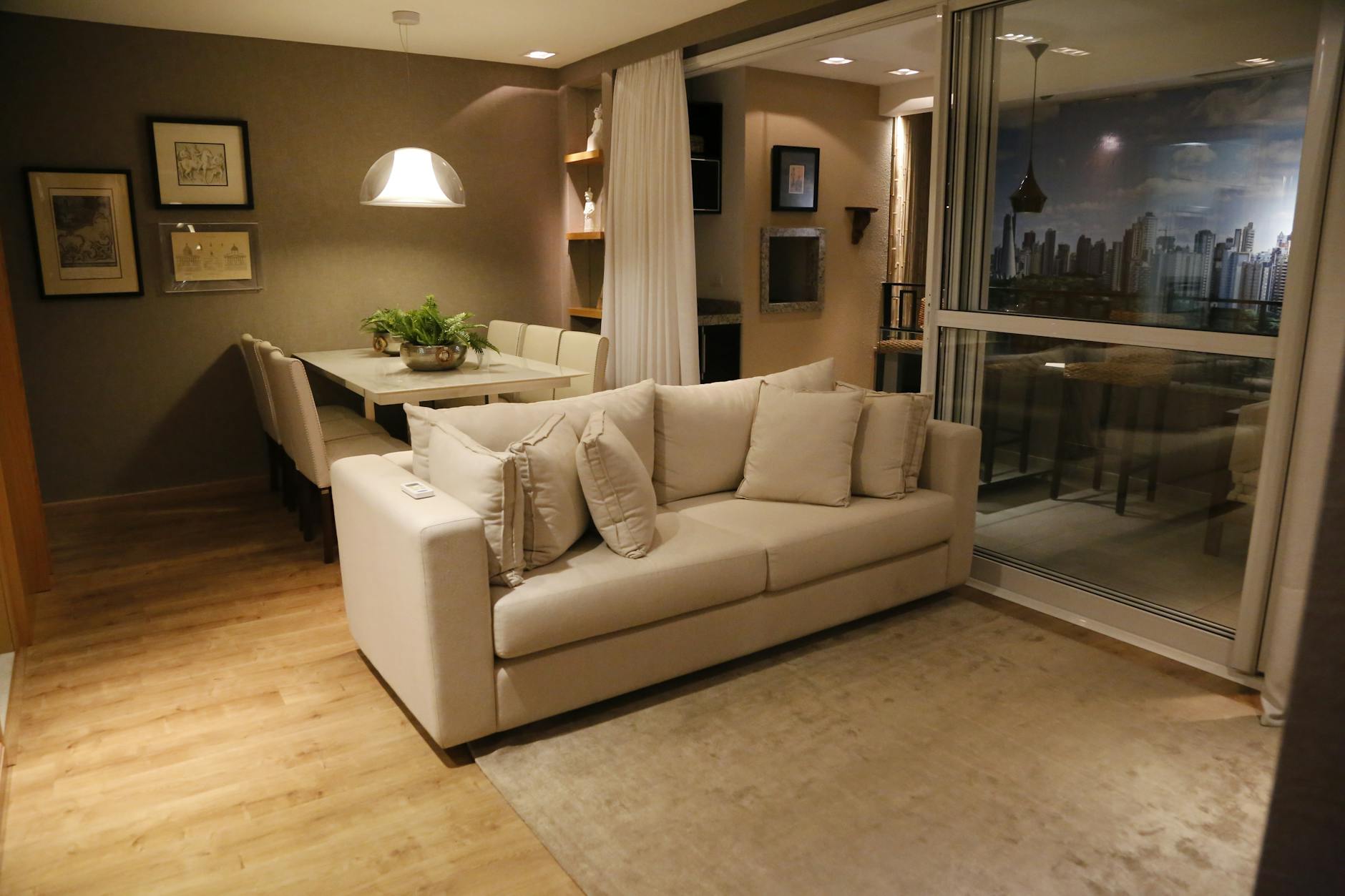
The initial decision hinges on the desired baseline emotional tone for the space. For fostering deep, enveloping coziness, leaning into warm tones establishes an immediate sense of embrace. A palette dominated by creamy ivories, rich ochres, and deep mahogany creates an atmosphere reminiscent of a hearth—a primal symbol of safety and gathering. This approach demands rich textures to fully manifest its potential.
If the goal is tranquility, shifting focus toward cooler undertones becomes the operative strategy. Consider palettes built around muted seafoam or soft greys infused with beige. These tones allow light to diffuse softly across surfaces, minimizing harsh visual contrast. We see that using mid-tones rather than stark, saturated colors allows the eye to rest and absorb the ambient light gently. This subtlety is crucial when designing spaces intended for prolonged relaxation.
We analyze how these choices interact with natural light exposure. Rooms receiving abundant northern light benefit from cooler palettes, as they prevent the space from feeling overly warm or heavy in low-light conditions. South-facing rooms can comfortably handle richer, deeper warm tones, which amplify the sunlight’s intensity into golden hues. This environmental variable must be factored into the selection process for any **cozy living room color palette**.
Layering Depth: Introducing Accent Colors and Tones
A monolithic application of a single hue often results in a flat appearance; true depth emerges when layers are introduced. Think about employing analogous schemes, where colors sit near each other on the color wheel, ensuring visual harmony. For instance, pairing warm browns with muted rusts and soft creams creates an inherently cohesive, warm experience. This layering technique prevents the room from feeling overwhelming while still delivering intense comfort.
Introducing a carefully selected accent color serves to provide focal points without disrupting the overarching mood. A deep jewel tone, like sapphire blue or emerald green, used sparingly in textiles or artwork, injects a sophisticated depth. This contrast stimulates visual interest precisely where the eye naturally rests. The psychological impact here is one of curated richness; the room feels intentional and layered, rather than simply decorated.
We observe that metallic finishes also play a critical role in amplifying the perceived warmth. Brushed brass or aged bronze introduce reflective warmth that interacts dynamically with the painted surfaces. These elements act as bridges between the cool tones and the warm hues, knitting the entire color scheme together into a singular, cohesive sensory experience.
Integrating Texture: The Tactile Dimension of Coziness
Color dictates mood; texture dictates sensation. True coziness in a living space is achieved through tactile engagement. We must incorporate materials that invite touch, encouraging occupants to physically inhabit the space rather than just observe it visually. Think about the juxtaposition of smooth, cool surfaces with deeply textured textiles.
Velvet upholstery absorbs light softly, offering a luxurious visual depth while feeling incredibly soft against the skin. A chunky knit wool throw introduces an organic, tactile roughness that grounds the color scheme in lived-in comfort. When designing these elements, the material’s texture should complement the chosen palette; for example, a deep charcoal velvet pairs exquisitely with warm amber accents.
When planning furniture arrangement, consider how materials interact spatially. Placing large, soft seating arrangements encourages physical closeness and conversation. If you are curating a smaller space, employing smart design techniques helps maximize this feeling of enclosure without sacrificing flow. Exploring Multi-Functional Furniture Hacks for Cozy Micro-Apartments can help ensure that the functional elements do not detract from the enveloping sensory experience.
Practical Application: Designing Functional Comfort Zones
The application of color must serve the function of creating distinct zones within the larger living area. A large, expansive room benefits from a unifying, subtle palette, allowing the texture and furniture to provide the necessary variation. Smaller areas benefit from bolder, more focused applications where the psychological effect is concentrated.
We can delineate functional zones using slightly different tonal shifts. For example, the primary seating area might adopt the deepest, warmest tones to foster deep relaxation. An adjacent reading nook or accent chair could introduce a slightly cooler tone—a muted sage or soft grey—to signal a space dedicated to focused contemplation. This subtle chromatic shift guides behavior unconsciously toward the intended activity.
Designing cozy reading nooks for your bedroom requires this same principle of sensory layering. The walls might embrace deep, restful tones, while the textiles and accent lighting introduce pockets of inviting warmth. When creating these smaller sanctuaries, every element must work in tandem to achieve maximum psychological retreat. The environment itself becomes an extension of the desired state of mind.
The process moves from abstract color theory to tangible, experiential design. We are not merely applying paint; we are programming an atmosphere. By understanding the interplay between hue, light, and texture, we engineer environments where rest feels inevitable and comfort is intrinsically woven into the spatial fabric. The resulting **cozy living room color palette** is not arbitrary; it is a deliberate strategy for enhancing human well-being.
Tags: living room decor, color psychology, warm tones, home decorating, cozy home, interior design, color scheme
Featured Image by Vidal Balielo Jr. on Pexels.