
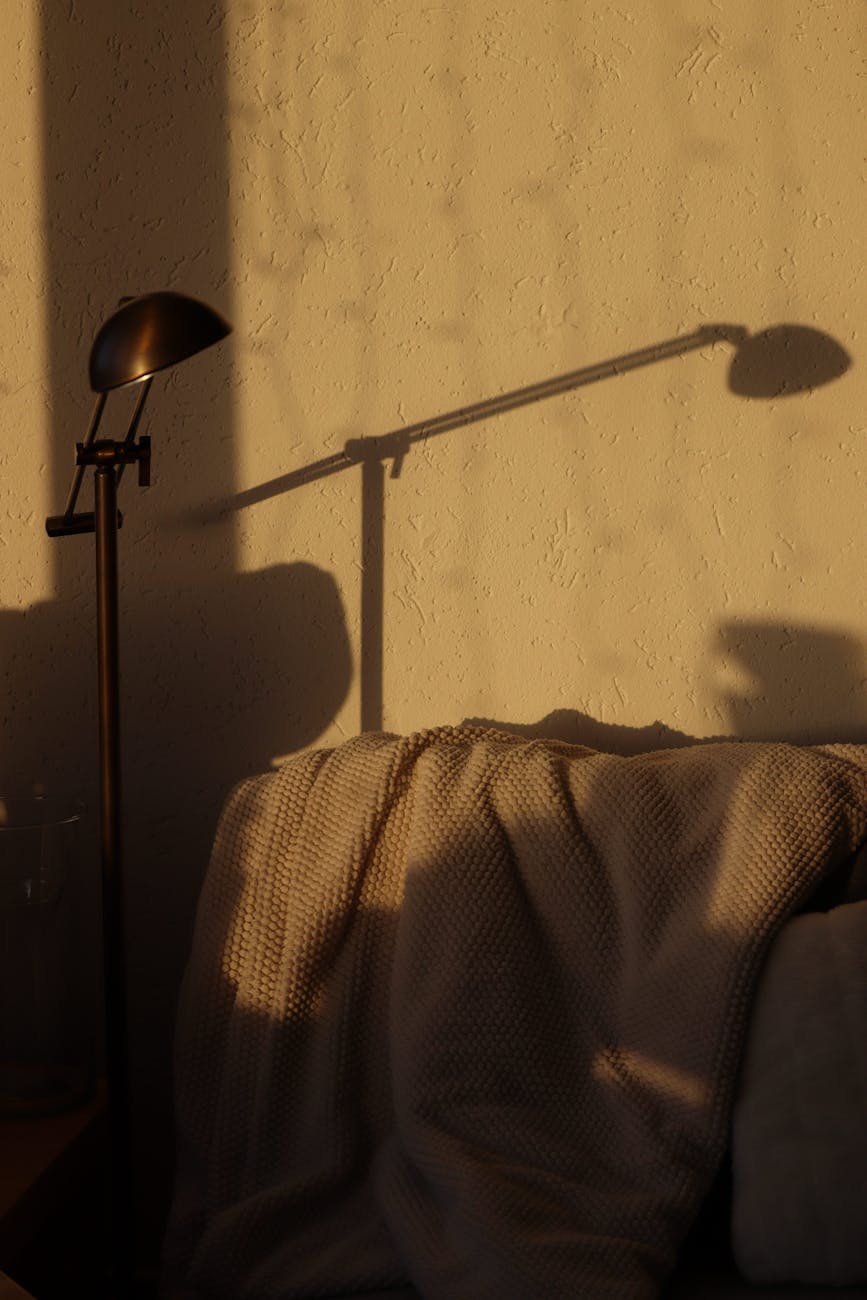
The Physics of Warmth: Deconstructing Layered Lighting Cozy Home
We often associate coziness with a single source—a flickering candle or a soft, ambient glow. However, true, deep-seated comfort in a designed space arises not from simple illumination, but from the precise manipulation of light quality and spatial layering. Mastering **layered lighting cozy home** involves understanding how different light types interact with physical textures, architectural features, and our own physiological responses to color temperature. We observe from the data that a single overhead source fails because it creates unflattering shadows and neglects functional needs.
The mechanism begins with controlling the spectral composition of the light. Color temperature, measured in Kelvin (K), dictates the perceived warmth or coolness of a light source. Light in the 2700K to 3000K range mimics the warm, inviting glow of incandescent bulbs, triggering serotonin release and promoting relaxation. Conversely, higher Kelvin values introduce a cooler, more energetic feel suitable for task-oriented activities. Successful layering demands integrating these spectral shifts across multiple planes within a single environment.
Ambient Light: Setting the Emotional Baseline
Ambient lighting functions as the foundational layer; it establishes the overall mood of the space. This light should be diffused and indirect, avoiding harsh shadows wherever possible. We aim for illumination that envelops the room rather than spotlighting specific objects. Think about how natural light shifts throughout the day; we seek to replicate that gentle transition indoors. Using dimmers on general sources allows us to calibrate this baseline precisely. A warm, low ambient setting signals safety and relaxation immediately upon entry.
When designing this base layer, consider material reflectivity. Matte surfaces absorb light gently, enhancing the sense of softness. Highly reflective surfaces bounce the light around, multiplying the perceived glow. For example, soft linen drapery absorbs some light while diffusing the remaining photons evenly across the ceiling plane. This careful balance dictates the initial feeling before any specific task is introduced.
Task Lighting: Function Meets Feeling
Task lighting addresses specific activities, providing the necessary functional illumination for reading, cooking, or crafting. The objective here is focused intensity delivered where needed, minimizing visual fatigue. We use this layer to introduce more focused warmth without overwhelming the ambient setting. When illuminating a reading nook, for instance, the light source should be positioned directly over the surface being examined, creating an area of high luminance that contrasts gently with the softer background.
This focus is critical when moving between functional zones. In a bathroom setting, for example, lighting around vanity mirrors must balance sufficient brightness for grooming with a soft hue to avoid clinical harshness. We see this principle applied effectively when designing spaces like Hygge Bathrooms: Creating Cozy Nooks with Warm Light & Texture. Here, the light is directed precisely onto textural elements, emphasizing the tactile quality of natural materials and creating intimate zones. The interplay between focused light and surface texture deepens the sensory experience significantly.
Accent Lighting: Sculpting Space and Depth
Accent lighting serves to draw attention to specific architectural features, art, plants, or focal points within the decor scheme. This layer adds necessary visual hierarchy; it introduces depth by playing with contrast. By selectively illuminating a piece of textured wall or an interesting piece of furniture, we guide the viewer’s eye and define spatial relationships. We use this technique to sculpt the environment rather than simply illuminate it uniformly.
The intensity of accent lighting must be carefully controlled so it enhances the focal point without creating distracting glare. If highlighting a piece of rustic wood or stone accents, the light should graze the surface, emphasizing the grain and texture, which is why incorporating Rustic Bathroom Decor: Natural Wood & Stone Accents works so well with warm spotlights. This process involves understanding the relationship between shadow and form; shadows are not absences of light but active components that define shape and mood.
Integrating Warm Tones for Maximum Coziness
The chromatic choice in layered lighting directly governs the psychological impact of the space. Warm tones—those leaning heavily toward amber, soft orange, or deep yellow—are intrinsically linked to feelings of comfort, nostalgia, and safety. We achieve this by selecting bulbs with a lower Kelvin rating, typically below 3000K for living areas. This deliberate choice signals to the visual system that the environment is safe and conducive to rest.
When mixing light sources, maintaining tonal consistency across all layers prevents visual dissonance. If your ambient light is very warm (2700K), your task lights should remain within a similar temperature band, perhaps slightly warmer if performing detailed work. Mixing extremely cool light with intensely warm light creates an irritating visual conflict that disrupts the intended cozy effect. We must ensure the entire illuminated volume shares a unified chromatic signature.
Practical Application: Designing Your Lighting Strategy
Implementing this system requires strategic placement and fixture selection. Consider using dimmable smart bulbs across all layers, granting dynamic control over the mood as needed throughout the day. Placement dictates functionality; sconces should illuminate reading areas without causing glare, and floor lamps provide soft pools of light that anchor seating arrangements. We observe that incorporating indirect lighting—light bounced off walls or ceilings rather than direct illumination—maximizes the soft, enveloping effect essential for coziness.
For instance, placing a lamp behind a sofa creates an immediate sense of enveloping warmth. This technique utilizes the wall plane as a secondary light source, deepening shadows and enhancing textural richness across the entire seating area. The result is a space that feels intentionally curated, deeply comfortable, and perfectly balanced between functionality and atmosphere. Mastering **layered lighting cozy home** moves beyond mere illumination; it becomes an act of sensory design.
Tags: cozy home decor, layered lighting, warm tones, ambient lighting, interior design, home atmosphere, lighting tips
Featured Image by Ali on Pexels.