
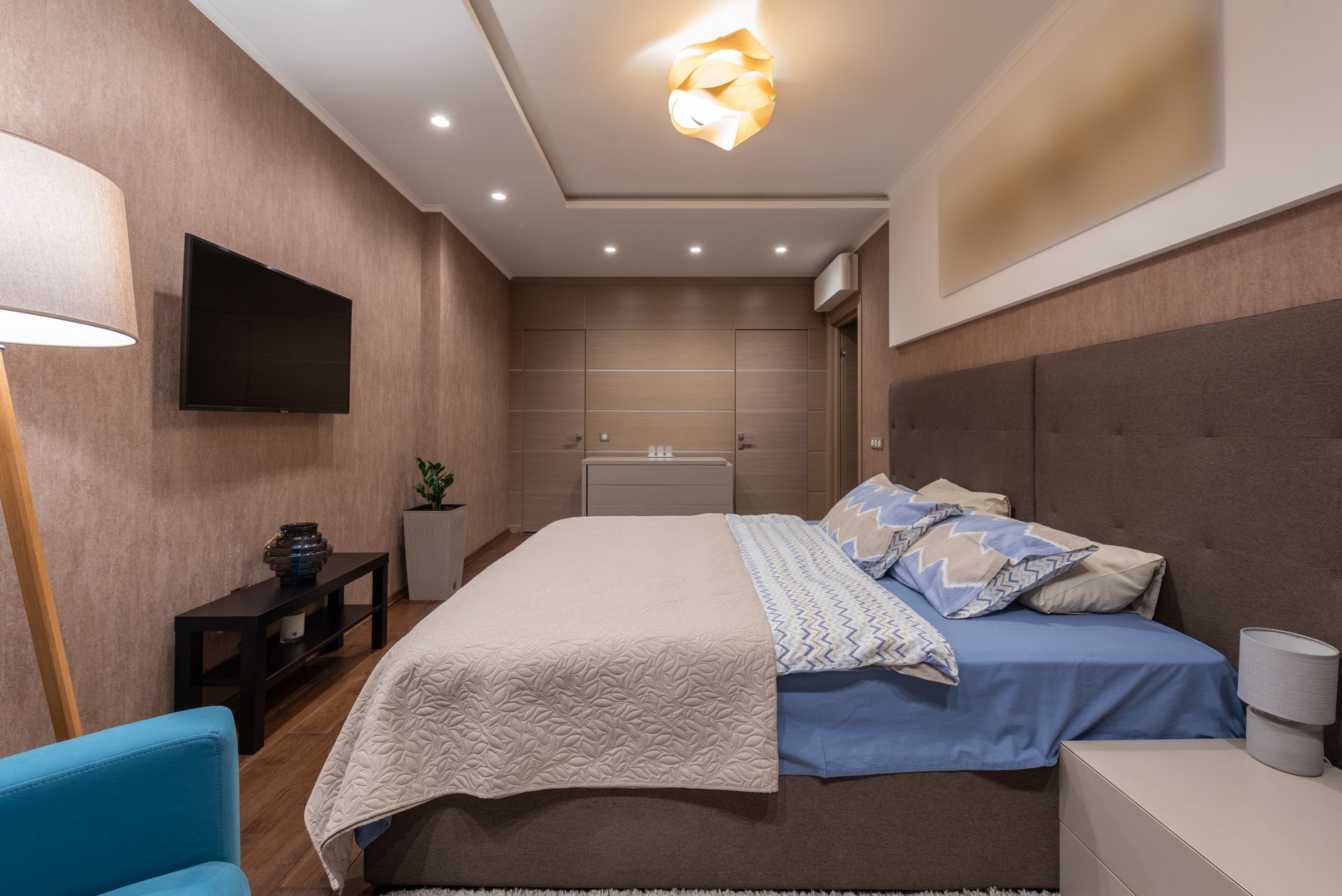
The Science of Light: Engineering Your Bedroom Atmosphere
When we consider transforming a bedroom from a mere sleeping space into a true sanctuary, we must move beyond aesthetics and engage with the physiological response to illumination. The way light interacts with our circadian rhythm directly modulates melatonin production and overall psychological state; this is the core mechanism behind effective **ambient lighting bedroom** design. We are not simply choosing bulbs; we are engineering an environmental input that signals safety and rest to the central nervous system.
We observe from the data that the spectral composition of light plays a critical role in setting the mood. Light sources emit photons across a spectrum, and the specific wavelengths influence alertness versus relaxation. Warm-toned light, typically rich in the yellow and red frequencies (below 3000 Kelvin), signals the body that it is time to wind down. Conversely, cooler, blue-rich light stimulates the production of cortisol, keeping the system alert and engaged. Therefore, implementing smart lighting systems allows us to dynamically adjust this spectral profile throughout the day.
Establishing Optimal Color Temperatures for Sleep Cycles
The goal when designing an **ambient lighting bedroom** is to synchronize the lighting environment with the body’s natural diurnal rhythm. For evening use, research consistently points toward temperatures below 3000 Kelvin as optimal for promoting sleep onset. This low-intensity, warm glow minimizes the photonic stimulation that could otherwise delay melatonin release.
We see a clear correlation: exposure to high-intensity white light, characteristic of midday illumination, actively suppresses the hormonal cascade necessary for deep rest. By intentionally lowering the color temperature in the evening, we provide the brain with the appropriate environmental cue. This manipulation is more precise than simple mood setting; it involves direct biochemical influence on sleep architecture.
When installing your lighting scheme, consider the intensity alongside the hue. A soft, diffused light source achieves a gentler transition into sleep, preventing visual overstimulation. Hard, direct illumination creates sharp shadows and high contrast, which triggers an instinctive state of alertness that actively opposes relaxation. We must prioritize diffusion; the goal is to eliminate harsh transitions between illuminated and shadowed areas.
The Mechanics of Dimming: Controlling Light Intensity
Dimming technology moves beyond simply reducing wattage; it involves controlling the output level of photons. When we adjust the intensity, we are manipulating the total energy input into the visual field. This control mechanism is essential for creating true ambient effects rather than just toggling on or off harsh illumination.
A well-designed system incorporates dimmers that allow gradual, incremental changes in light output. This slow modulation respects the body’s need for a gradual shift away from daytime alertness toward nighttime repose. Observe how gradually decreasing the light level facilitates the natural decrease in alertness. Rapid shifts are disruptive; smooth transitions are conducive to physiological settling.
In practice, we find that the relationship between perceived brightness and psychological comfort is non-linear. A slight reduction in intensity, when paired with a warm tone, often yields a greater sense of coziness than a drastic change in hue alone. This layered control allows for subtle atmospheric shifts that support deep relaxation without demanding conscious effort from the occupant.
Integrating Texture and Light: Layering Sensory Comfort
The visual experience created by lighting does not exist in isolation; it interacts intrinsically with the physical textures surrounding it. To achieve a genuinely cozy sanctuary, we must integrate tactile elements with our chosen illumination strategy. This synergy moves the space from being merely lit to feeling enveloping.
Consider the interplay between soft textiles and diffused light. When warm ambient light bathes richly textured fabrics—think heavy linen or plush velvet—the shadows soften, and the texture becomes more perceptible, inviting closer engagement. This sensory layering reinforces the intended mood established by the light itself. We are essentially using illumination to highlight the comforting qualities of physical materials.
This concept extends beyond the bedroom walls. The principle of tactile comfort applies wherever we seek refuge. For example, when curating a living space, introducing layered textiles, such as **Layering Linens Rugs for a Cozy Kitchen**, demonstrates how surface texture modulates perceived warmth and invitation. Similarly, in spaces demanding intimacy, intentionally designing areas where light pools softly encourages a sense of safe enclosure.
Designing Intimate Zones Through Shadow Play
Shadows are not simply the absence of light; they are active participants in spatial perception. In a space dominated by strong, direct light, shadows create stark boundaries and potential visual tension. Conversely, using carefully placed **ambient lighting bedroom** sources allows us to sculpt these shadows. We can draw attention to architectural features or, more effectively, conceal distracting elements, fostering an atmosphere of mystery and intimacy.
We analyze how shadow play affects perceived depth. Soft, diffused light creates gentle gradients that allow the eye to rest without being overwhelmed by high-contrast areas. This technique helps define zones within a larger space, making the room feel intentionally segmented into cozy, separate areas rather than one monolithic block.
When designing specific intimate spots—perhaps a reading nook or a bedside area—we can employ focused, low-level lighting. This pulls the visual focus inward, signaling that this particular zone is dedicated solely to rest and personal reflection. This intentional focusing moves the experience from functional illumination to immersive atmosphere. We see this principle applied when we focus on creating specific areas of comfort; for instance, **Design Cozy Corners: Creating Intimate Nooks for Living Room Comfort** relies entirely on manipulating light and texture to establish that sense of secluded warmth.
Practical Implementation: Selecting Fixtures and Controls
The successful execution of an ambient lighting strategy depends heavily on the selection of hardware and the control mechanisms employed. Poor fixture choice or inadequate control technology will undermine even the most thoughtful design intentions. We must focus on the quality of the light source itself, not just the effect it produces.
Light fixtures should prioritize diffusion over direct output. Lamps with opaque or frosted diffusers scatter photons evenly, preventing harsh hotspots and maximizing the soft glow necessary for relaxation. We look for indirect sources—cove lighting, wall sconces, and table lamps—as these methods naturally generate the desired ambient effect. Avoid stark overhead fixtures when aiming for a sanctuary feel; they inherently promote functional illumination rather than atmospheric warmth.
The control system must be intuitive and easily accessible. Smart home integration allows users to manage complex scene settings with minimal physical interaction. We can program specific lighting profiles, such as a “Sunset Mode” that automatically shifts the Kelvin temperature down and dims the intensity simultaneously. This automation removes the cognitive load of managing settings while ensuring the desired physiological outcome is met consistently every night.
Our analysis suggests that the technology facilitates this synchronization between environment and biology. The ability to establish consistent routines—a gradual dimming sequence leading into sleep, for example—is what truly solidifies the bedroom as a restorative space. This process moves beyond mere decoration; it becomes applied environmental psychology, using light as a primary tool for promoting health and deep rest.
Tags: ambient lighting, bedroom design, cozy decor, sleep quality, warm light, home decor, mood lighting
Featured Image by Max Vakhtbovych on Pexels.