
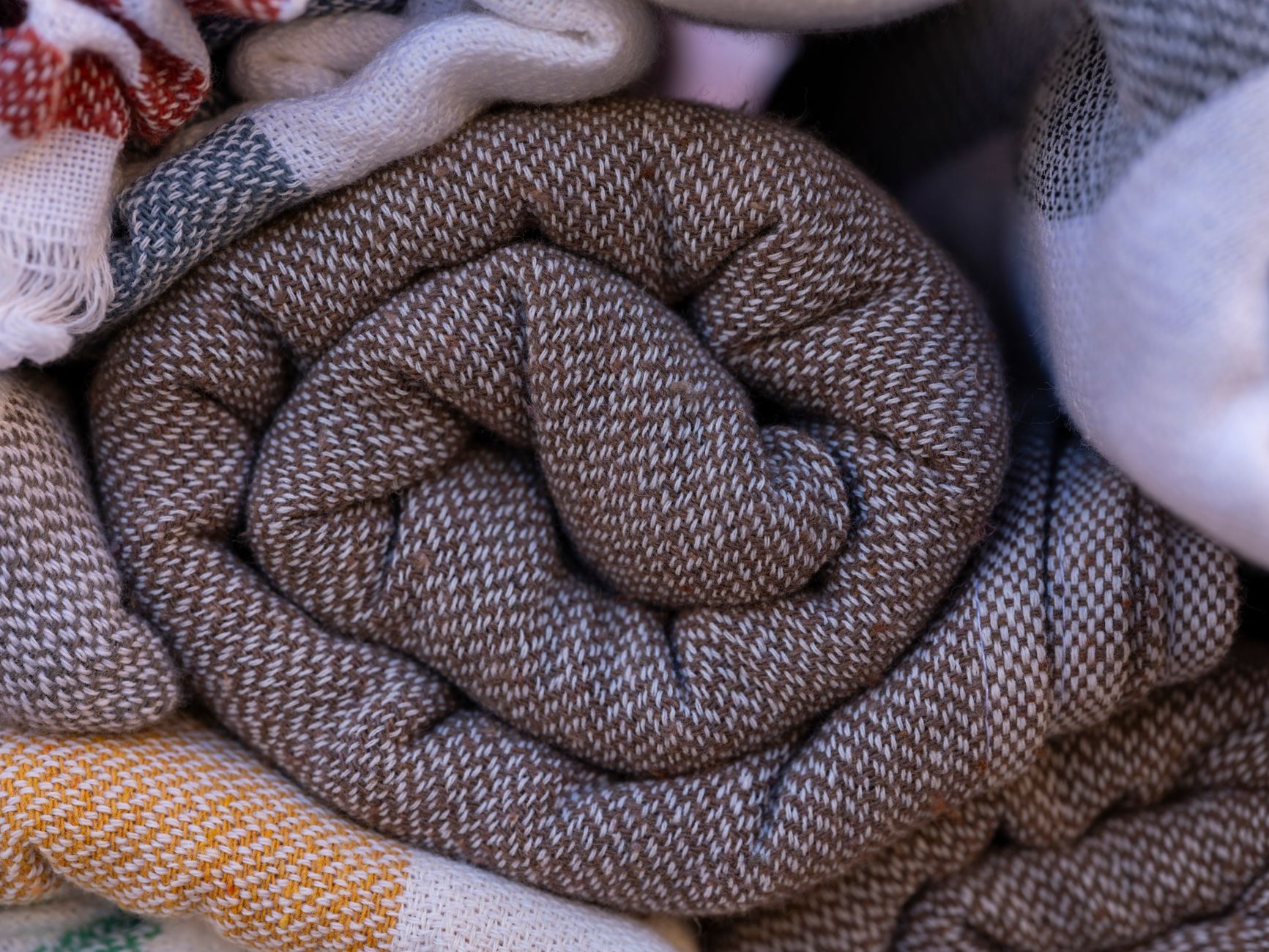
Mastering the Science of Cozy Bath Textiles
The bathroom space, often relegated to purely functional necessity, presents a unique opportunity for sensory manipulation. We observe how the selection and arrangement of textiles directly impact perceived comfort levels, shifting a sterile environment into a sanctuary. This transformation hinges entirely on understanding the physics of texture, density, and visual weight when employing **cozy bath textiles**. It is not simply about covering surfaces; it is about engineering an atmosphere through tactile input.
The Mechanism of Tactile Comfort
The sensation of coziness originates in how our skin interacts with the environment. When we utilize plush materials—think high-pile terry cloth or thick, looped cotton—we increase the surface area engagement with our body. This physical contact triggers a cascade of neurological responses that signal relaxation. Rougher, less yielding fabrics create a sense of tension; conversely, dense, soft textiles invite tactile exploration, effectively reducing perceived physiological stress.
We see this principle consistently across our living spaces. Consider how we manage comfort in the bedroom versus the bathroom. The principles are identical: maximizing softness reduces the cognitive load associated with entering that space. When designing a truly restful environment, one must account for the entire sensory journey. For example, understanding how to achieve deep relaxation involves not just temperature regulation but also tactile engagement. This connects directly to concepts explored when we discuss [Layering Textures for Ultimate Bedroom Comfort](https://decorandliving.com/layering-textures-bedroom-comfort/).
Strategic Layering: Beyond a Single Towel
A single plush towel provides initial comfort, but true immersion requires systematic layering. We are not aiming for a singular statement piece; we are constructing an enveloping experience. This process involves stacking materials of varying densities and textures to create depth. A thick bath mat placed under a soft hand towel establishes a foundational sense of grounding. The subsequent layer, perhaps a waffle-weave towel draped over the edge, introduces textural contrast that enhances the overall sensory richness.
This layering mechanism manipulates light and shadow as well as physical touch. Dense materials absorb ambient light, creating pockets of intimate shadow that signal retreat. Lighter, airier textiles allow light to diffuse softly across the surface. Analyzing this interaction reveals why mixing materials is superior to using monolithic blocks of identical fabric. We observe that this juxtaposition stimulates more complex sensory processing pathways, resulting in a significantly higher subjective feeling of warmth and security.
Selecting Materials for Maximum Plushness
The material composition dictates the performance of any textile intended for bathroom use. Fiber content, thread count, and pile length are crucial technical specifications when sourcing these items. High-quality Turkish cotton or bamboo blends offer superior absorbency coupled with a luxurious hand-feel. The density of the yarn directly correlates with how plush the final product feels underfoot or against the skin.
We must scrutinize the manufacturing process. A high thread count, for instance, implies a greater number of interwoven fibers, which translates into a denser, smoother surface structure. Conversely, low-quality materials often exhibit pilling quickly, which disrupts the intended smooth sensory experience. When selecting **cozy bath textiles**, we are selecting performance materials designed to maximize tactile pleasure and functional utility simultaneously. The goal is sustained softness, not fleeting fluff.
Integrating Textiles with Bathroom Design Elements
The placement of these plush items must align with the room’s architectural flow. A bath rug should anchor the space, providing a stable foundation for the entire arrangement. It grounds the visual field and provides immediate tactile feedback when stepping out of the shower. Consider how this interaction mirrors the design principles applied elsewhere. The overall aesthetic relies on creating zones of intentional softness rather than accidental clutter.
When integrating these textiles, we must account for material longevity alongside immediate comfort. Heavy-duty weaves handle high moisture exposure well, but pile fabrics require careful consideration regarding maintenance to preserve their plush volume over time. Understanding how materials age informs the long-term strategy for decorating any space. This requires an analytical approach to textile care as much as aesthetic selection.
The Psychological Impact of Softness
The psychological benefit derived from these textiles moves beyond mere physical comfort; it affects mood regulation. Exposure to soft textures lowers heart rate variability, a measurable physiological indicator of stress reduction. When we engage with deeply plush surfaces, the brain registers this input as a signifier of safety and decompression. This is why incorporating **cozy bath textiles** into the bathroom functions as an accessible method for immediate psychological recalibration.
The visual effect amplifies this internal state. Soft colors, rich in texture, introduce warmth into spaces that might otherwise feel cold or clinical. We see this effect when we consider how ambient light influences mood; achieving a soft illumination strategy enhances the overall feeling of sanctuary. For instance, pairing plush textiles with warm-toned lighting creates an immediate, enveloping atmosphere conducive to unwinding.
Creating Cohesive Sensory Environments
The ultimate achievement in bath textile design is creating a seamless sensory environment. This means ensuring that every element—from the towel absorbency to the rug’s density to the surrounding light—works in concert toward a singular goal: profound comfort. We are engineering an experience where the transition from the functional space to the relaxing space is immediate and tactilely satisfying.
The synergy between these elements dictates the success of the design intervention. A carefully curated collection of plush items transforms the bathroom from a utilitarian area into a deliberate retreat. This analytical approach allows us to move beyond superficial styling and engage with the tangible, measurable impact of texture on human experience. We utilize textiles not just for decoration, but as functional tools for sensory architecture.
Tags: bath textiles, cozy home, bathroom decor, plush towels, textile layering, bathroom comfort, home textiles
Featured Image by Engin Akyurt on Pexels.