
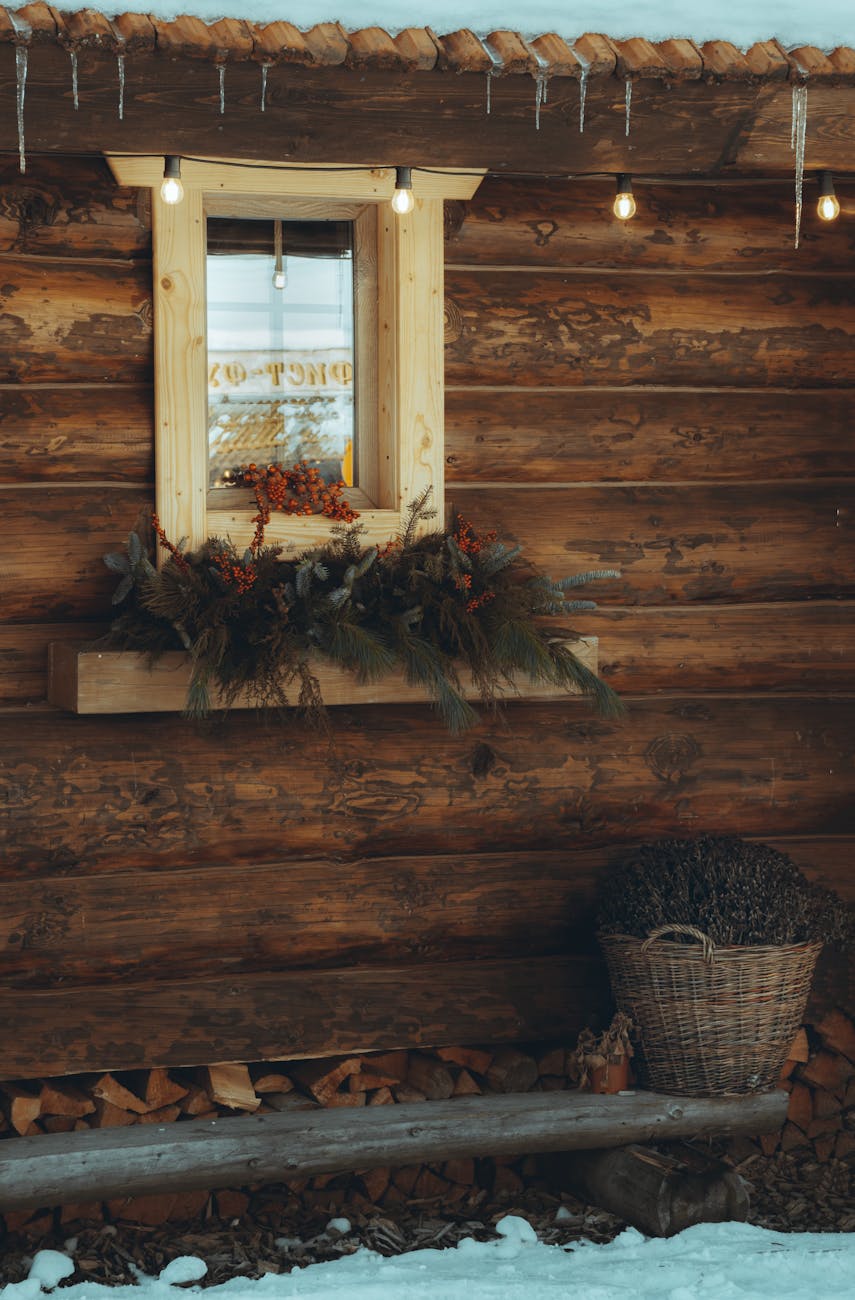
Crafting Atmosphere: The Mechanics of Rustic Woodland Decor
We are seeking to replicate the sensory experience of a deep forest environment within the confines of domestic architecture. This is not merely about placing decorative items; it involves manipulating light, texture, and organic forms to induce a specific psychological state—one of profound coziness and enchantment. The appeal of Rustic Woodland Decor stems from its inherent connection to nature, suggesting primal comfort against the often sterile backdrop of modern life. Our analysis shows that successful implementation relies on understanding how natural materials interact with indoor spatial dynamics.
Deconstructing the Aesthetic: Materiality in Woodland Design
The foundation of effective woodland styling rests upon authentic material selection. We observe that the visual impact is directly correlated with the tactile reality of the objects introduced into the space. Raw, untreated wood possesses a unique quality; its visible grain and inherent imperfections communicate history and organic growth, contrasting sharply with manufactured smoothness. When selecting pieces for your decor, consider the porosity and texture of the material. Rough-hewn branches offer a dynamic, asymmetrical line that guides the eye, while aged wood introduces deep, warm undertones that absorb light in a desirable manner.
Moss, for instance, functions as an excellent textural element. Its dense, muted green acts as a living carpet, softening hard architectural lines and introducing an essential sense of damp, earthy vitality. Introducing elements like dried moss or preserved lichen manipulates the visual temperature, pulling the room away from starkness toward an organic embrace. The interplay between the warm, deep browns of aged timber and the cool, muted greens creates a sophisticated tension that defines the woodland mood.
Manipulating Light and Shadow for Depth
The effectiveness of any decor scheme is heavily dependent on how light interacts with the chosen materials. In interior design, light is not just illumination; it is a primary design tool used to sculpt space and define mood. When employing Rustic Woodland Decor, we must account for ambient lighting conditions. Natural light, when filtered through sheer fabrics or positioned strategically near large windows, accentuates the texture of wood and casts dynamic shadows that mimic the dappled light found beneath a forest canopy.
Shadow play adds significant depth to a room. Deep shadows create pockets of intimacy, encouraging occupants to settle into those areas. This effect is amplified when using layered textures; a soft woolen throw draped over a rough wooden stool creates an immediate sensory juxtaposition. We see this mechanism in practice: layering materials prevents the space from feeling flat, forcing the eye to navigate complex visual planes. To achieve a truly immersive atmosphere, consider pairing these organic elements with Moody & Mystical Color Palettes for Cozy Home Decor. Deep forest greens, charcoal grays, and muted earth tones serve as the perfect backdrop, allowing the wood tones to emerge as focal points of warmth.
Incorporating Organic Forms: Branches, Twigs, and Natural Sculptures
The structural components of woodland design involve utilizing natural forms in ways that suggest movement rather than static arrangement. Branches and twigs are not simply decorative accents; they function as linear elements that introduce asymmetry and organic flow into structured interiors. Placing a fallen branch across a mantlepiece or arranging dried twigs within a simple vase introduces an element of captured wilderness. This mimics the spontaneous, untamed growth found outside, bringing an untamed energy indoors.
The process involves selecting pieces based on their natural curvature and texture rather than geometric precision. Observe how a piece of driftwood, for example, inherently possesses an organic trajectory. We use these forms to guide visual pathways across the room, drawing attention to corners or creating focal points that feel naturally emergent. This approach shifts the focus from mere decoration to environmental storytelling; the objects appear as if they have naturally settled into their positions over time.
Textural Richness: Beyond Surface Appearance
Cozy spaces demand a high degree of textural engagement. A visually rich environment engages multiple senses simultaneously, which is critical for achieving true sensory comfort. The tactile quality of Rustic Woodland Decor must be explored through varying surfaces. Think about the difference between the cool, smooth surface of polished stone and the dry, fibrous texture of bark or woven wool.
Introducing textiles plays a crucial role in amplifying this textural contrast. Heavy, hand-knitted throws, chunky knit blankets, and faux furs absorb sound and visually soften any harsh edges introduced by raw wood. When designing spaces for smaller footprints, such as setting up a reading area, incorporating these soft elements directly enhances the feeling of sanctuary. For instance, creating a comfortable nook requires combining natural wood elements with ample, soft textiles to invite prolonged rest. If you are exploring how to optimize small areas, reviewing resources on setting up a Cozy Reading Nook in Small Spaces will provide practical spatial strategies that integrate texture seamlessly.
Creating Sanctuary: The Psychological Impact of Natural Elements
The ultimate goal of this type of decorating is to establish a psychological sanctuary. The deliberate introduction of organic, natural materials triggers innate human responses associated with safety and primal connection. Our research suggests that exposure to natural patterns, even simulated ones, lowers physiological stress markers. When an individual views objects reminiscent of the stable, enduring quality of the forest—solid wood, living moss, rough bark—the brain processes this as a cue for security.
This mechanism works because these elements bypass purely intellectual assessment and engage more ancient sensory pathways. The visual complexity of Rustic Woodland Decor provides something for the eye to rest upon while simultaneously offering enough detail to engage deeper contemplation. This contrasts sharply with highly minimalist, sterile environments that demand constant cognitive processing. Instead, a cozy space allows the mind to relax into the ambient textures and muted light. It fosters a sense of being sheltered, deeply rooted, and completely at ease amidst the hustle of daily life. The careful assembly of wood, moss, and branches transforms mere interior design into an immersive, restorative experience.
Tags: woodland decor, rustic decor, winter decor, cozy home, nature decor, wood accents, forest style
Featured Image by Artem Lysenko on Pexels.