
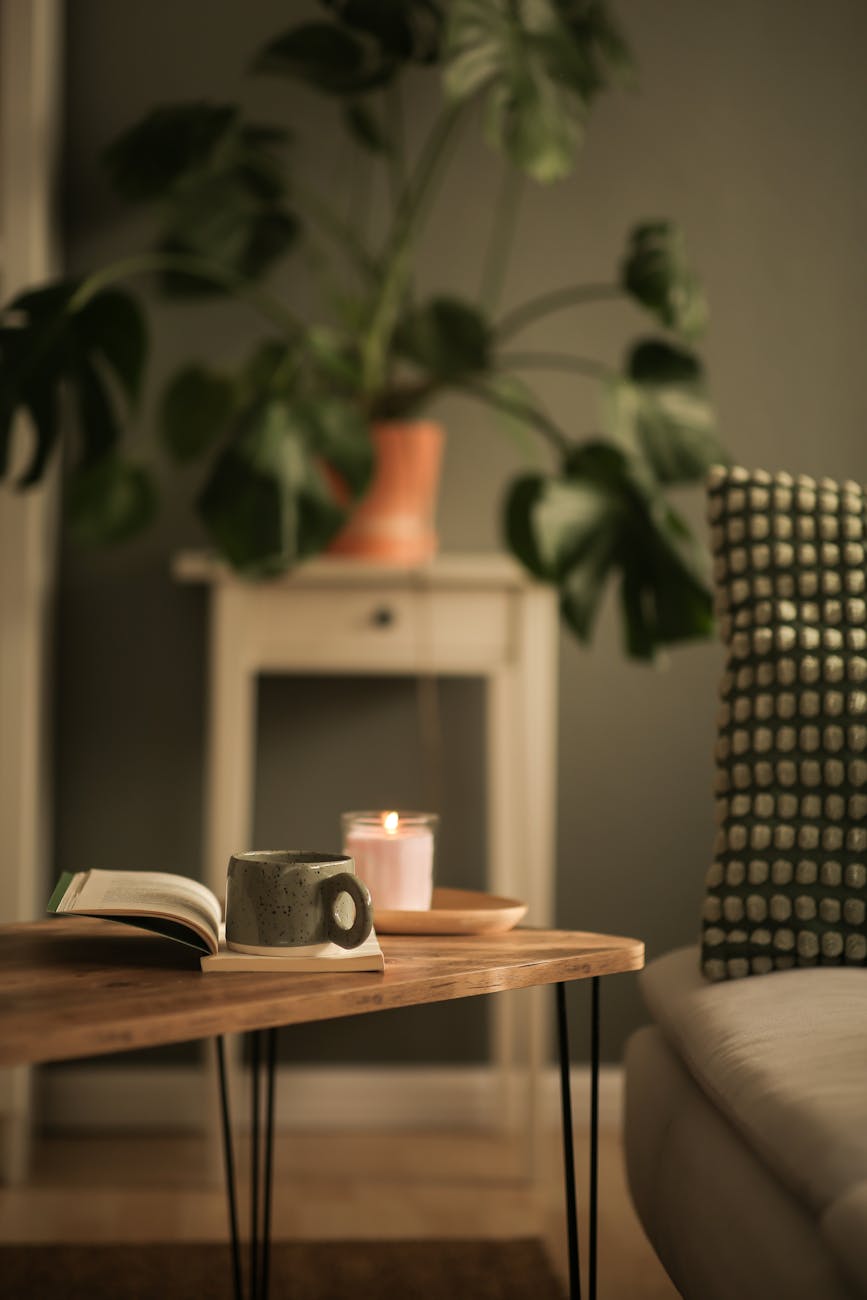
The Science Behind Intentional Living Room Vignettes
We often approach interior design as aesthetic arrangement, but true coziness arises from deliberate spatial psychology. A living room vignette is more than just a collection of objects placed in a specific area; it functions as a curated visual narrative designed to elicit a specific emotional response from the occupant. When we study successful designs, we observe that these vignettes operate by manipulating focal points and creating perceived intimacy within an open space. The goal is to establish zones of comfort, guiding the eye and facilitating a sense of grounded tranquility.
This intentional styling involves understanding principles of visual hierarchy. We arrange items not randomly, but according to established rules of balance and proximity. Think of the principle of visual weight; heavier or more visually dense objects should anchor the arrangement. This anchoring provides the necessary stability for the overall grouping to feel settled and inviting. The effectiveness of any living room vignettes strategy depends entirely on the execution of these underlying principles, moving beyond simple decoration toward genuine spatial engineering.
Establishing Focal Points Through Grouping
The core mechanism of a successful vignette is the establishment of a clear focal point. This point acts as the anchor around which all other elements orbit, preventing the space from feeling chaotic or dispersed. We achieve this by employing proximity and scale. Placing related items in close physical proximity signals to the brain that these objects belong together, forming a cohesive unit rather than disparate accessories scattered across the floor.
When we analyze effective groupings, we see a pattern where the largest or most visually complex piece assumes the role of the primary anchor. For example, a large, statement piece of art or an oversized sofa dictates the scale for everything placed around it. Smaller items are then introduced to provide texture, context, and complementary color accents. This process systematically reduces visual noise. The surrounding objects serve to support the focal point, enhancing its presence rather than competing with it.
Mastering Texture and Tactile Experience
Cozy spaces rely heavily on sensory engagement; the aesthetic experience must translate into a physical feeling of warmth and invitation. Texture is arguably the most potent tool in this tactile manipulation. Introducing varied surfaces—soft wool, smooth ceramics, woven textiles—creates a rich, layered visual texture that invites physical interaction. We are not merely decorating surfaces; we are engineering tactile comfort.
Consider how different materials interact with light. Rough linen absorbs light differently than polished brass reflects it. This interplay determines the perceived warmth of a space. For instance, layering a chunky knit blanket over a sofa introduces an immediate sense of softness and invitation. This effect is amplified when the material itself suggests coziness; we observe that textiles introduce necessary visual softness where hard architectural lines might otherwise feel sterile. If you are focusing on creating depth, understanding how light interacts with different material densities becomes essential to crafting that immersive feeling.
The Power of Color Theory in Vignettes
Color selection dictates the emotional temperature of the entire grouping. Warm tones inherently induce feelings of comfort and relaxation, while cooler tones can introduce a sense of calm distance. When designing living room vignettes, we leverage color palettes to establish this baseline atmosphere. A consistent use of analogous or complementary colors across all elements ensures visual harmony.
We frequently utilize earth tones for cozy home decor: creating warmth and comfort. These muted, deep hues—terracotta, sage green, warm beige—naturally slow down visual processing. This effect is scientifically rooted in the psychological association these colors carry with natural environments and safety. By anchoring the vignette in these tones, we activate subconscious associations of restfulness. Observe how this works when pairing rich wood tones with muted textiles; the resulting juxtaposition creates a sophisticated yet deeply relaxing atmosphere.
Curating Collections: Intentional Layering
A successful vignette is not a static display; it is an evolving collection that invites interaction over time. This requires intentional layering—the deliberate placement of objects at different visual depths. We arrange items to create layers of sight, moving from foreground emphasis to background context.
We start with the largest elements defining the spatial boundaries. Next, we introduce mid-sized pieces that establish the primary theme—perhaps a grouping of side tables and accent chairs. Finally, we layer in smaller, highly tactile objects: books stacked artfully, candles, decorative bowls, or carefully folded throws. This process creates visual pathways for the eye to travel slowly across the arrangement. The depth created by this layering prevents the vignette from feeling flat; it invites closer inspection.
Integrating Functionality and Flow
The most sophisticated living room vignettes seamlessly integrate form with function. Every object within the grouping must serve a purpose, whether aesthetic or practical, without disrupting the intended flow. Clutter is the antithesis of coziness; it introduces cognitive friction. We analyze how functional pieces—like carefully chosen shelving units or side tables—can act as organizational anchors while still contributing to the aesthetic.
When selecting items, we assess their role in the overall visual rhythm. Does this piece enhance the texture? Does it provide necessary surface area? Does it direct a necessary line of sight? If an item serves only one function, its placement must be deliberate to maximize its contribution to the holistic effect. We see that objects like beautifully textured throws not only add softness but also define the seating area, physically inviting occupancy into the space.
Developing Personalized Narratives
Ultimately, designing your space is about constructing a personal narrative. Your living room vignettes should reflect your life experiences and current emotional state. Avoid chasing fleeting trends; focus instead on objects that resonate with your personal history or aspirations for relaxation. This means selecting pieces based on how they make you feel when you look at them, not just how they look on a catalog page.
We must move past generic decorating advice toward personal curation. When you select items, ask yourself what story this piece tells. Does it evoke the feeling of a quiet morning read? Does it suggest a cozy evening gathering? This internal filtering process ensures that the final arrangement is deeply meaningful. It transforms an assembled collection into a sanctuary—a space intentionally designed for your comfort and reflection.
Tags: living room decor, interior styling, cozy home, vignettes, living room design, intentional decor, home styling
Featured Image by Leyla Kılıç on Pexels.