
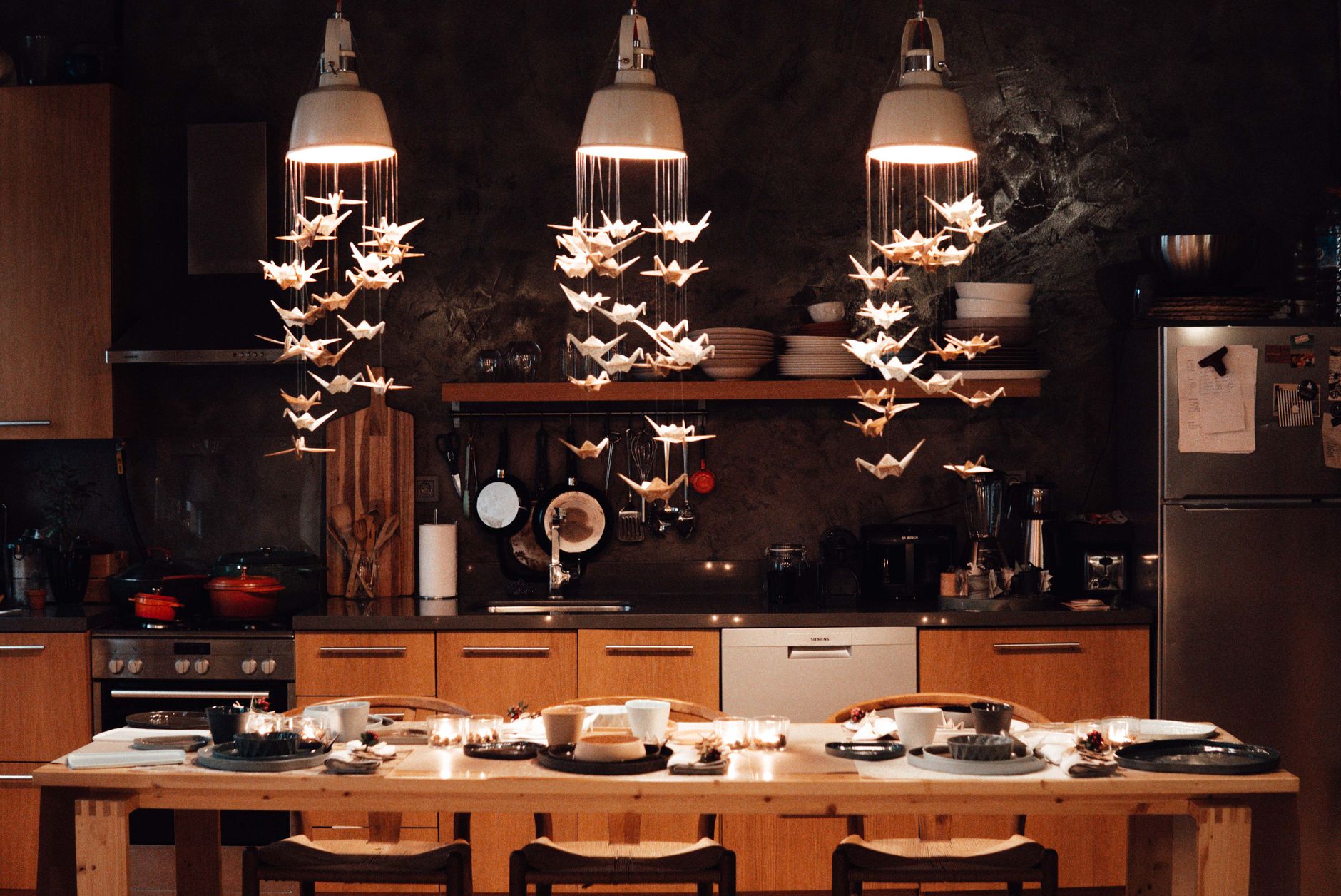
The Science of Light: Engineering Warmth in Your Kitchen
The atmosphere within a kitchen fundamentally dictates its function and emotional resonance. We often focus on countertops and cabinetry, overlooking the subtle yet powerful role illumination plays in establishing a psychological environment. When we discuss **warm kitchen lighting**, we are not merely selecting a color temperature; we are manipulating circadian rhythms and cognitive processing within the space. Our observation from the data shows that the spectral composition of light directly influences perceived warmth and appetite, creating a feedback loop between visual input and physiological state.
The mechanism at play here involves the manipulation of correlated color temperatures (CCT), measured in Kelvin (K). Cooler light, typically above 4000K, mimics daylight; it enhances alertness, sharpens details, and signals an active, task-oriented environment, suitable perhaps for intensive meal preparation or quick tasks. Conversely, lower CCT values, generally below 3000K, introduce a richer, amber hue. This shift triggers the release of melatonin in the body, signaling rest and relaxation—a state conducive to unwinding after a long day. Understanding this physiological response allows us to intentionally design environments that support comfort, rather than simply illuminating surfaces.
Decoding Color Temperature and Mood
The transition from stark white to warm amber is not arbitrary; it is rooted in human visual perception interacting with environmental context. When light sources emit wavelengths in the 2700K to 3000K range, we perceive a softer, more inviting glow. This spectral distribution mimics the flickering, gentle warmth of firelight or candlelight, associations deeply embedded in human evolutionary psychology regarding safety and domesticity. In practice, selecting bulbs in this spectrum immediately reduces visual stress levels for occupants.
We observe that this effect is amplified when integrating textural elements into the design scheme. A space bathed in warm light feels inherently more tactile; it invites lingering. Consider how this principle extends beyond the kitchen. When designing a living area, embracing softer illumination encourages a slower pace of interaction and deeper engagement with the surroundings. This intentional creation of an enveloping atmosphere connects directly to principles like The Art of Hygge: Designing Cozy Scandinavian Spaces, where the emphasis is placed on soft textures and subdued light sources to foster profound comfort.
Practical Application in Kitchen Design
Applying this understanding to kitchen design requires a systematic approach. We must assess the intended function of the space before selecting fixtures or bulbs. A highly functional workspace benefits from brighter, cooler illumination during active preparation phases. However, the zones dedicated to dining, casual conversation, and evening relaxation benefit immensely from warmer tones. This suggests employing layered lighting strategies rather than relying on a single, uniform source.
We see that mixing light temperatures effectively creates visual hierarchy. Placing dimmer switches or utilizing smart lighting systems allows occupants to dial in the appropriate mood instantly. For instance, setting the task lighting directly over the cutting board to a more neutral white can enhance precision, while ambient overhead lighting should lean into the warm spectrum when guests are present. This dual approach ensures the space serves both functional and emotional needs simultaneously.
Layering Light for Depth and Functionality
A single light source fails to provide comprehensive coverage or nuanced ambiance; true coziness emerges from layering. Think of it as constructing an atmosphere, one illuminated plane at a time. We layer light using three primary mechanisms: ambient, task, and accent lighting. Each layer serves a distinct purpose in controlling the visual experience.
Ambient Lighting: Setting the Overall Tone
Ambient lighting functions as the foundational layer, providing the general illumination level for the room. When aiming for **warm kitchen lighting**, this layer should be warm and diffused. We look at fixture type here; recessed lighting, when used correctly with appropriate diffusion panels, can distribute light evenly without harsh shadows. The goal is to eliminate stark contrast between light and shadow, which inherently creates visual tension. Soft, indirect light washes over surfaces, making the entire volume of the room feel cohesive and welcoming.
Task Lighting: Defining Functional Zones
Task lighting targets specific activities where precision matters most. In the kitchen, this means focused illumination directly onto workspaces—the countertops, the island, and the areas immediately surrounding appliances. For these zones, a slightly brighter output, perhaps leaning toward the neutral end of the spectrum (around 3500K), supports visual acuity during detailed work. This layer ensures that utility is maintained without sacrificing overall warmth. We observe that insufficient task lighting forces occupants to rely on harsher general illumination, which negates the cozy effect we are trying to achieve.
Accent Lighting: Highlighting Texture and Detail
Accent lighting serves to draw attention to specific focal points, introducing depth and richness into the décor. This is where the warmth becomes intensely palpable. Use focused spotlights to highlight beautifully textured backsplash tiles, the grain of wooden cabinetry, or decorative pottery on open shelving. When these accent lights are set at a lower Kelvin value, they pull the viewer’s eye to areas that invite tactile appreciation. This technique works powerfully when juxtaposed with rich, soft materials; for example, highlighting the texture of a chunky knit throw blanket enhances its perceived softness and invitation to touch, as seen in guides on DIY Knit Throw Blankets: Master Cozy Texture for Your Sofa.
Materiality and the Warmth Transfer
Light interacts dynamically with the physical materials surrounding it. The reflectivity and inherent warmth of surfaces modulate the light quality entering the space. Dark wood absorbs some light but reflects the warm tones back softly, deepening the ambiance. Conversely, highly reflective, glossy surfaces can introduce sharp highlights if the lighting is too intense. This interaction between the emitted light and the material’s surface texture is critical in engineering perceived coziness.
Consider the choice of finishes. Matte finishes absorb harsh reflections, promoting a softer visual experience suitable for ambient settings. Polished or semi-gloss finishes reflect light more intensely, which requires careful control over CCT to prevent glare. When pairing warm lighting with natural materials like aged wood or matte ceramic tiles, the resulting effect is symbiotic; the material amplifies the warmth of the light source. This synergy moves beyond mere aesthetics into the realm of sensory experience.
The Psychology of Warm Hues in Domestic Spaces
The psychological impact of **warm kitchen lighting** extends to our sense of security and domestic ease. In a space designed for gathering, a warm environment signals safety and welcome. Studies on environmental psychology indicate that warmer light levels correlate with lower physiological arousal, promoting a state of calm engagement rather than anxious alertness. This is why integrating these tones into high-traffic areas like the kitchen becomes a deliberate act of creating sanctuary. The gradual shift away from clinical, cold illumination toward enveloping warmth redefines the space as a refuge.
We see this principle consistently applied across interior design trends that prioritize comfort. The entire sensory experience—the visual spectrum, the tactile feel of materials, and the psychological response—must align toward a shared goal: creating an atmosphere where one feels completely at ease. This requires moving beyond simple fixture selection to understanding how light calibrates our daily emotional landscape.
Tags: kitchen lighting, home decor, cozy home, light temperature, kitchen design, ambient lighting, interior design
Featured Image by furkanfdemir on Pexels.