
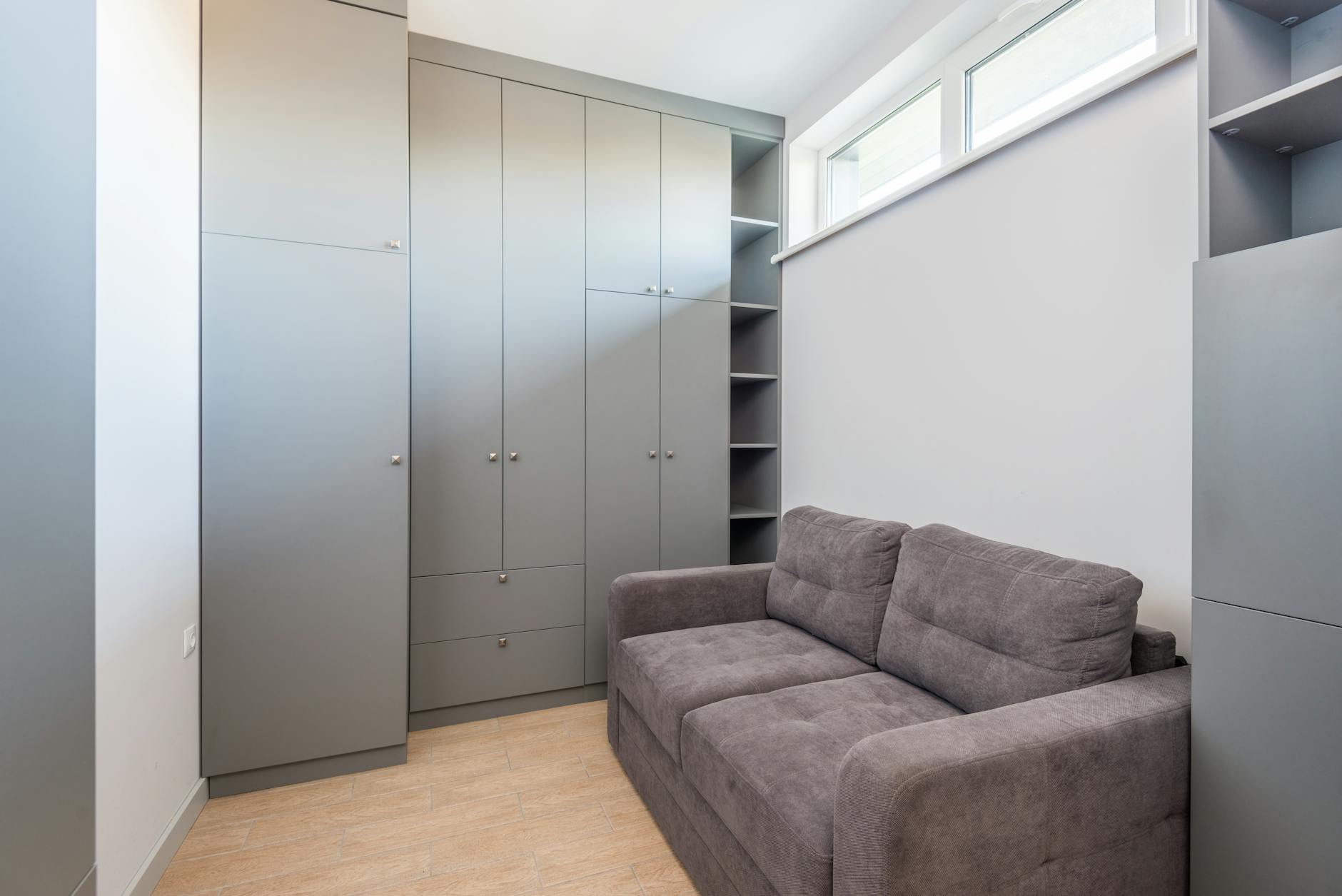
Vertical Magic: Cozy Storage for Tiny Rooms
The constraint of limited square footage often forces a recalibration of how we perceive interior volume. When horizontal space becomes scarce, the logical response shifts toward vertical maximization. We are not merely stacking objects; we are engineering spatial dynamics to create functional zones within confined environments. Understanding this principle is the first step in unlocking truly cozy organization for any small room.
Deconstructing Space: Why Verticality Matters
The traditional approach to room design prioritizes floor space, but in smaller dwellings, the unused vertical plane represents a significant untapped reservoir for storage potential. We observe that walls offer an infinite canvas when horizontal footprints are constrained. By implementing thoughtful vertical systems, we effectively increase the usable storage capacity without encroaching upon precious walking or sitting areas. This shifts the focus from managing clutter on the floor to optimizing access along the vertical axis.
This strategy directly addresses the physics of small spaces. A room’s volume is defined by its three dimensions; maximizing the height allows us to utilize the often-neglected cubic meters above eye level. Imagine a closet or an entryway where items frequently accumulate—these areas demand attention. Implementing vertical storage solutions transforms dead space into active, functional storage zones.
The Mechanism of Vertical Storage Systems
Effective vertical storage relies on systematic implementation rather than random placement. We need systems that account for the specific dimensions and intended contents of the space. For example, utilizing tall, narrow shelving units maximizes the utility of wall real estate without impeding the flow of movement. We are engineering the relationship between the floor plane and the ceiling plane to achieve maximum density.
Consider the storage solutions we deploy. Open shelving allows visual merchandising while providing accessible storage for books or decorative items. Closed cabinetry offers a seamless aesthetic, concealing the visual noise of possessions behind solid surfaces. The choice between these methods depends entirely on the desired balance between accessibility, aesthetic integration, and the sheer volume of items needing containment.
Implementing Smart Storage Solutions
Moving beyond simple vertical shelving requires an understanding of how to integrate storage seamlessly into the room’s décor. The goal is not just to store things; it is to weave functionality into the aesthetic tapestry of a cozy space. We must select pieces that harmonize with the existing design narrative.
Utilizing Wall Space Effectively
Walls are the primary surface for vertical organization. Installing custom or modular shelving units allows for precise dimensioning tailored exactly to the room’s constraints. We look at the height-to-width ratio when planning placements. Tall, slender bookcases draw the eye upward, visually elongating the perceived space, which is a critical technique in making tiny rooms feel larger and more inviting.
For areas requiring deeper storage, such as closets or alcoves, custom vertical organizers offer superior density. Drawer systems built into custom millwork eliminate wasted gaps that plague off-the-shelf solutions. This precision engineering ensures that every inch of vertical space contributes meaningfully to the room’s function. We observe that when storage is bespoke, the perceived value and coziness of the space increase exponentially.
Maximizing Underutilized Corners and Nooks
Corners in small rooms are often neglected spatial anomalies. These recessed areas present excellent opportunities for specialized vertical storage. Corner shelving units or narrow vertical racks can efficiently exploit these awkward geometries that standard rectangular furniture cannot address effectively. This technique allows us to introduce organized storage where visual clutter would otherwise accumulate.
We see this approach working particularly well when integrating functional elements with decorative ones. For instance, utilizing tall plant stands against a wall serves dual purpose: they provide vertical structure while introducing natural elements that enhance the cozy atmosphere. This is the essence of creating multi-functional décor. If you are focusing on creating a serene sanctuary, consider how vertical greenery can complement designs like those found in spa-like bathroom decor.
Integrating Storage with Cozy Aesthetics
The transition from purely functional storage to genuinely cozy organization involves managing visual perception. Clutter subtracts from coziness; intentional organization amplifies it. The materials and presentation of the storage units themselves play a crucial role in achieving this effect.
Materiality and Color Strategy
The materials we select dictate the overall mood of the vertical system. Natural wood tones introduce warmth, while matte metals offer a contemporary, streamlined contrast. When selecting textiles for storage—such as woven baskets or linen bins—we reinforce the tactile, cozy experience. These elements invite interaction and soften the hard lines often associated with purely functional shelving.
We analyze how color interacts with height. Painting vertical surfaces a light, neutral tone pulls the eye upward, enhancing the feeling of spaciousness. Conversely, using darker tones on upper shelves can create an intentional sense of grounding, balancing the visual weight of the structure above. This manipulation of light and shadow is how we sculpt atmosphere in small spaces.
The Psychology of Decluttering Through Vertical Flow
The act of decluttering becomes more manageable when the storage system itself dictates order. When items have a designated vertical home, the cognitive load required to locate and manage them decreases significantly. We observe that seeing organized stacks or neatly hung items reduces visual noise, which directly translates into mental calm. This process transforms from a chore into an act of spatial refinement.
This principle extends beyond mere storage capacity; it is about managing sensory input. A room filled with carefully managed vertical elements feels intentional and curated rather than chaotic. We are designing an environment where coziness emerges naturally from the organized flow of objects, rather than being imposed by external decoration alone. Thinking about layering, such as when considering layering rugs for depth in your living room, demonstrates how visual layers contribute to a richer, more layered sensory experience across the entire space.
Practical Application: Small Space Storage Solutions in Practice
When executing these strategies, practical execution is paramount. We must assess the specific inventory before selecting any hardware or shelving units. Inventory analysis dictates the required depth and height of each module. Do not default to generic solutions; measure your constraints precisely.
Assessing Room Dimensions for Optimal Layout
Before purchasing anything, map out your vertical potential. Measure the distance from floor to ceiling and note any architectural features like window sills or door frames that affect placement. We calculate the maximum viable height for shelving based on the required clearance for comfortable access. This empirical data prevents costly spatial miscalculations down the line.
For example, in a narrow hallway, deep shelving is impractical; slender vertical units are necessary to maintain the pathway’s functionality. In contrast, within a larger room, we can afford deeper modules that maximize volume storage while maintaining an aesthetic balance. Understanding these dimensional relationships allows for precise engineering of your space.
Creating Cohesive Vertical Narratives
The final layer of success involves creating a cohesive visual narrative across all vertical planes. Ensure that the chosen storage method supports the intended cozy ambiance. If the goal is a light, airy feel, prioritize open shelving with light wood and minimal hardware. If the aim is deep, enveloping coziness, opt for floor-to-ceiling built-ins in warm tones.
The system must breathe. Avoid overwhelming the vertical space with too many disparate elements. Let the storage function as an integrated design feature rather than a collection of separate functional objects. This thoughtful integration ensures that your pursuit of small space storage solutions results in a truly magical, highly organized, and deeply cozy environment for everyone who inhabits it.
Tags: small space storage solutions, vertical storage, tiny room organization, cozy decor, space saving tips, small apartment hacks, home organization
Featured Image by Max Vakhtbovych on Pexels.