
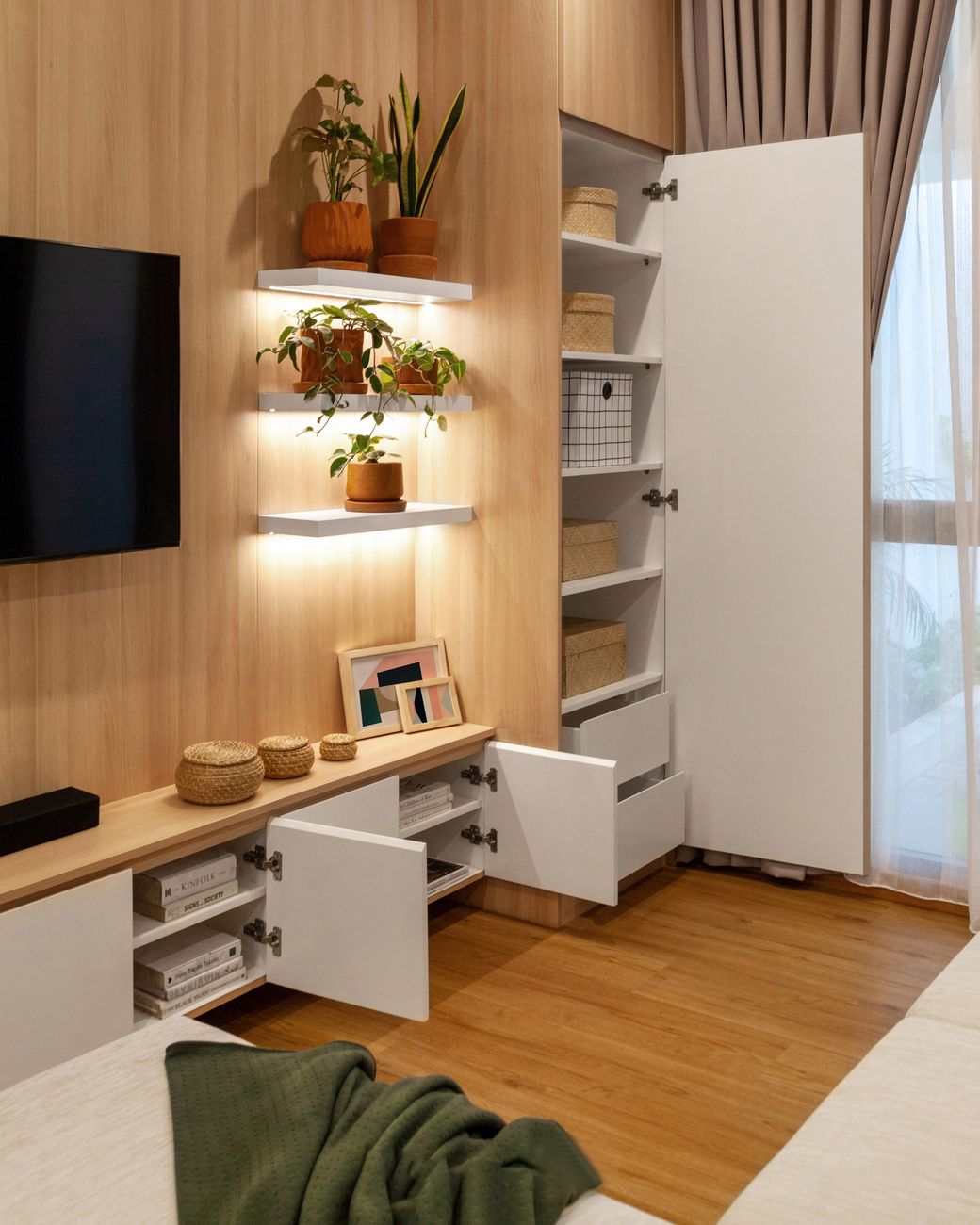
Vertical Magic: Cozy Storage for Tiny Rooms
When architectural constraints limit horizontal real estate, the strategy shifts immediately to the vertical plane. We observe from the data that maximizing storage capacity in small rooms is not merely an aesthetic choice; it is a functional necessity dictated by physics and spatial geometry. By redirecting storage solutions upward, we effectively exploit unused wall space, transforming underutilized cubic meters into accessible storage volume. This approach fundamentally alters the perception of a cramped space, replacing visual clutter with organized functionality.
The concept of **small space storage** relies on understanding how objects interact with their container. In horizontally constrained environments, furniture tends to consume valuable floor area, leaving less room for circulation and functional placement. Vertical systems counteract this by engaging the full height of the room. This mechanism allows us to stack items rather than spreading them out, which is crucial when dealing with limited square footage.
Deconstructing Spatial Constraints
Tiny rooms present unique challenges regarding volume management. The primary limitation is often the perceived lack of usable floor space for substantial furniture pieces. We need systems that operate in three dimensions simultaneously. A flat surface offers only two dimensions for placement; vertical solutions introduce a third axis, multiplying potential storage locations exponentially. This shift from planar thinking to volumetric thinking unlocks novel organizational pathways.
Consider the typical layout of a small apartment or room. Walls, often ignored as mere boundaries, become active surfaces for storage integration. If we analyze the flow of items—books, linens, accessories—we see that these items typically accumulate on horizontal surfaces. Introducing vertical shelving systems directly intercepts this accumulation, creating defined zones for specific categories of goods. This prevents the visual chaos associated with overflowing surfaces.
Implementing Vertical Storage Mechanisms
The selection and installation of vertical storage must be approached analytically. The goal is to implement a system that maximizes density without compromising accessibility or the cozy ambiance we seek. We are not simply stacking boxes; we are engineering a functional environment.
Customizing Wall Systems for Efficiency
Fixed shelving units provide a baseline structure, but true optimization involves designing bespoke solutions that fit the room’s specific dimensions and aesthetic goals. We must calculate the required depth versus the available wall space to determine the optimal shelving configuration. Shallow shelves can be used for decorative items, while deeper sections are necessary for storing bulkier textiles or larger decor pieces.
We observe that floating shelves, when utilized correctly, contribute significantly to this vertical dynamic. They minimize visual obstruction by appearing to float against the wall, thereby maximizing the perceived open space below. This technique manipulates the eye’s focus toward the ceiling rather than down to the floor plane. When selecting materials for these installations, the choice impacts both durability and aesthetic coherence.
Integrating Softness into Structured Storage
A purely utilitarian approach often results in cold, institutional storage. To achieve the desired cozy atmosphere within a small space, the materials used must harmonize with the intended mood. This is where texture becomes an active design element. For instance, integrating woven baskets or fabric-lined shelves introduces softness directly into the structural framework. These elements absorb sound and visually soften hard lines, contributing palpably to a more inviting environment.
When arranging textiles on these vertical surfaces, we are creating layered visual depth. A carefully placed stack of knit throws or soft linen storage bins signals comfort while simultaneously serving a practical organizational function. This layering technique allows us to introduce tactile richness without increasing the physical footprint of the stored items. If you are looking to infuse this softness into your space, exploring options like [Soft Textiles for a Cozy Bathroom Vibe](https://decorandliving.com/soft-textiles-cozy-bathroom/) demonstrates how texture functions as a powerful spatial mediator.
Optimizing Storage Categories Vertically
Different types of items require different storage methodologies. Analyzing the volume and nature of possessions dictates the optimal vertical strategy for each category within a small room context.
Managing Books and Media
Books, being inherently dense and rectilinear, respond exceptionally well to standard tiered shelving systems. By utilizing narrow, tall shelves, we maximize the storage potential along limited wall lengths. This arrangement allows for easy visual navigation, where spines form a cohesive vertical pattern rather than scattered piles. We can leverage this principle for media storage too; vertical racks allow video collections or vinyl records to be displayed and accessed efficiently without consuming valuable floor space.
Storing Linens and Soft Goods
The challenge with soft goods is that they require air circulation and protection from compression. Simply draping blankets over a rod does not address the need for organized containment. We must employ containers. Utilizing fabric-lined bins or woven baskets on high shelves provides a defined, dust-free environment for linens, pillows, and seasonal clothing. This method keeps items neatly contained while introducing a warm visual texture that supports the cozy aesthetic. For those looking to engage in creative textile arrangement, exploring projects like [DIY Cozy Knit Amigurumi: Custom Plushies for Your Home](https://decorandliving.com/diy-cozy-knit-amigurumi-plushies/) shows how handcrafted elements can enhance storage appeal.
Utilizing Overheads and Alcoves
Beyond simple wall shelving, we must examine the ceiling plane itself. In rooms with high ceilings, utilizing vertical space above doorways or alcoves provides vast, untapped storage potential that remains entirely out of sight from the main viewing plane. These overhead spaces are excellent for seasonal items or infrequently accessed bulk supplies. This strategy effectively utilizes the entire three-dimensional envelope of the room.
The Psychological Impact of Organized Volume
The practical mechanics of **small space storage** translate directly into psychological benefits. When physical clutter is managed, cognitive load decreases significantly. A room that feels visually spacious is not just easier to clean; it fosters a sense of calm and order. This organized volume creates an environment where the focus shifts from managing chaos to appreciating the intentional design.
The visual effect of vertical storage is transformative because it draws the eye upward. This upward visual trajectory combats feelings of claustrophobia often associated with confined spaces. The interplay between structured lines and soft, inviting textures establishes a balance: order provides the structure, while textiles provide the warmth.
We see that the success of this approach lies in treating the walls as functional surfaces rather than mere boundaries. By implementing thoughtful vertical strategies, we are not just storing objects; we are architecting an experience. We convert restrictive physical limits into opportunities for creative, cozy design execution. This process confirms that maximizing storage capacity is intrinsically linked to creating a more harmonious and restful living environment in compact spaces.
Tags: small space storage, vertical organization, tiny room decor, cozy home, space saving, room organization, small apartment
Featured Image by Hakim Santoso on Pexels.