
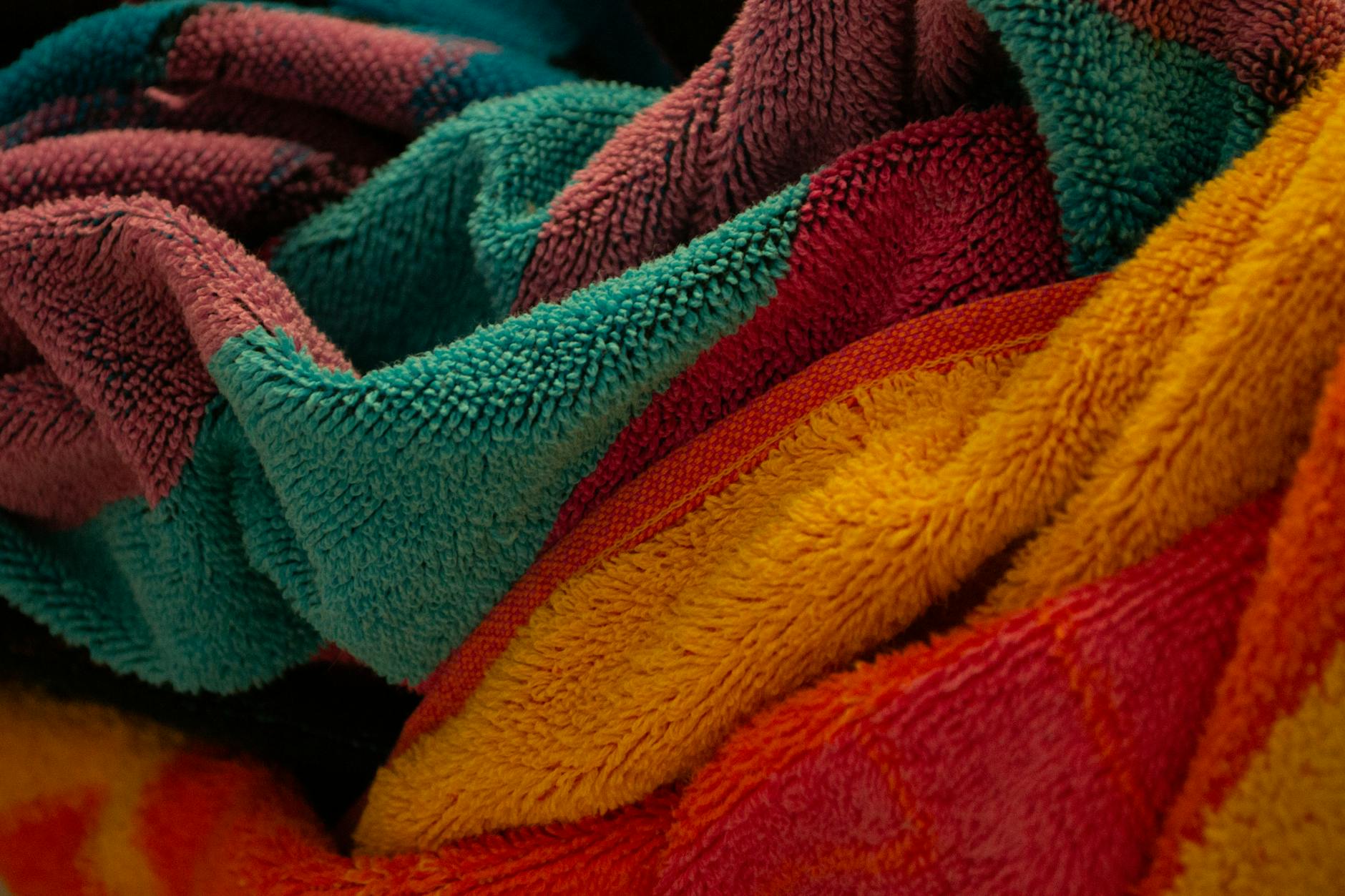
The Tactile Impact of Plush Bathroom Textiles
We often focus on the visual elements when designing a space, yet the tactile experience profoundly dictates the perceived atmosphere of a room. When we introduce **plush bathroom textiles**, we are not merely adding surface coverage; we are manipulating sensory input to recalibrate the psychological state of the user within that environment. The bathroom, typically a space associated with utility and routine, presents a unique opportunity for textural intervention. By selecting materials characterized by high pile depth and soft fibers, we directly address the human need for tactile comfort, transforming a functional area into a sanctuary.
The mechanism at play here involves haptic feedback. Our skin interprets variations in surface texture as signals about warmth, safety, and indulgence. A smooth, cool ceramic tile offers a stark contrast to the enveloping softness of a high-pile rug or a thick bath mat. This juxtaposition creates a dynamic tension that elevates the sensory engagement of the user experience. We observe that this tactile richness reduces ambient stress levels, shifting the perception from a sterile functional zone to a deeply personal retreat.
Deconstructing Texture: How Fibers Influence Atmosphere
The selection process for bathroom textiles demands an analytical approach to material science and aesthetic outcome. Different textile constructions achieve vastly different sensory results. For instance, faux fur introduces an immediate sense of luxurious depth; the varying lengths of the fibers create micro-shadows that catch the light unevenly, adding organic movement to a static surface. Conversely, waffle weaves operate on a more geometric principle. The intentional grid structure dictates how light interacts with the fabric, resulting in pronounced, defined shadows that lend architectural interest rather than pure softness.
We see this principle repeatedly across interior design. Consider the effect of deep jewel tones for luxurious and moody cozy spaces; the rich saturation complements the depth provided by textural layering. When these color choices are paired with textiles like chunky knits, the visual weight is balanced by palpable softness. This synergy suggests that texture acts as an amplifier for both color and mood.
Material Deep Dive: Analyzing Popular Textile Types
Understanding the composition behind popular **plush bathroom textiles** allows for more informed purchasing decisions. Synthetic blends, such as high-quality faux furs or microfiber, offer superior durability and easy maintenance compared to natural fibers when dealing with high moisture environments like a bathroom. However, we must analyze the weave density; a lower density allows for greater pliability and an even distribution of softness across larger areas.
Waffle weaves demonstrate exceptional structural integrity while maintaining an inviting surface. The interlocking geometric pattern creates an inherent texture that engages the sense of touch without excessive fluffiness. This structure manages moisture absorption effectively, which is a critical functional consideration in a humid space. Conversely, ultra-plush shag textiles require careful placement; their high loft can trap moisture if not managed properly through proper ventilation and material selection.
Implementing Texture Strategically
The application of these soft elements must be strategic, focusing on areas where interaction with the surface is maximized. Bath mats are the primary interface points in a bathroom setting. A thick, plush bath mat signals an invitation to pause; stepping onto it initiates a physical acknowledgement of comfort. We see this effect amplified when layering textiles; placing a soft towel over a smooth vanity surface creates an immediate sense of domestic warmth that counters the coolness of hard surfaces.
We must consider the interplay between different textural scales. Combining extremely plush elements with finer, smoother towels creates an interesting sensory gradient. This modulation prevents the space from feeling overwhelmingly soft or undifferentiated. The goal is to achieve nuanced coziness, not monolithic softness.
Integrating Textiles with Color Palettes
The color chosen for bathroom textiles directly modulates the emotional response elicited by the texture. Deep tones, such as charcoal, deep sapphire, or rich burgundy, absorb light differently than pale neutrals. When paired with a plush textile, these dark colors deepen the sense of enveloping security. We observe that this combination enhances the mood established by richer palettes.
If one opts for lighter textiles, such as ivory or soft grey knits, the texture’s effect becomes more about gentle illumination and airiness. This demonstrates that the relationship between hue and pile density is a crucial design variable. We are manipulating light reflection through material depth.
Beyond the Bath: Expanding the Cozy Principle
The principle established in the bathroom extends across the entire home environment. The consistency of tactile comfort across different zones creates a cohesive atmosphere. For example, moving this textural awareness into other areas, such as utilizing warm solutions for your dining space, allows the sensory experience to flow seamlessly from one room to the next. This intentional design strategy reinforces the overarching theme of creating an immersive, comfortable habitat.
The investment in high-quality **plush bathroom textiles** is an investment in sustained well-being. It moves beyond mere decoration; it functions as a tool for environmental psychology. By selecting materials that engage the sense of touch meaningfully, we are actively engineering spaces where rest and relaxation become inherent properties of the architecture itself. The resulting environment is one where every surface invites a moment of gentle, tactile appreciation.
Tags: bathroom decor, cozy home, plush textiles, bathroom textiles, soft decor, textile inspiration, home textiles
Featured Image by Steve A Johnson on Pexels.