
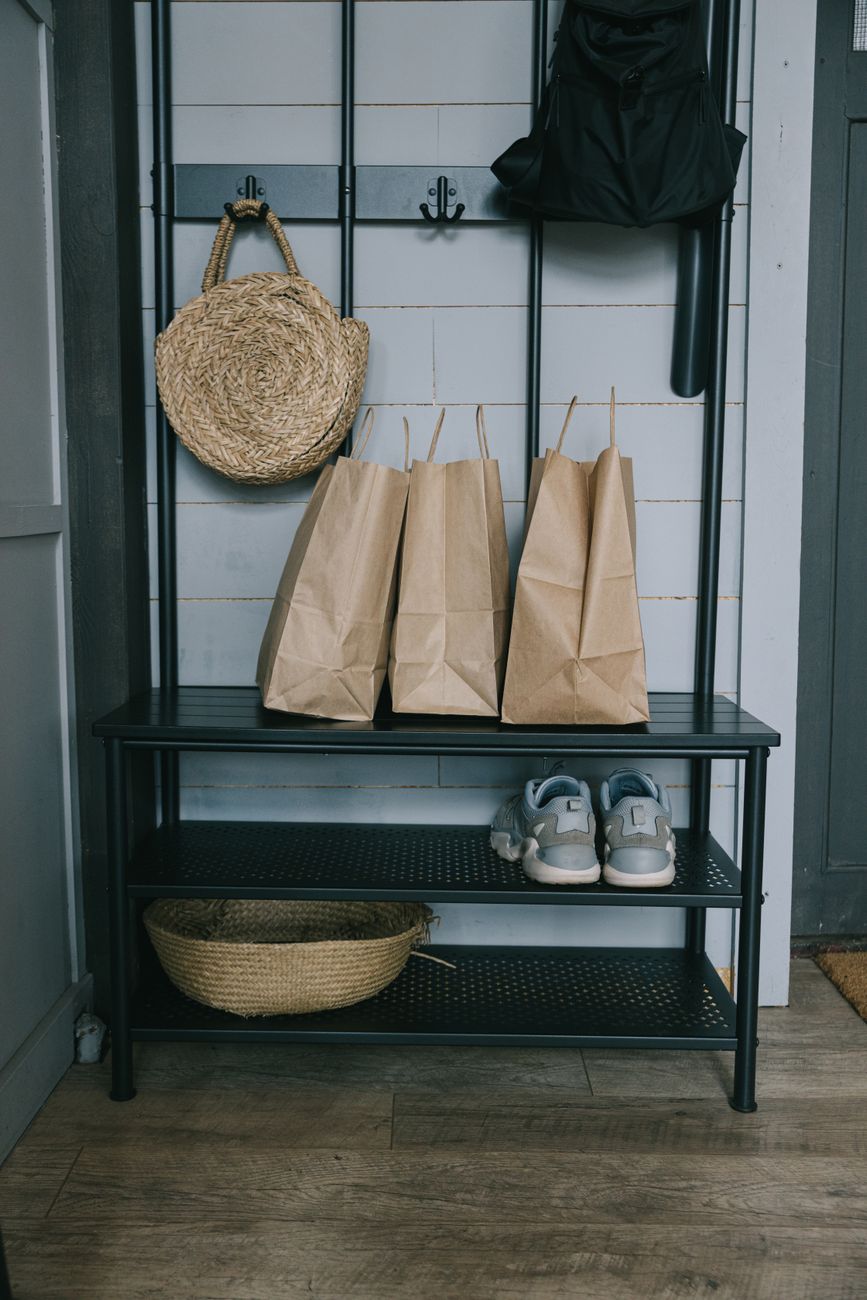
The Geometry of Space: Why Verticality Changes Everything
When dealing with constrained areas, our immediate instinct is often to look for horizontal expansion, but true spatial optimization demands a shift in geometric perception. We observe from the data that the walls are not mere boundaries; they are untapped surfaces waiting for utilization. Implementing vertical solutions fundamentally alters how we perceive volume inside a confined dwelling. This strategy moves beyond simple decluttering and engages with the architectural constraints of the space itself, directly addressing the challenge of **small space storage**.
The mechanism at play here involves redirecting visual weight. By drawing the eye upward, we trick the brain into perceiving greater ceiling height and, consequently, increased usable volume. A floor-to-ceiling shelving unit, for example, doesn’t just hold objects; it manipulates the perceived scale of the room. This manipulation is crucial when square footage dictates every inch of real estate. We are not just stacking items; we are engineering an illusion of expansive capacity within a limited footprint.
Deconstructing Spatial Constraints
Understanding where storage needs to be addressed begins with an honest assessment of vertical potential versus horizontal limitations. In many urban environments, the constraints on floor space force us into more creative dimensional thinking. We must calculate not just the footprint but also the volumetric capacity available along the perimeter. This calculation requires a systematic approach, mapping out existing fixtures and imagining the potential for custom installations.
The density of items stored directly correlates with the perceived stress on the room’s atmosphere. Clutter consumes visual real estate instantly. When items are relegated to horizontal surfaces, they create an unbroken line that visually shrinks the area beneath them. Vertical systems disrupt this pattern. They introduce rhythm and depth. Our analysis suggests that open shelving, when managed correctly, functions as a deliberate design element rather than simple storage apparatus. It transforms utilitarian objects into decorative components.
Engineering Efficient Storage Systems
Moving from conceptual understanding to practical application requires selecting systems that maximize vertical density without sacrificing accessibility or aesthetic harmony. The choice of shelving type dictates the achievable efficiency and the overall cozy ambiance we can cultivate.
Selecting Optimal Vertical Structures
Not all vertical solutions are created equal. Solid, built-in cabinetry offers maximum structural integrity and concealment, ideal for high-density storage where visual minimalism is paramount. Conversely, open shelving provides dynamic opportunities for display and immediate access. We must assess the material and mounting strategy in relation to the wall structure before committing to installation.
For maximizing density, utilizing the full height of a room is non-negotiable. We look at systems that engage the upper third or even the ceiling line. This leverages the often-neglected vertical plane. Consider narrow, tall bookcases placed against a wall; they utilize linear space efficiently where wide furniture would create awkward dead zones. The principle here is to exploit the height differential across the room’s dimensions.
Integrating Aesthetics with Functionality
The challenge arises when functionality must coexist seamlessly with coziness. A purely utilitarian approach results in cold, imposing structures. We need systems that integrate naturally into a warm interior narrative. This necessitates careful curation of the objects placed upon these vertical planes.
If you opt for open shelving, treat it as an opportunity to curate collections. Grouping items by texture or color creates intentional focal points rather than random accumulations. For instance, grouping books with complementary decor objects establishes a visual rhythm that enhances the feeling of curated comfort. This principle extends across all spatial applications; think about how textile choices influence the perceived warmth of the entire area. When styling these vertical arrangements, consider pairing them with softer elements, perhaps by referencing palettes found in serene bedroom designs.
The Psychology of Cozy Ambiance
The psychological effect of vertical storage relates directly to control and visual flow. When storage solutions are thoughtfully designed, they reduce cognitive load. A room that feels visually organized reduces ambient stress. This connection is profound; a well-managed space translates directly into a sense of calm and coziness. We observe that soft, diffused light interacting with textured surfaces amplifies this effect.
The transition from chaotic horizontal storage to structured vertical arrangement signals order. This structural clarity allows the decorative elements—the textiles, the lighting—to take center stage without competing with clutter. Think about how the placement of items influences the flow of movement through the space. Vertical lines guide the eye smoothly, promoting a sense of effortless spaciousness rather than feeling cramped.
Specific Applications for Small Space Storage
Applying these principles to common small spaces reveals specific, high-yield solutions for maximizing storage while enhancing decor.
Maximizing Closet and Wardrobe Capacity
Closets are notorious horizontal traps. The solution lies in utilizing the vertical space above hanging rods or shelves within the wardrobe structure. Installing custom, narrow shelving units allows for better distribution of seasonal clothing and accessories. We can exploit the full height of the closet cavity by installing adjustable shelving that accommodates varied garment lengths effectively. This system ensures that every cubic inch is assigned a specific functional role.
Utilizing Nooks and Crannies with Shelving
In areas where standard furniture placement is impossible, vertical solutions become essential for creating functional zones. Think about utilizing the space between architectural features or along narrow hallways. Custom-fitted shelving units in these recessed areas transform otherwise dead space into accessible storage. This technique requires precise measurement but yields unparalleled spatial gain. It allows storage to become an integrated part of the room’s architecture.
Elevating Decor with Vertical Display
The visual impact of vertical decorating is immense. Tall, narrow shelves draw the eye upward, emphasizing height rather than width. Use this effect strategically. Instead of filling every shelf to capacity, employ negative space deliberately. Allowing certain sections to remain sparse creates breathing room, which paradoxically enhances the feeling of spaciousness and luxury. This measured approach ensures that decoration serves the purpose of ambiance, not just item accumulation.
The successful integration of these methods involves treating the storage system itself as an intentional design feature. When we optimize for verticality, we are engaging with the inherent geometry of the space to achieve both practical capacity and profound coziness.
Tags: small space storage, apartment decor, vertical storage, tiny home design, cozy living, small space hacks, home organization
Featured Image by Ivan S on Pexels.