
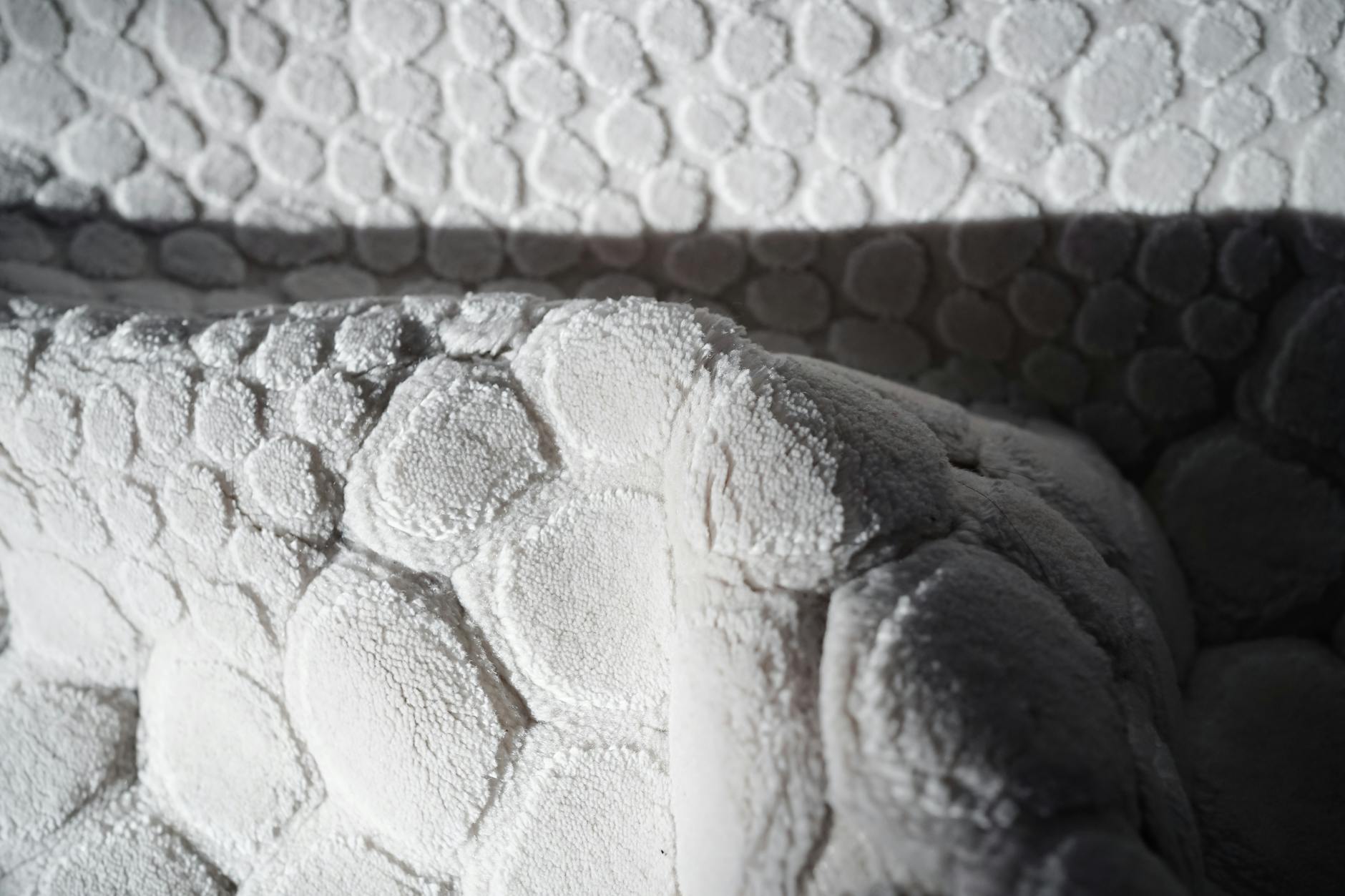
The Science of Softness: Optimizing Comfort Through Bathroom Textiles
When we consider a bathroom not merely as a functional space for hygiene but as a retreat, the materials we select—the textiles—become critical components in achieving psychological comfort. Our objective shifts from simple cleaning to sensory engagement; we are manipulating tactile feedback to recalibrate our environment. This pursuit directly informs why investing in high-quality **cozy bathroom textiles** yields such significant returns on home ambiance. We observe that the texture, weight, and weave of bath mats and towels directly influence perceived temperature and stress levels long after the water has run off.
Material Science Behind Plushness
The efficacy of a textile in promoting coziness is rooted deeply in its material composition and construction. Natural fibers, such as high-grade cotton or organic linen, offer inherent breathability; they manage moisture vapor transmission effectively, preventing that clammy feeling often associated with synthetic materials when exposed to steam. We analyze the yarn structure itself; a tighter, high-twist weave creates a denser, more luxurious hand, while a looser weave allows for greater pliability and softness.
Synthetic blends introduce different properties. Microfiber, for instance, possesses an exceptional capacity for trapping air, which translates into superior insulation against cooler surfaces, enhancing that feeling of enveloping warmth. Understanding the yarn count—the thread density—is crucial; higher counts equate to finer surface structures and a more refined tactile experience upon contact. This technical understanding allows us to select products not just based on aesthetics, but on their physical capacity to regulate the immediate environment.
Bath Mats: Anchoring Comfort at the Point of Contact
Bath mats serve as the primary interface between the body and the floor; their function extends beyond simple absorption. A well-designed mat acts as an anchor for the entire sensory experience of the bathroom. We see a clear correlation between mat thickness and perceived comfort. Thicker, plush mats create a sense of groundedness, mitigating the sharp contrast between warm skin and a potentially cold ceramic surface.
The mechanism of absorption must also be examined closely. High-performance bath mats utilize specific fiber densities that facilitate rapid moisture wicking while retaining an insulating layer against thermal conduction. When selecting materials for these items, we look for terms indicating high absorbency coupled with excellent thermal retention. This dual functionality ensures the mat contributes actively to a feeling of immediate, enveloping comfort. The choice impacts how long one remains settled in the space after stepping out of the shower.
Towels: Mastering Thermal Regulation
Towels represent another major vector for modulating bathroom atmosphere. Their role is fundamentally about managing body heat and providing soft insulation against the skin. The loft—the amount of air trapped within the fibers—is the key variable here. A towel with high loft traps a significant volume of air, creating an insulating barrier that slows heat loss from the body.
We observe that bath towels made from thick terry cloth or waffle weaves offer superior thermal buffering compared to thin, tightly woven alternatives. The surface area and fiber density dictate how effectively this insulation functions in practice. When these textiles are used, they create a soft boundary against the skin, signaling safety and relaxation. This effect is amplified when paired with other sensory inputs; for example, stepping into a room where light is managed carefully, perhaps employing strategies similar to Layering Light for Ultimate Living Room Comfort, the textural experience becomes even more potent.
Curating a Sanctuary: Designing for Sensory Harmony
Achieving a truly cozy atmosphere requires integrating these textile choices within a larger design schema. The textiles are not isolated objects; they function as tactile cues that communicate the intended mood of the room. We must consider how the visual texture complements the lighting scheme and the overall material palette.
The selection process involves assessing visual weight. Darker, richer textures tend to absorb light, creating pockets of visual intimacy, which aligns well with the goal of creating a sanctuary. Conversely, lighter, airier textiles can enhance the sense of spaciousness while maintaining softness. This interplay is crucial because sensory input is holistic; sight informs touch, and touch influences perception of the entire space.
The Psychological Impact of Textile Quality
The quality of the **cozy bathroom textiles** directly feeds into our subconscious state regarding the cleanliness and care of the environment. Poorly constructed or low-quality fabrics can introduce friction—a visual cue suggesting neglect—which actively works against relaxation. Conversely, using materials that feel rich, soft, and durable signals intentional care and luxury. This psychological mechanism suggests that investing in premium textiles is an investment in mental well-being, establishing a tangible boundary between the mundane routine of daily life and a space dedicated purely to rest.
We see this principle mirrored elsewhere in home design. The careful consideration given to ambient light, for instance, directly influences mood by regulating circadian rhythms; similarly, the tactile experience provided by high-quality textiles subtly regulates physiological stress responses. When we select plush materials, we are choosing materials that support a state of ease, allowing the mind to disengage from external stressors.
Practical Application: Selecting for Longevity and Feel
When moving from theoretical principles to practical purchasing decisions, we focus on durability alongside feel. While initial cost plays a role, the long-term performance of these textiles dictates true value. We analyze thread count not just as a measure of fineness, but as an indicator of resilience against repeated washing cycles. High-quality yarns resist pilling and maintain their loft over time.
We recommend prioritizing natural fibers when seeking that deeply comforting feel. They possess inherent elasticity and breathability unmatched by many synthetics. Examining the care instructions provided by manufacturers gives us insight into the material’s actual physical limits, allowing us to select textiles that promise sustained sensory pleasure rather than fleeting novelty. This analytical approach ensures that our pursuit of **cozy bathroom textiles** results in enduring comfort, not just temporary softness.
Tags: bath mats, plush towels, bathroom decor, cozy home, textile decor, spa bathroom, soft fabrics
Featured Image by Beyzanur K. on Pexels.