
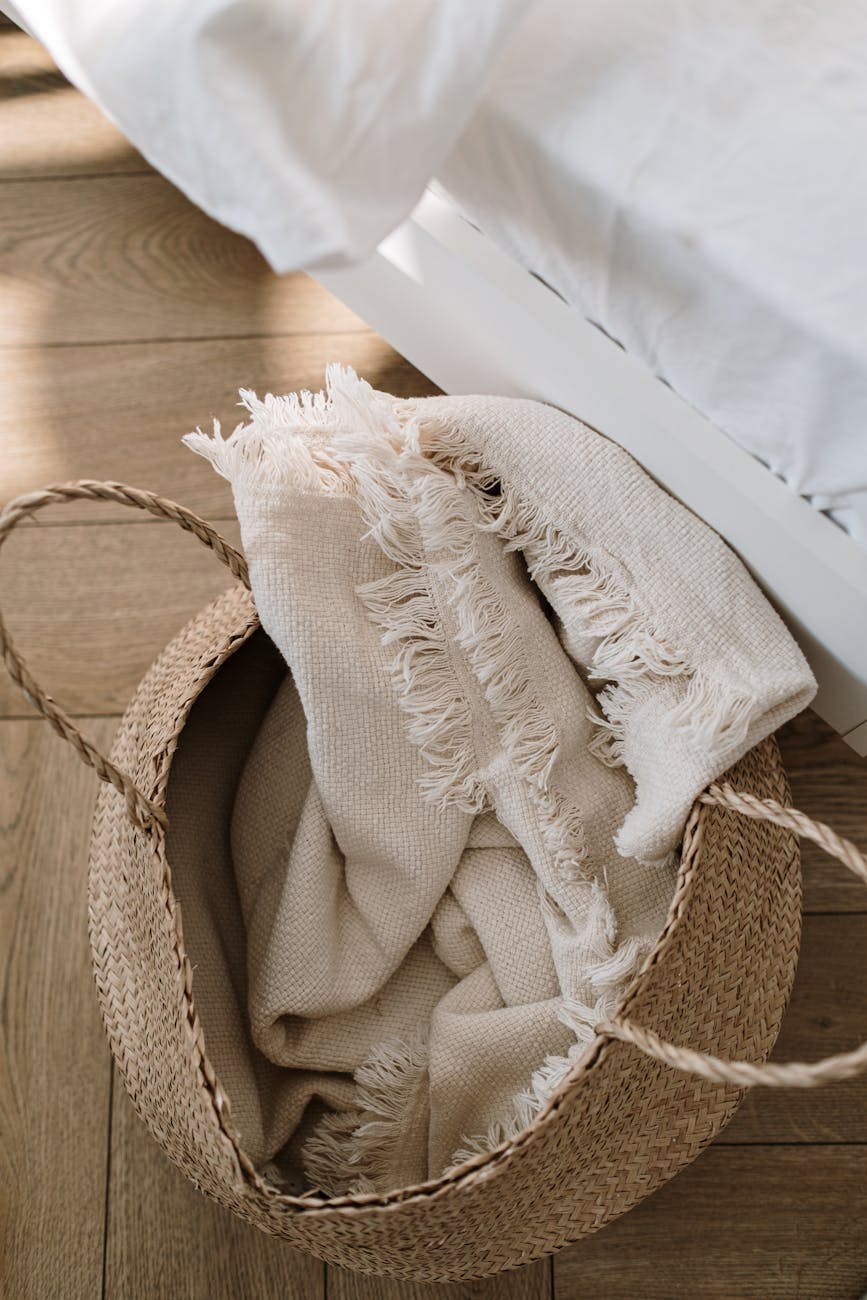
The Science of Softness: Deconstructing Textile Therapy for Ultimate Cozy Bedding
We engage with our environments primarily through tactile sensation, and the textiles we interact with dictate the quality of our rest. Achieving genuine coziness is not merely an aesthetic choice; it is a physiological response engineered by the materials themselves. Understanding textile therapy means moving beyond surface-level comfort to analyzing the mechanical properties of fabrics—the weave, the fiber content, and the resulting thermal regulation—that govern how we feel in our sleeping spaces. We observe that the quality of cozy bedding directly influences sleep architecture, mood regulation, and overall home ambiance.
Fiber Science: The Core Mechanism of Thermal Regulation
The selection of raw material dictates the functional performance of any bedding system. Different fibers possess distinct thermal properties; this is the fundamental mechanism behind why some materials feel inherently warmer or cooler to the touch. Natural fibers, such as cotton and linen, excel in moisture wicking, allowing heat to dissipate effectively when the ambient temperature rises, which is crucial for preventing overheating during sleep cycles. Conversely, synthetic materials like polyester introduce a different mechanism; they often possess superior thermal retention due to their filament structure, trapping air within the fibers to create an insulating layer against external cold.
We examine thread counts not as arbitrary numbers, but as a measure of yarn density and construction complexity. A higher thread count implies a greater number of individual yarn strands woven together, which generally translates to a denser surface and, consequently, a more enveloping feel. However, the efficacy of this metric depends entirely on the yarn thickness; a high count of very fine threads might feel delicate rather than deeply plush. We must consider the interplay between fiber type and construction density to understand true thermal performance in our cozy bedding selections.
Mastering Thread Counts and Weave Structures
When assessing bedding, focusing solely on the thread count overlooks the critical role of weave structure. A simple plain weave provides a baseline structure, but incorporating different techniques fundamentally alters the material’s interaction with light and touch. For example, sateen weaves create a smoother surface texture with a subtle sheen, enhancing the perception of luxury, while waffle or waffle-knit patterns introduce intentional textural variation, creating pockets of air that enhance breathability.
Our analysis suggests that layering these structures allows for sophisticated thermal control. Imagine a high-thread-count cotton sheet overlaid with a heavier, textured knit blanket. The interplay between the smooth surface and the raised texture manipulates heat transfer across the body efficiently. This layered approach moves beyond simple material selection into active environmental design. We see this principle reflected across interior design choices; understanding how different textures influence perceived space mirrors how different weaves influence thermal comfort.
The Impact of Material Hand-Feel on Psychological State
The tactile experience of bedding triggers neurological responses directly related to relaxation. Rough, scratchy fabrics introduce sensory friction that the nervous system registers as a disturbance, inhibiting the transition into deep sleep states. Conversely, materials with a smooth, inviting hand encourage tactile engagement, signaling safety and calm. This is where textile therapy gains its psychological traction. We are not simply covering our bodies; we are modulating our sensory input to induce a state of profound relaxation necessary for restorative sleep.
The visual aspect also plays a role in this mechanism. When selecting cozy bedding, the color palette interacts with the tactile feel. Deep, muted tones often promote introspection and calm, while brighter hues can stimulate alertness. We note that aligning the fabric’s visual tone with established psychological principles—such as those explored in color theory—enhances the overall immersive experience of coziness. Consider how the choice of material complements the broader aesthetic framework; this connects directly to larger interior design decisions, such as selecting from our guide on Top 5 Color Schemes for Every Room in Your Home.
Layering for Optimal Thermal Dynamics
True thermal coziness is achieved through strategic layering, not just the weight of a single item. Effective thermal management involves establishing distinct layers that address different aspects of temperature regulation throughout the night. A heavy, insulating layer acts as the primary barrier against ambient cold, while lighter, breathable fabrics are used closer to the skin for direct contact and moisture management.
We observe that using materials with varying loft allows for dynamic heat control. For instance, a high-loft down duvet provides superior insulation because the trapped air pockets offer exceptional resistance to conduction. Beneath this, a medium-weight flannel or organic cotton layer manages surface temperature while permitting necessary airflow. This systematic approach ensures that the body can regulate its core temperature effortlessly, preventing the discomfort associated with being either too hot or too cold. This layering technique transforms simple bedding into an active thermal system.
Beyond Comfort: Durability and Sustainable Textile Choices
The longevity of a cozy collection depends on material resilience as much as initial softness. Analyzing the lifecycle of textiles requires examining durability metrics—the strength of the yarn against abrasion, the resistance to pilling under friction, and the longevity of the dye fixation. We must assess whether the pursuit of immediate soft luxury compromises long-term structural integrity.
This analysis naturally leads to evaluating sustainability within textile therapy. The environmental impact of fiber production, water usage, and chemical processing are significant variables that weigh heavily on our selection process. Exploring organic cotton or Tencel (Lyocell) shifts the focus toward materials derived from closed-loop systems, minimizing ecological overhead while maintaining superior tactile qualities. Understanding this supply chain mechanism empowers us to curate a collection that is not only cozy but also ethically sound.
Integrating Style and Function in Your Bedding Narrative
The ultimate goal is synthesizing these physical and psychological elements into a cohesive design narrative. Whether you lean toward minimalist serenity or maximalist indulgence, the foundation of your cozy bedding must support the desired atmosphere. If you are drawn to clean lines and understated elegance, selecting natural fibers in monochromatic tones aligns perfectly with the principles of 10 Popular Interior Design Styles: Which One Suits Your Home?. Conversely, embracing rich textures and deep colors invites a more enveloping, maximalist experience.
We see that the choice of bedding acts as a focal point, setting the tone for the entire sleeping environment. It is an opportunity to implement textile therapy across the whole spectrum: selecting fibers based on thermal performance, structuring weaves for visual interest, employing layering for dynamic comfort, and considering the ethical sourcing behind every thread. Curating your ultimate cozy bedding collection becomes an exercise in applied material science and intuitive design.
Tags: cozy bedding, bedding design, textile therapy, bedroom decor, linen bedding, velvet textiles, home comfort
Featured Image by cottonbro studio on Pexels.