
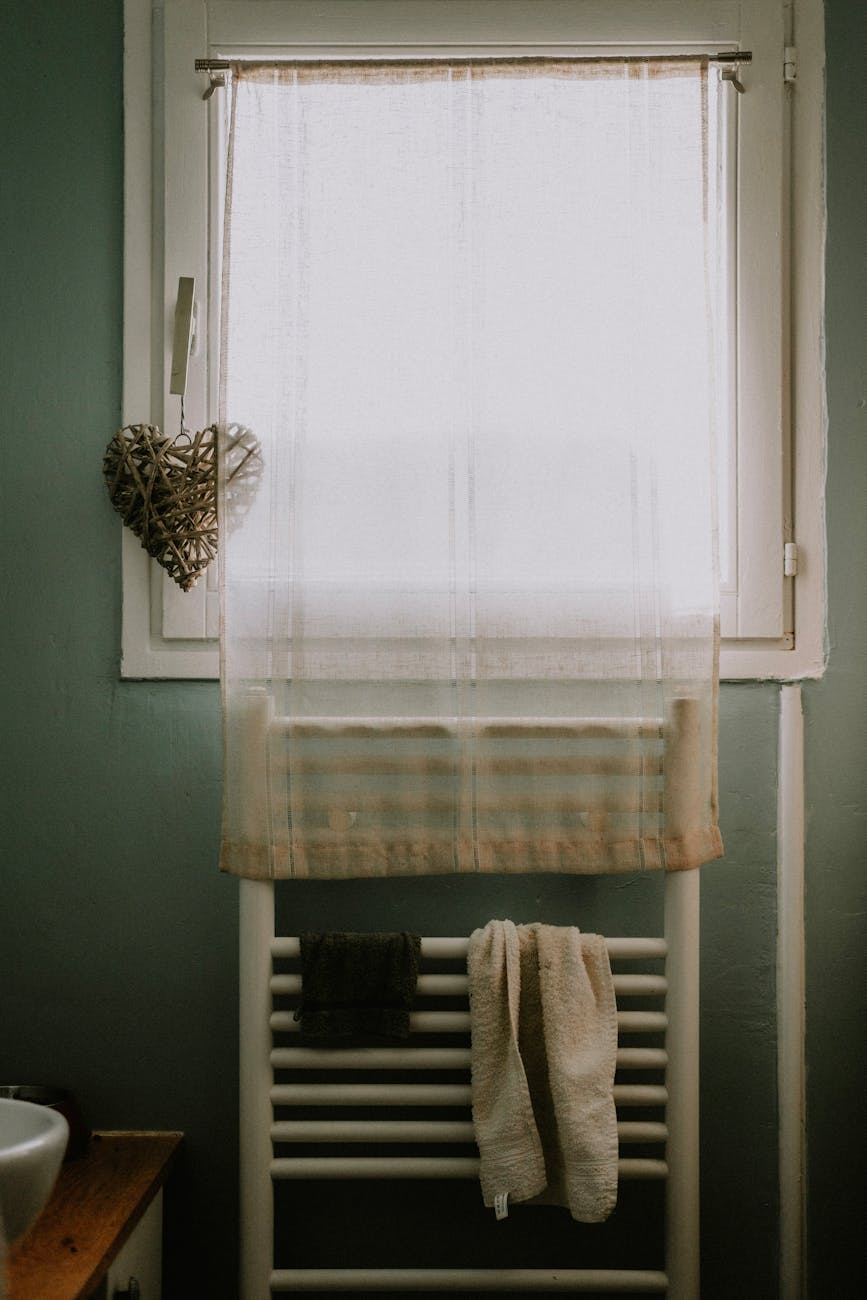
Engineering Serenity: The Mechanics of Hygge Bathroom Decor
We are designing spaces not just for aesthetics, but for physiological response. When we approach hygge bathroom decor, we are engaging in a deliberate act of environmental engineering. This involves manipulating sensory input—sight, touch, and atmosphere—to induce a state of deep, comfortable contentment. The goal is to transition the bathroom from a mere functional space into a private sanctuary where stress mitigation occurs naturally. We observe that this effect relies heavily on the tactile experience and the intentional selection of organic materials rather than superficial ornamentation.
The principle underpinning hygge is about creating intentional coziness through simplicity and naturalness. It necessitates minimizing visual noise and maximizing sensory richness. Think about the water temperature, the ambient light spectrum, and the texture beneath your fingertips as you move through the space. These subtle adjustments collectively signal safety to the nervous system, allowing the body to relax its guard.
The Role of Texture in Sensory Engagement
Texture is perhaps the most potent tool in achieving this effect within a bathroom setting. Hard, cold surfaces—like polished tile or cold metal fixtures—introduce a jarring, clinical sensation that directly opposes the hygge principle. We must introduce soft counterpoints immediately. Consider the application of materials: thick, looped bath mats absorb sound and provide immediate tactile warmth upon stepping out of the shower. Natural wood accents, perhaps in shelving or bath caddies, introduce an organic grain that is inherently grounding.
We see that the interaction between fabric and skin is crucial for establishing coziness. Choosing materials like organic cotton, linen, or thick wool for towels shifts the experience from functional utility to luxurious comfort. The weave density dictates the perceived softness; a high thread count implies a superior tactile experience. This direct physical engagement bypasses purely cognitive processing, triggering primal feelings of security when one is wrapped in something soft and warm after exposure to cooler environments.
Material Selection: Grounding the Space with Nature
The choice of material directly influences the psychological atmosphere we cultivate. We prioritize organic materials because they possess an inherent connection to the natural world, which research consistently links to reduced stress levels. Introducing elements like unfinished wood or rough-hewn stone anchors the space, preventing it from feeling overly artificial or sterile. This grounding effect works by connecting the occupant to something elemental and enduring.
When selecting finishes for your fixtures or shelving, consider matte surfaces over high gloss. Glossy surfaces reflect harsh light aggressively, contributing to a sharper, more clinical feel. Matte finishes diffuse light softly, encouraging a gentler visual experience. Furthermore, incorporating natural elements like woven baskets or ceramic pieces with earthy tones allows the inherent texture and color of the material to dictate the room’s mood, rather than relying on artificial color palettes alone. We must analyze how these material choices interact with established principles of interior harmony, perhaps referencing the broader strategies outlined in guides such as Top 5 Color Schemes for Every Room in Your Home.
Curating Atmosphere: Light and Ambient Elements
Beyond the physical textures, the manipulation of light and ambient elements dictates the psychological state achieved by hygge bathroom decor. Light is not merely illumination; it is a dynamic component that shapes perception. The quality of light filtering into the space fundamentally alters how we experience the materials and colors present.
We observe that harsh, direct overhead lighting creates high contrast shadows, which are inherently stimulating. To counteract this, the strategy shifts toward layered, diffused lighting. Layering involves using multiple light sources—ambient light from a soft lamp, task lighting near the vanity, and perhaps indirect light filtering through sheer linen curtains. This layering allows the user to consciously control the intensity and direction of illumination throughout the day.
The color temperature of this light is also a critical variable. Warm-toned bulbs, typically in the 2700K to 3000K range, emit a warmer, amber glow that mimics firelight and encourages relaxation. Conversely, cooler, bluer light signals alertness, which is counterproductive to achieving true hygge serenity in a space meant for unwinding. Experimenting with smart bulbs that allow for seamless transition between these temperatures proves highly effective in setting the desired mood instantly.
Integrating Natural Elements for Biophilic Connection
Bringing elements of the outdoors inside—biophilic design principles—enhances the sense of calm significantly. This involves incorporating living greenery, even if it is through carefully selected, durable plants suited to high humidity environments. Observing how plants interact with interior spaces demonstrates a tangible reduction in physiological stress responses. The presence of natural forms introduces organic complexity that the human eye finds inherently soothing.
We see that strategic placement of natural objects enhances this connection. A simple ceramic vase filled with dried botanicals or a small branch placed on a shelf serves as a focal point, drawing attention away from manufactured items toward the living cycle. This intentional inclusion shifts the focus from mere decoration to an experience rooted in natural rhythms. If you are looking for tangible ways to incorporate these elements practically, exploring projects like 5 Easy DIY Home Decor Projects You Can Complete in a Weekend can provide immediate, hands-on results.
Designing for Functionality and Flow
A truly cozy space must also operate with intuitive functionality. The aesthetic of hygge cannot compromise the practical necessities of a bathroom; in fact, it enhances them by making necessary routines feel less like chores and more like rituals. This demands careful consideration of layout and storage mechanisms. Clutter is an immediate antithesis to tranquility.
We analyze how effective spatial design impacts the feeling of calm. When surfaces are clear and accessible, the visual field remains open, which reduces cognitive load. Storage solutions should be integrated rather than conspicuous; for instance, utilizing built-in cabinetry or attractive wooden shelving minimizes protruding objects that interrupt the visual flow. The mechanism here is decluttering the visual periphery, allowing the eye to rest.
Smart Storage Solutions for Minimalist Comfort
The challenge in a small bathroom is balancing necessary storage with aesthetic restraint. We need systems that conceal utilitarian items while maintaining an open, airy feel. Consider vertical storage solutions; utilizing wall space effectively keeps floor surfaces clear, which inherently makes the room feel larger and less cluttered. Drawer organizers made of natural materials can keep essentials neatly compartmentalized without introducing harsh plastic or metal boundaries.
The concept involves making storage invisible. When towels are neatly folded and stored away, they cease to be visual clutter and become an integrated part of the organized system. This operational efficiency directly contributes to the feeling of order that underpins hygge. We are not just decorating surfaces; we are optimizing the flow of daily life within the sanctuary. The goal is for the user’s focus to remain on relaxation, not on managing possessions.
The integration of these tactile, visual, and functional elements moves the decoration process from simple styling into thoughtful environmental design. It requires understanding that coziness is achieved through intentional material choices, modulated light exposure, and optimized spatial organization.
Tags: hygge bathroom decor, cozy bathroom, scandinavian design, bathroom decor, natural textiles, hygge living, home sanctuary
Featured Image by Mathias Reding on Pexels.