
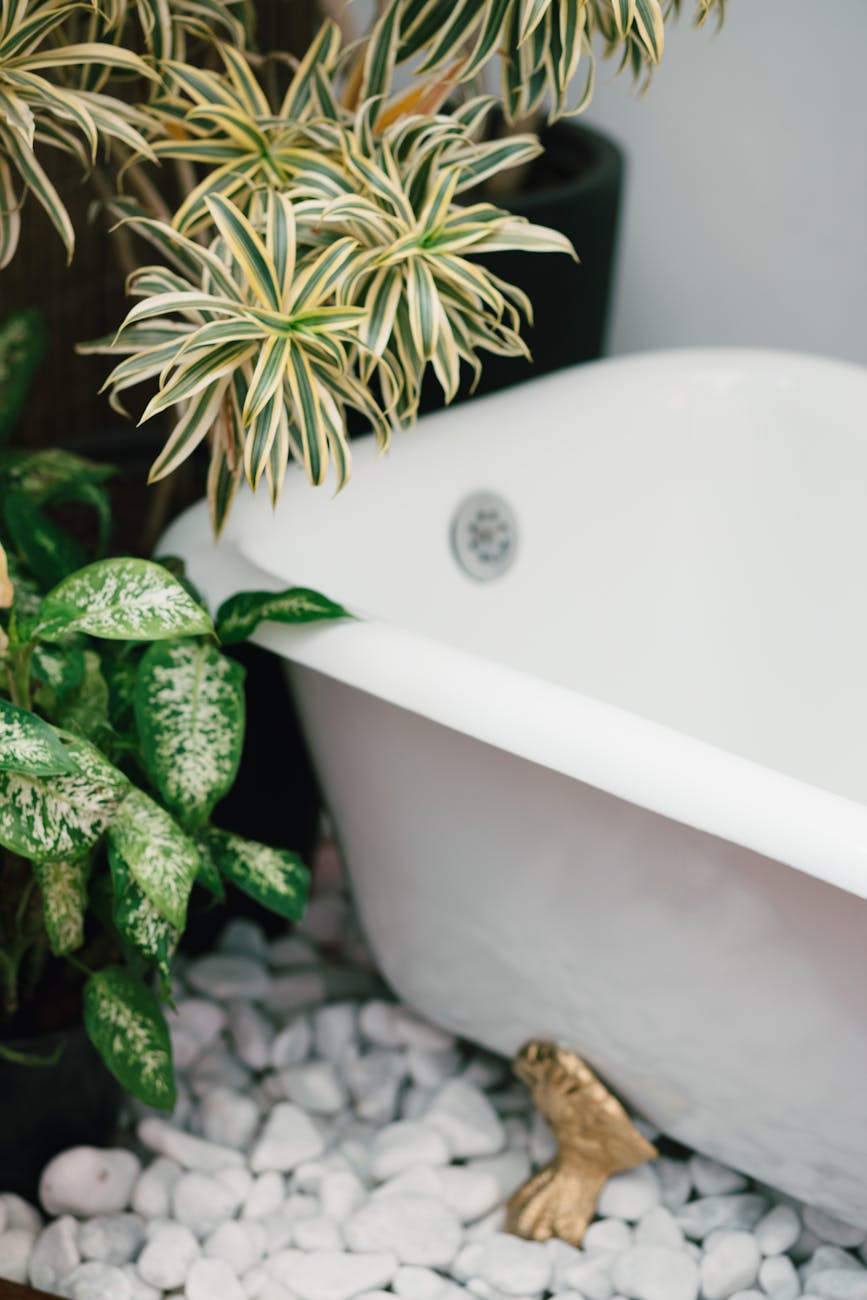
Engineering Serenity: Designing Your Spa Bathroom Decor
The objective when designing a bathroom moves beyond mere functional sanitation; it becomes the cultivation of an immersive sensory experience. We are not simply tiling a room with materials, but engineering an atmosphere where stress dissipates and rejuvenation occurs naturally. Achieving true spa-like tranquility in a bathroom requires a deliberate interplay between tactile elements, visual depth, and organic integration—specifically through strategically deploying greenery and natural stone. This approach transforms a utilitarian space into a private sanctuary, leveraging psychological responses tied to nature.
The Mechanics of Stone Selection for Bathroom Ambiance
Stone acts as the foundational element in establishing the sensory baseline of any spa design. We observe that the geological composition directly influences the perceived coolness or warmth of a space. For a spa aesthetic, prioritizing natural stone introduces an undeniable sense of permanence and organic grounding. Marble, with its inherent veining and cool, smooth surface, functions effectively by absorbing light softly rather than reflecting it harshly, which is crucial for creating a calming visual field. Conversely, slate or honed travertine introduce a more muted, earthy tone that anchors the design in natural materiality.
The selection process demands an understanding of porosity and durability. We analyze how different stone types interact with moisture and temperature fluctuations inherent in a bathroom environment. Porous stones require specific sealing protocols to resist water damage, but this very process enhances their tactile quality, allowing the surface to breathe while maintaining aesthetic integrity. When integrating stone accents—perhaps a feature wall or substantial vanity top—the texture becomes the primary focal point. The subtle variation in grain and the coolness under the hand provide an immediate, grounding connection for the occupant. This physical interaction bypasses purely visual processing, engaging deeper sensory pathways that contribute to the overall feeling of relaxation.
Integrating Greenery: Biophilic Design Principles
Introducing living elements into a bathroom space is not merely decorative; it is applying biophilic design principles to domestic architecture. Humans possess an innate affinity for natural patterns and living systems; therefore, incorporating plants directly addresses this psychological need for connection to the external environment. We see that introducing greenery mitigates the clinical sterility often associated with tile and chrome. The process involves selecting plants whose foliage texture complements the stone and fixture materials without introducing excessive humidity issues that complicate bathroom maintenance.
For optimal results, we must consider light exposure meticulously. Many spa-style environments rely on indirect, diffused illumination; therefore, plant selection should prioritize species that thrive in lower-light conditions while still offering visual complexity. Ferns, eucalyptus varieties, or lush mosses offer the dense, organic texture necessary to contrast the hard, rectilinear lines of bathroom architecture. The verticality of trailing vines softens hard edges, drawing the eye upward and introducing a dynamic, living component where static surfaces previously dominated. This integration shifts the perception of the room from a constructed space to an evolving ecosystem.
Orchestrating Light for Maximum Tranquility
Light is perhaps the most potent tool in manipulating the mood of a bathroom space. Harsh, direct overhead lighting functions as a functional tool but fails spectacularly at achieving a spa atmosphere. The strategy here involves layering illumination rather than relying on a single, aggressive source. We must employ soft, diffused light sources to mimic natural daylight cycles throughout the day.
Layered Lighting for Cozy Home Decoration is essential in this context. By placing accent lights strategically—under vanities, behind stone shelving, or within recessed niches—we create pools of gentle illumination that draw attention to texture and shadow, enhancing depth rather than flattening surfaces. The color temperature of these bulbs must be warm, typically ranging between 2700K and 3000K, to avoid the stark, institutional feel of cooler lighting. This manipulation of light intensity and color actively signals relaxation to the visual cortex, signaling safety and repose. We observe that shadows play a critical role; soft shadows create depth and intimacy, whereas sharp contrasts induce alertness.
Textural Richness: The Tactile Experience
The tactile experience is inseparable from the spa concept. A truly luxurious environment engages more than just sight; it demands physical engagement. This necessitates a deliberate focus on layering various textures to create a rich, complex surface narrative. When pairing smooth, cool stone with organic greenery, the introduction of contrasting materials deepens the sensory appeal considerably.
Layering Textures for a Tactile Cozy Bedroom demonstrates the principle: juxtaposition creates interest. Consider incorporating elements like rough-hewn wood accents for shelving or matte ceramic fixtures alongside polished stone and soft textiles. The contrast between the cold, dense feel of stone and the soft, velvety texture of a linen towel or the delicate, waxy surface of a succulent introduces an engaging tactile dialogue. This layering prevents the space from feeling monolithic; instead, it becomes a place where every touch registers a different sensation—smoothness yielding to grit, coolness giving way to softness.
Synthesizing the Spa Aesthetic
The successful execution of spa bathroom decor relies on the seamless integration of these components: the grounding permanence of stone, the vital energy of greenery, and the enveloping quality of soft, layered light and texture. The mechanism at play is one of sensory harmonization. Stone provides the cool, stable anchor; plants introduce the dynamic, living element; lighting controls the mood by manipulating shadow; and varied textures invite physical exploration.
We are moving away from functional necessities toward curated experiences. When these elements operate in concert, they create a controlled environment where the occupant can intentionally shift their state of mind. The result is a bathroom that functions as an intentional retreat, an oasis achieved not by adding objects, but by mastering the interaction between natural materials and carefully calibrated light. This careful construction elevates the simple act of bathing into a profound exercise in self-care.
Tags: spa bathroom decor, bathroom design, biophilic design, natural bathroom, stone accents, greenery in bathroom, cozy home
Featured Image by Elizabeth Ferreira on Pexels.