
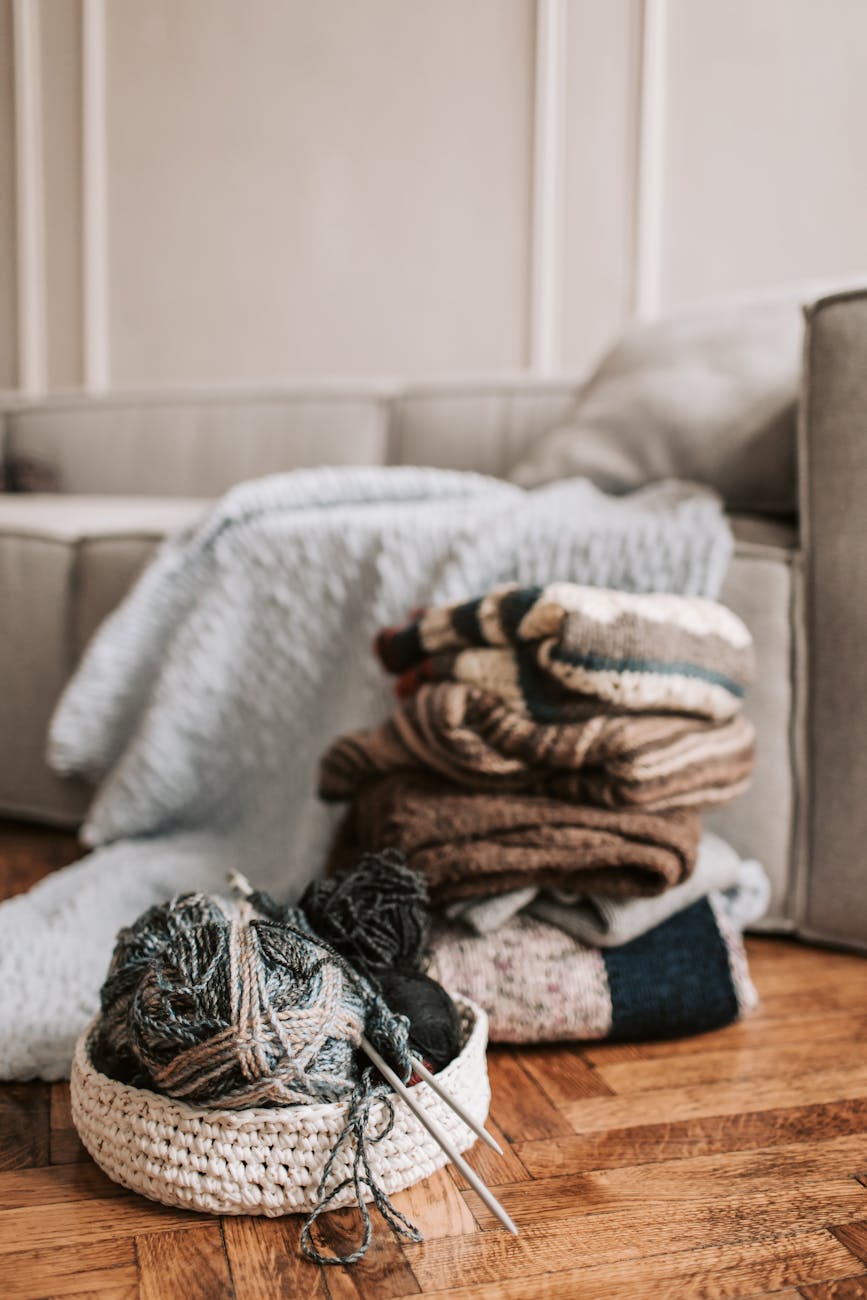
The Science of Tactility: Engineering Warmth Through Textile Layering
We often associate coziness with a single plush throw blanket, but true, deep-seated comfort in a living space arises from the strategic interaction of various textile surfaces. This is not mere aesthetic choice; it is an exercise in thermal regulation and visual depth perception. We observe from the data that introducing varied tactile elements manipulates how our brains process an environment, creating an immediate sensation of sanctuary. Mastering cozy living room textiles means understanding how different fibers absorb light, trap air, and engage our sense of touch simultaneously.
How Texture Dictates Perceived Warmth
The mechanism by which textiles influence perceived warmth is fundamentally related to surface density and the resulting micro-air pockets they create. A flat, smooth surface reflects light evenly, suggesting coolness, whereas a highly textured surface creates microscopic valleys and peaks that interact dynamically with ambient light, producing shadows and highlights that our visual system interprets as depth and, consequently, warmth. Think about the difference between a flat cotton surface and a chunky, hand-knitted wool throw; the latter’s uneven topography traps more air, slowing the rate of heat transfer from the room to your skin, mimicking the insulating properties of natural materials.
We find that rougher textures signal greater insulation. Wool fibers possess a superior ability to trap air within their structure, creating an excellent thermal barrier against external cold, which is why wool remains the gold standard for winter textiles. Conversely, velvets and dense chenilles absorb more light, deepening the visual richness of the space while simultaneously offering a soft, enveloping surface that feels inherently warm to the touch. Understanding this relationship allows us to select materials based on their physical properties rather than just their appearance.
Deconstructing Fiber Properties: Knits, Velvets, and Wools
When curating your textile collection for ultimate coziness, we must analyze the underlying fiber composition. Each material dictates a unique thermal and sensory experience.
The Role of Knitted Textiles
Knits introduce an inherent three-dimensional structure to any space. The interlocking loops of yarn create an intricate network that traps air more effectively than woven fabrics, establishing pockets of insulation throughout the material itself. A heavy cable knit sweater or a thick, looped throw leverages this principle perfectly. This structural complexity makes these pieces inherently tactile anchors for a room. When setting up a space, consider how a large knit piece can define a seating area, providing visual weight and physical enclosure simultaneously. For those designing smaller areas, integrating substantial knit elements, such as in the context of a Beginner’s Guide to a Cozy Reading Nook in Small Spaces, creates an immediate sense of enveloping security.
The Depth of Velvets and Suede
Velvets excel at manipulating light; their pile density causes light to scatter unevenly across the surface, creating rich, deep shadows that enhance the perceived luxury. This visual depth contributes significantly to a feeling of opulent coziness. While visually stunning, it is important to note that the actual thermal insulation capacity varies based on the backing material. In practice, using velvet for decorative accents alongside a heavier wool base achieves maximum textural impact without compromising overall room temperature control.
The Insulation Power of Wool
Wool is perhaps the most effective natural insulator in textile design. Its crimp structure naturally creates microscopic air pockets that resist thermal conduction effectively. When selecting cozy living room textiles, prioritizing high-quality wool ensures that the warmth generated inside the home is retained within the space, rather than escaping through the fabric itself. We see this effect most clearly when layering: a wool throw placed over a linen surface acts as a dynamic thermal intermediary.
The Art of Layering for Maximal Impact
The magic of creating truly cozy living room textiles lies not in selecting one perfect item, but in executing intentional layering. This process involves stacking materials with differing textures and weights to create tactile zones within the environment. We are building sensory experiences by introducing friction points between different material types.
When layering, we establish visual hierarchy. A smooth, cool surface (perhaps a polished wood floor or a tightly woven linen sofa) provides a calm baseline. Upon this base, we introduce high-texture elements—a chunky knit blanket or a deep velvet cushion. This juxtaposition prevents the space from feeling flat and instead invites physical engagement. Imagine draping a heavy, soft wool throw over a sleek leather sofa; the contrast between the matte, dense wool and the smooth, cool hide amplifies the perceived softness of both materials.
This layering technique directly impacts how we utilize small spaces. Because these layered elements provide intense sensory focus, they naturally draw attention inward, making a smaller area feel intentionally curated and cozy, rather than simply cramped. This strategic use of texture helps psychologically expand the perceived volume of a room. Consider this when thinking about Small Apartment Decorating Tips: Make Your Space Feel Bigger; rich layering acts as an internal design mechanism that offsets spatial limitations by maximizing experiential richness.
Material Synergy and Maintenance Considerations
The selection process must account for material synergy. Mixing fibers requires attention to longevity and care because the maintenance protocols differ significantly. Synthetic blends offer durability but often lack the deep, natural thermal performance of pure wool or alpaca. Natural fibers require specific washing techniques to maintain their loft and softness over time.
We observe that textiles used in high-contact areas benefit from robust construction; seams should be flat, and stitching tight, especially when dealing with heavy knits. When selecting your core cozy living room textiles, analyze the intended use—is it for heavy daily wear or purely decorative display? If it is for sustained comfort, prioritize materials known for their resilient structure, such as high-density wool blends or quality, tightly woven cottons.
The investment in superior texture translates directly into long-term sensory return. You are not just purchasing fabric; you are engineering an environment where physical comfort is prioritized through intelligent material selection and strategic layering techniques. The resulting space becomes a deliberate refuge, optimized for warmth, visual depth, and profound tactile satisfaction.
Tags: textile layering, cozy decor, living room fabrics, home textiles, texture mixing, cozy home, interior design
Featured Image by Vlada Karpovich on Pexels.