
The Physics of Comfort: Deconstructing Texture Layering Home Decor
We observe from the data that true coziness in a space is not achieved through singular, isolated items, but through the deliberate manipulation of surface interaction. Mastering layering textures home decor involves understanding how different tactile materials physically influence the perceived warmth and visual depth of an environment. This process moves beyond simple decoration; it becomes an exercise in sensory engineering. We are essentially controlling how light reflects, how sound is absorbed, and how our tactile senses register presence within a room.
Understanding Tactile Perception and Visual Depth
The human visual system processes texture as a complex interplay of shadow, light diffusion, and surface topography. Smooth, high-gloss surfaces tend to reflect light sharply, creating highlights that can feel cool or sterile. Conversely, materials with deep, irregular surfaces—like the slub in a linen or the uneven weave of a chunky knit—create micro-shadows. These shadows are crucial; they introduce visual complexity that tricks the eye into perceiving depth and softness where none physically exists on a flat plane.
When we layer different material types, we engage this visual mechanism directly. Imagine placing a smooth velvet cushion atop a heavily textured wool throw. The velvet provides a deep, light-absorbing foundation, while the wool introduces a rich, uneven surface that catches ambient light in myriad directions. This juxtaposition prevents the space from feeling monolithic. It forces the eye to move across the surface, engaging multiple visual planes simultaneously. Our analysis suggests that this multi-plane interaction is what generates the feeling of enveloping comfort.
Material Science in Cozy Design: Knits, Velvets, and Linens
The selection of materials dictates the physical response of the space. Each fiber possesses unique properties regarding light transmission and thermal insulation. For instance, natural fibers like wool and cotton possess excellent thermal inertia; they resist rapid temperature shifts, which is essential for maintaining a perceived sense of warmth. Synthetic options, while sometimes more affordable or easier to clean, often lack this inherent softness and thermal buffering capacity unless specifically engineered.
Velvets excel in light absorption. Their dense pile traps light, creating areas of deep shadow that deepen the mood of a room instantly. When used as a focal point—perhaps on an accent chair or a heavy curtain panel—they anchor the visual experience with richness. Knits introduce the essential element of tactile softness. The interplay between the raised loops and the resulting shadows creates an immediate invitation to touch, even when only visually perceived. Linens offer a middle ground; their breathable weave allows air circulation while still providing a soft drape that signals comfort and ease.
Establishing Layering Strategies for Maximum Impact
Effective texture layering requires strategic placement rather than random scattering. We must consider the scale and density of the materials being introduced. A common analytical mistake is applying high-texture elements uniformly across an entire surface, which overwhelms the visual field and diminishes the impact of each layer. Instead, we focus on focal points.
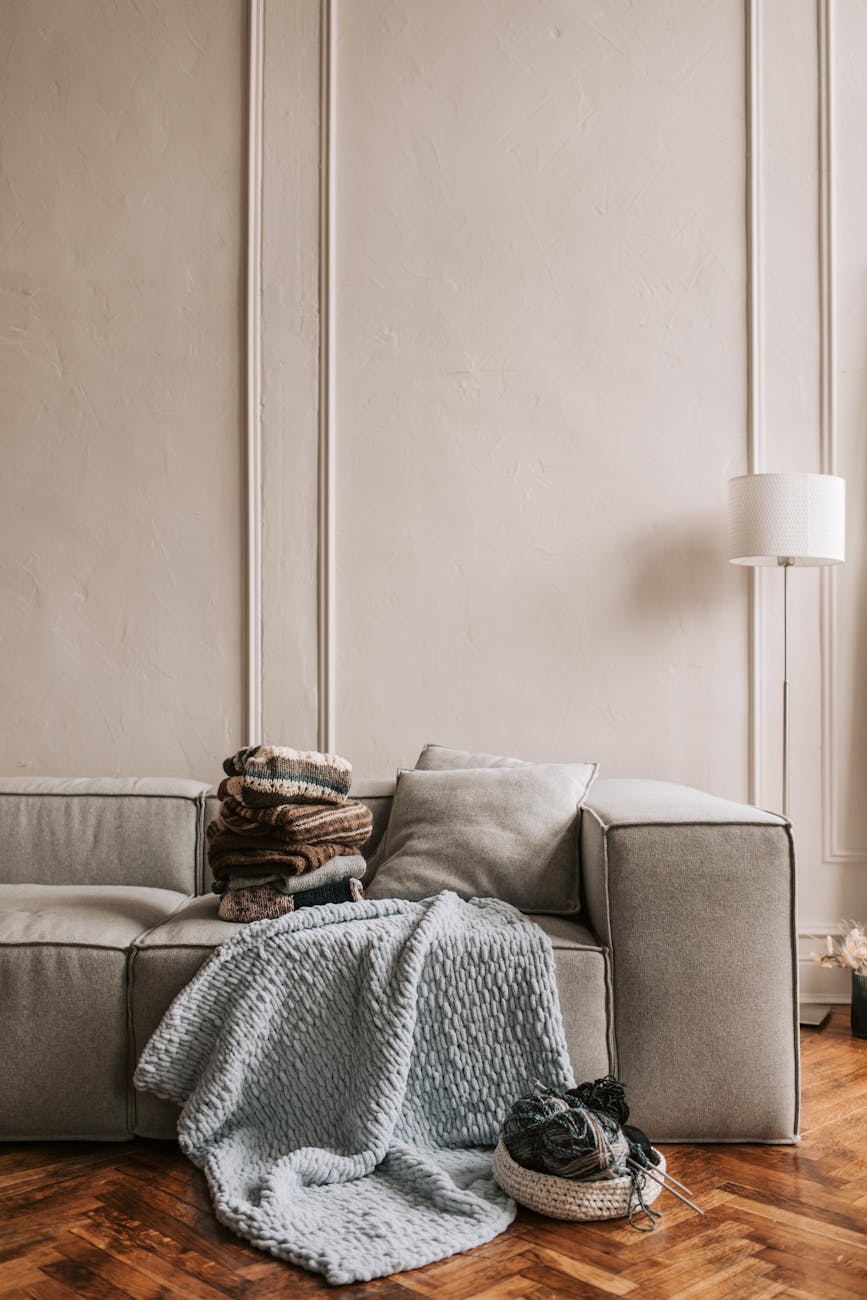
Consider a sofa setup. Instead of draping several thin pillows, experiment with combining one large, deeply textured throw blanket—perhaps a chunky knit—with two smaller accent cushions made of contrasting materials, such as smooth velvet or crisp linen. This approach uses the heavy texture to establish the foundational warmth and the lighter textures to introduce subtle variations in touch and light reflection.
For textiles used on walls or window treatments, density is paramount. A sheer linen hung against a heavier velvet drape creates an interesting tension between transparency and opacity. This dynamic interplay manipulates how light filters into the room throughout the day. When considering ambiance, understanding this filtering effect becomes crucial; it directly impacts the overall mood you are trying to engineer.
Integrating Textures Across Room Elements
The principle of layering extends beyond soft furnishings into architectural elements. Walls, floors, and even decorative objects contribute significantly to the textural narrative of a space. If your flooring is hard, consider introducing a large area rug made of a deep-pile wool or a high-texture jute to immediately soften the visual plane beneathfoot. This grounds the room and introduces an immediate tactile connection to the floor.
When styling a kitchen, for example, the surfaces can be starkly different. Incorporating soft, matte ceramic canisters alongside natural wood cutting boards creates a textural dialogue between the cool, smooth, hard surfaces and the warm, organic materials. This intentional contrast elevates the entire scene, moving it from functional to inviting. For those focusing on kitchen warmth, examining how you style your space can be incredibly rewarding; think about styling your kitchen for warmth (see Cozy Pantry Decor: Styling Your Kitchen for Warmth).
The Role of Light and Shadow in Texture Amplification
Light acts as the catalyst for texture layering. Direct, harsh lighting tends to flatten surface details, negating the effect of any subtle weave or pile. To truly appreciate the depth created by your chosen materials, you need light sources that interact with the surfaces obliquely. Ambient lighting is superior to direct overhead illumination in achieving a cozy aesthetic.
Consider the effect of warm-toned light—incandescent or warm LED bulbs—on richly woven fabrics. The warmer spectrum enhances the inherent golden and reddish tones within wools and velvets, amplifying their perceived depth and richness. When you introduce soft, diffused light, the shadows created by texture become deeper and more pronounced. This interplay between illumination and surface structure is what solidifies the feeling of enveloping comfort.
We find that controlling the light environment directly impacts mood regulation. For instance, setting up soft, warm glows around your seating areas encourages a slower pace and a greater sense of enclosure. Examining bedroom lighting secrets (see Bedroom Lighting Secrets: Creating Cozy Ambiance with Warm Glows) illustrates this principle perfectly: carefully positioned, low-level light allows shadows to play across soft surfaces, enhancing the tactile experience of the space immediately.
Practical Application: Building Your Texture Palette
Developing an effective texture palette is a systematic process of selection and integration. Start by identifying the primary feeling you want to evoke—is it rustic comfort, luxurious softness, or earthy coziness? This initial determination narrows the field considerably. We observe that sticking to a core set of complementary textures works better than introducing disparate elements randomly.
A successful layering strategy often involves three main textural families: soft and deep (velvets, heavy knits), soft and light (linens, fine cottons), and organic and matte (wood, stone, matte ceramics). Mix these categories intentionally across different zones of the room. For example, in a living area, utilize a heavy, matte wool rug as the base layer, introduce a velvet throw for deep visual absorption, and finish with crisp linen pillows for airy contrast.
The process demands experimentation. You must physically touch the materials before committing to placement. The feel of the fabric against your skin provides immediate feedback on its weight, drape, and warmth retention. This tactile assessment is the final, most critical step in mastering layering textures home decor. We are not just decorating; we are designing sensory experiences that invite repose. By understanding the physics behind how light and touch interact with fiber, we gain the ability to construct spaces where coziness is not merely an aesthetic choice, but a measurable, tangible reality.
Tags: texture layering, cozy home decor, home textiles, decorating tips, material mixing, cozy aesthetic, interior design
Featured Image by Vlada Karpovich on Pexels.