
The Mechanics of Visual Warmth Through Textile Layering
We observe a fundamental principle governing interior design: visual warmth is not achieved through singular focal points, but through the calculated interaction of multiple textural elements. Mastering the art of layering textiles is essentially manipulating light and shadow across a space to induce a sense of enveloping comfort. This process moves beyond simple decoration; it becomes an exercise in spatial psychology, where the tactile experience dictates the perceived ambiance more effectively than any single piece of furniture.
The effectiveness of textile layering resides in creating depth. When surfaces are juxtaposed—a plush velvet throw over a woven jute rug, for instance—the eye perceives recession and proximity simultaneously. This creates a three-dimensional effect on a two-dimensional plane, transforming an otherwise flat expanse into a rich, tactile environment. We are not just placing objects; we are engineering sensory input.
Establishing the Foundation: The Role of Area Rugs
The foundational layer in this system is almost always the area rug. Its function extends beyond defining a physical space; it establishes the thermal and visual anchor for the entire zone. A rug dictates the scale of the room and sets the baseline tone against which all subsequent textiles will interact. Consider the material science involved here: high-pile wools absorb ambient light differently than low-pile synthetics, affecting how light reflects off the floor plane.
If you are aiming for a deep sense of coziness, selecting a rug with substantial depth is crucial. A dense, thick rug traps air and absorbs sound, contributing directly to an auditory sense of calm. We find that heavier materials inherently signal permanence and comfort. For instance, anchoring a living area with a substantial rug immediately shifts the perceived formality toward relaxed indulgence.
Mid-Layer Dynamics: Introducing Texture and Tone
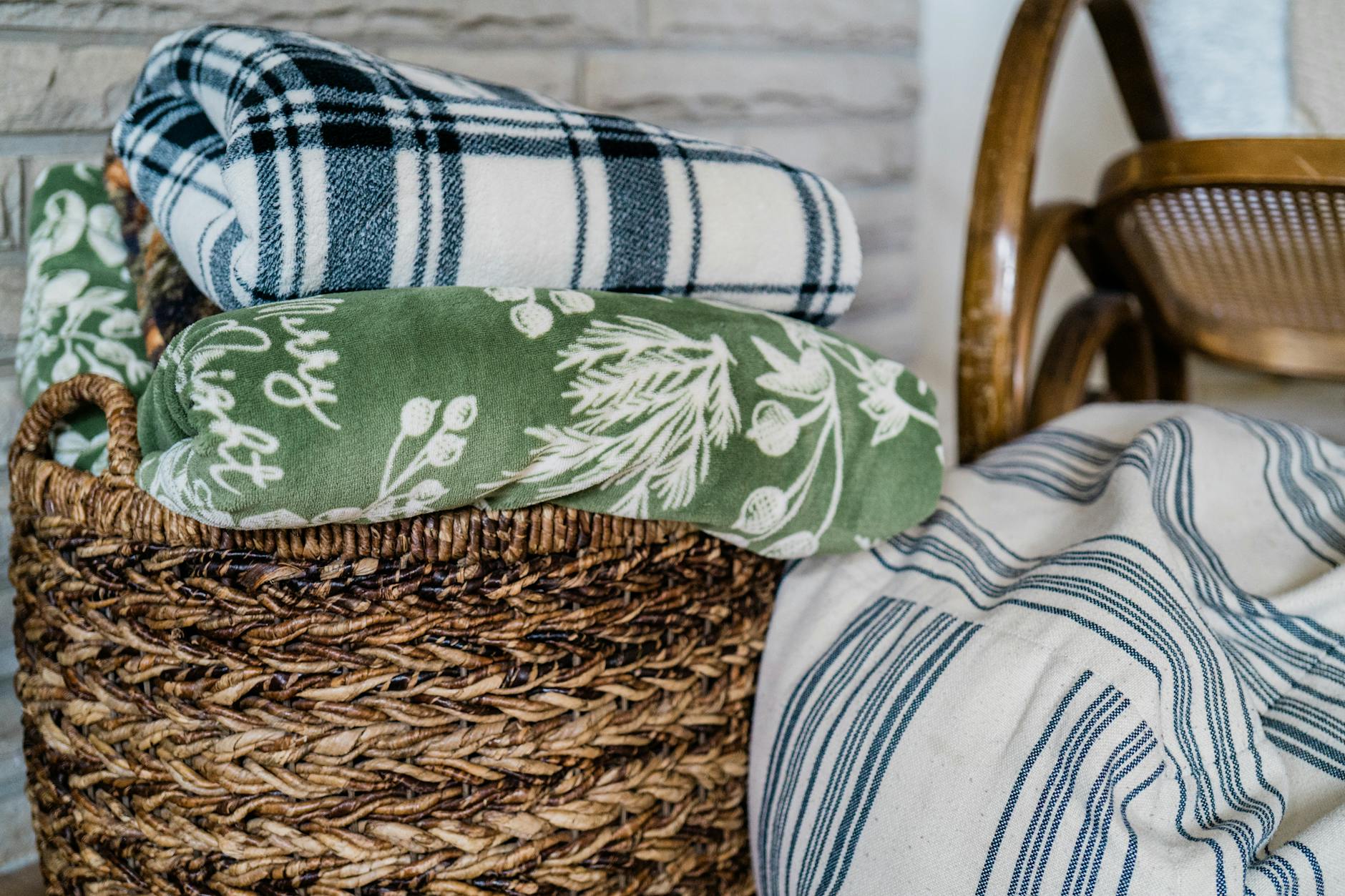
Once the foundation is set by the rug, the mid-layer introduces the primary textural complexity. This is where the strategic combination of throws and accent rugs occurs. The principle here is contrast; juxtaposing materials with differing tactile qualities heightens their individual appeal. Think about layering a smooth linen throw over a chunky knit blanket. The difference in surface texture creates visual friction that stimulates engagement.
Tone selection plays an equally critical role in this mechanism. We see patterns and colors interact differently depending on the base tone beneath them. If we are exploring deep, enveloping palettes, incorporating rich jewel tones allows these colors to absorb light more deeply, enhancing the mood. For instance, using deep emerald or sapphire as a base facilitates the creation of profoundly moody cozy spaces, where shadows feel intentional rather than accidental (see Deep Jewel Tones for Luxurious & Moody Cozy Spaces). This chromatic depth works synergistically with textural depth to amplify the feeling of sanctuary.
The Finishing Touch: Pillows and Accent Pieces
Pillows serve as the final, highly customizable layer, introducing softness and focal points at human scale. Their placement dictates conversational flow and visual hierarchy within the seating arrangement. A coordinated arrangement signals intentionality; a mismatched one suggests casual ease. We analyze how the size and fill of the pillows interact with the surrounding textiles. Oversized, deeply stuffed cushions act as soft anchors, drawing the eye inward.
When layering, we must consider scale relationships. A large, oversized throw draped over an armchair should be balanced by smaller, more defined accent pillows nestled against the sofa frame. This interplay manages visual weight effectively. The density of the filling—whether down, silk, or heavy cotton—modulates the perceived softness. High-loft materials introduce significant volume, creating a palpable sense of plushness that invites physical interaction.
Achieving Cohesion Through Material Science
The success of **layering textiles cozy home decor** hinges on understanding material behavior under light and touch. We are dealing with how fibers interact with ambient light reflection and thermal insulation. Natural fibers like wool and linen possess excellent breathability and a soft hand, naturally contributing to a warm sensory experience. Conversely, heavier synthetic blends or tightly woven materials manage light differently, creating sharper shadow lines that can introduce visual tension if not managed carefully.
In practice, achieving seamless coziness requires consistency in the overall tactile narrative. If one introduces highly textured wools, the other textiles should complement that richness rather than compete with it. We must analyze the interplay between sheen and matte surfaces. A matte cotton throw absorbs light softly, promoting calm, while a lightly brushed velvet reflects light subtly, introducing depth without harshness.
Spatial Optimization: Handling Smaller Spaces
The principles of layering remain equally potent in constrained environments. When square footage is limited, textile manipulation becomes an exercise in verticality and strategic placement to maximize perceived space. For apartments or smaller rooms, utilizing textiles to draw the eye upward and define zones is essential. This is where thoughtful storage solutions become integrated into the aesthetic strategy.
For example, using vertically oriented textiles, such as floor-to-ceiling drapery or strategically placed shelving units adorned with soft textiles, exploits vertical space without sacrificing the cozy density of the design. We observe that effective use of verticality helps mitigate the feeling of enclosure. Integrating smart storage techniques, like utilizing Vertical Magic: Cozy Storage for Tiny Apartments solutions, allows textiles to define boundaries while maintaining an open visual flow. The textile acts as a soft delimiter, defining a cozy nook without physically obstructing the view.
The calculated deployment of these elements transforms simple furnishings into an immersive environment. It is through this deliberate arrangement that we engineer environments where comfort is not merely felt, but visibly articulated by the interplay of woven fibers and ambient light.
Tags: textile layering, cozy decor, living room design, home textiles, texture in decor, warm home, decor tips
Featured Image by Jessica Lewis 🦋 thepaintedsquare on Pexels.